Pule Temple, Buddhist temple in Chengde, China
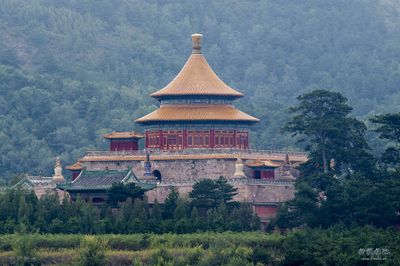
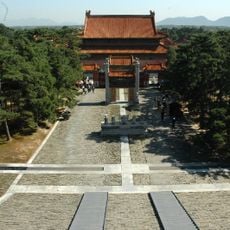
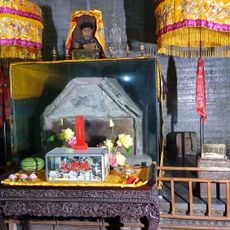
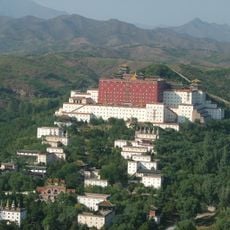
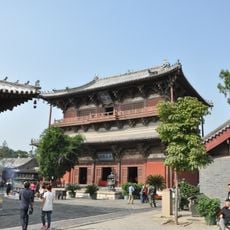
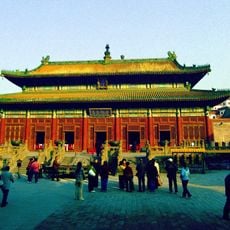
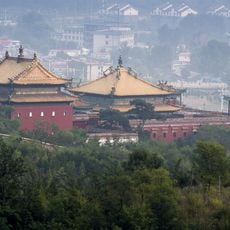
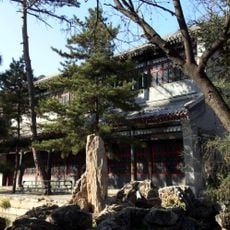
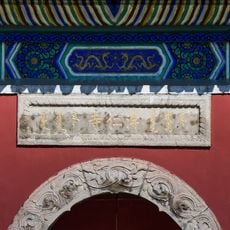
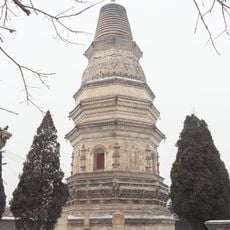
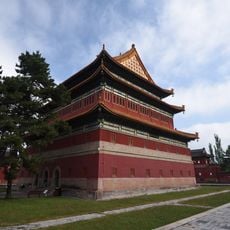
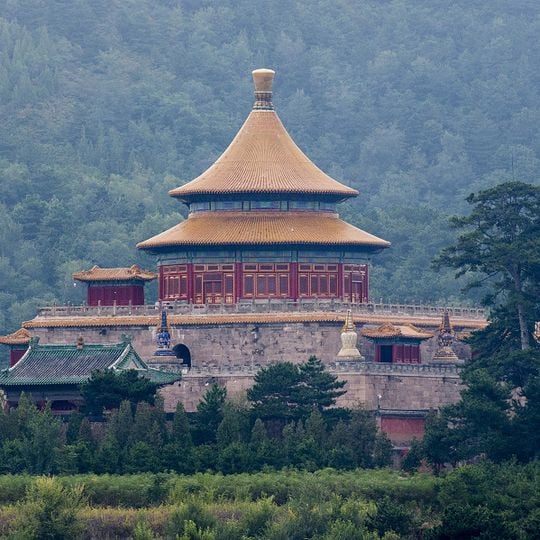
Pule Temple is a large complex in Chengde combining traditional Chinese buildings in the front with Tibetan architectural style in the rear. The back section features a notable round pavilion decorated with mandala patterns that reflect Buddhist spiritual symbolism.
Emperor Qianlong ordered the temple built in 1766 to welcome envoys from western ethnic minority regions into Chengde. This construction reflected the era when the city served as a diplomatic meeting place for relations with distant territories.
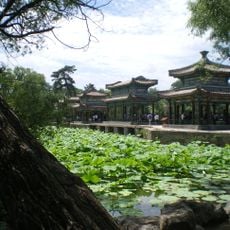
The complex demonstrates how different building traditions came together in one place, mixing Chinese design with Tibetan influences that visitors notice immediately. Walking through shows how these two styles actually worked side by side rather than competing.
The temple sits in a quiet area of the city and is straightforward to navigate, with clear pathways throughout all sections of the complex. Visitors should wear comfortable shoes since there are steps and uneven surfaces, especially along the route to the raised pavilions.
The round pavilion at the back closely follows the design of the Hall of Prayer for Good Harvests from the Temple of Heaven in Beijing. This architectural reference reveals how imperial structures across different cities shared design ideas and symbolic meanings.
The community of curious travelers
AroundUs brings together thousands of curated places, local tips, and hidden gems, enriched daily by 91,684 contributors worldwide.