Oberlausitzer Heide - und Teichlandschaft Biosphere Reserve, Biosphere reserve in Saxony, Germany
The Oberlausitzer Heide- and Teichlandschaft is a biosphere reserve in eastern Saxony spanning eleven municipalities. The landscape contains thousands of ponds, wetlands, heathlands, and forests that form a complex ecosystem.
German farmers settling in the Slavic area dug the first ponds in the 13th century; most of the more than 350 ponds were reshaped in the 16th century. The area was protected as a landscape reserve and, from 1994, as a biosphere reserve. UNESCO recognition followed on 21 September 1998, two years after the reserve joined Germany's list in 1996.
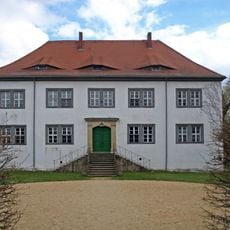
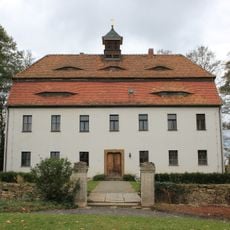
The reserve lies in the bilingual Upper Lusatia region, and its Sorbian name is Hornjołužiska hola a haty. Carp farming in the artificial ponds has a long tradition, and beekeeping and tree-beekeeping (Zeidlerei) are also long-established here. Villages such as Wartha (Stróža) house the reserve administration in the "House of a Thousand Ponds".
Visitors explore the reserve on marked trails and can visit information centers like the House of a Thousand Ponds. These facilities offer guided walks and background information about the area's natural history.
The reserve's roughly 350 ponds are almost all artificial, dug from the 13th century onward and grouped into 39 complexes linked by ditches, weirs and pipes. The administration and information centre sit in the "House of a Thousand Ponds" in Wartha (Stróža).
The community of curious travelers
AroundUs brings together thousands of curated places, local tips, and hidden gems, enriched daily by 94,971 contributors worldwide.