See the monuments around you in AROpen chests in the app
Around Us is built for your phone — point your camera at the streets and discover the monuments and places around you in augmented reality.Around Us is built for your phone — chests unlock when you walk, explore and capture nearby places.
Saxony holds numerous destinations beyond the usual tourist routes. The region contains medieval castles, expansive natural landscapes and technical monuments from different centuries. The Saxon Switzerland area with its Bastei Bridge and sandstone formations attracts hikers, while the Albrechtsburg in Meißen and Königstein Fortress display historic architecture. Castles such as Kriebstein, Moritzburg and Weesenstein document various periods of German building tradition.
The Ore Mountains house technical museums including the Frohnauer Hammer and Seiffen Toy Museum, which provide insight into traditional craftsmanship. The Glashütte Watch Museum presents the development of German watchmaking. The Göltzschtal Bridge in Vogtland demonstrates 19th century engineering. Natural areas like the Upper Lusatian Heath and Pond Landscape and smaller destinations such as Tiefenbach Waterfall round out the offerings. Dresden provides not only the Zwinger but also Pillnitz Palace and the Blue Wonder Bridge.
Saxony holds numerous destinations beyond the usual tourist routes. The region contains medieval castles, expansive natural landscapes and technical monuments from different centuries. The Saxon Switzerland area with its Bastei Bridge and sandstone formations attracts hikers, while the Albrechtsburg in Meißen and Königstein Fortress display historic architecture. Castles such as Kriebstein, Moritzburg and Weesenstein document various periods of German building tradition.
The Ore Mountains house technical museums including the Frohnauer Hammer and Seiffen Toy Museum, which provide insight into traditional craftsmanship. The Glashütte Watch Museum presents the development of German watchmaking. The Göltzschtal Bridge in Vogtland demonstrates 19th century engineering. Natural areas like the Upper Lusatian Heath and Pond Landscape and smaller destinations such as Tiefenbach Waterfall round out the offerings. Dresden provides not only the Zwinger but also Pillnitz Palace and the Blue Wonder Bridge.
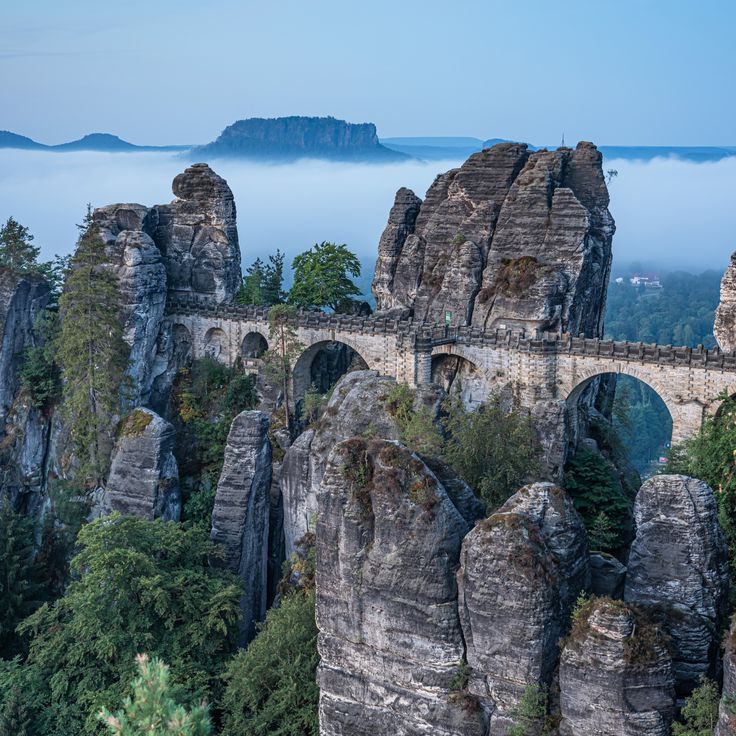
This sandstone bridge connects several rock formations above the Elbe Valley in Saxon Switzerland National Park and provides access to viewpoints over the forested valleys and table mountains of the region, representing one of the remote destinations in Saxony away from major tourist routes.
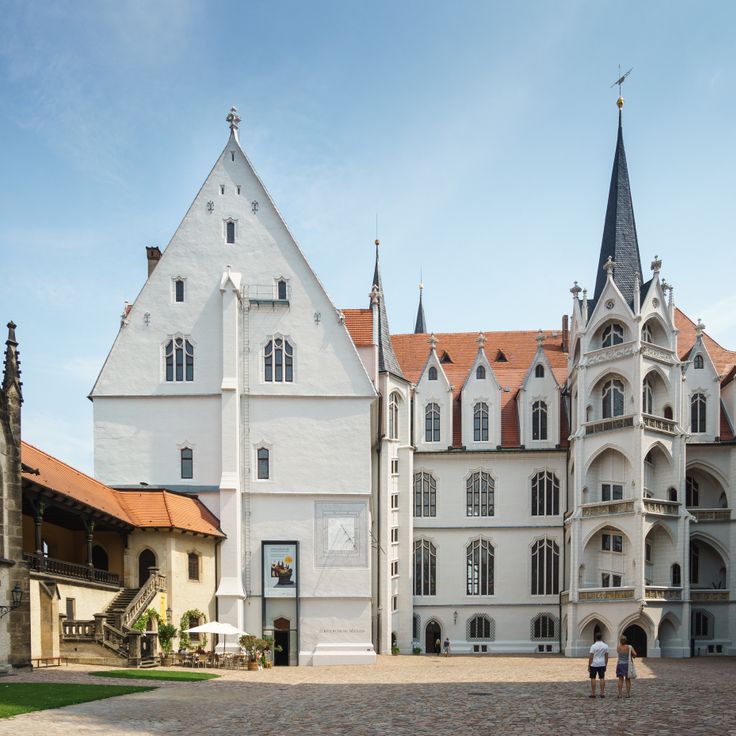
The Albrechtsburg in Meissen was built in the 15th century as Germany's first palace and served as the residence of Saxon dukes. This Gothic structure rises above the old town and the Elbe Valley and displays late Gothic architecture with cellular vaults and curtain arch windows. The castle housed Europe's first porcelain manufactory from 1710 until production moved into the town. Today exhibitions document the history of the structure and its use over five centuries.
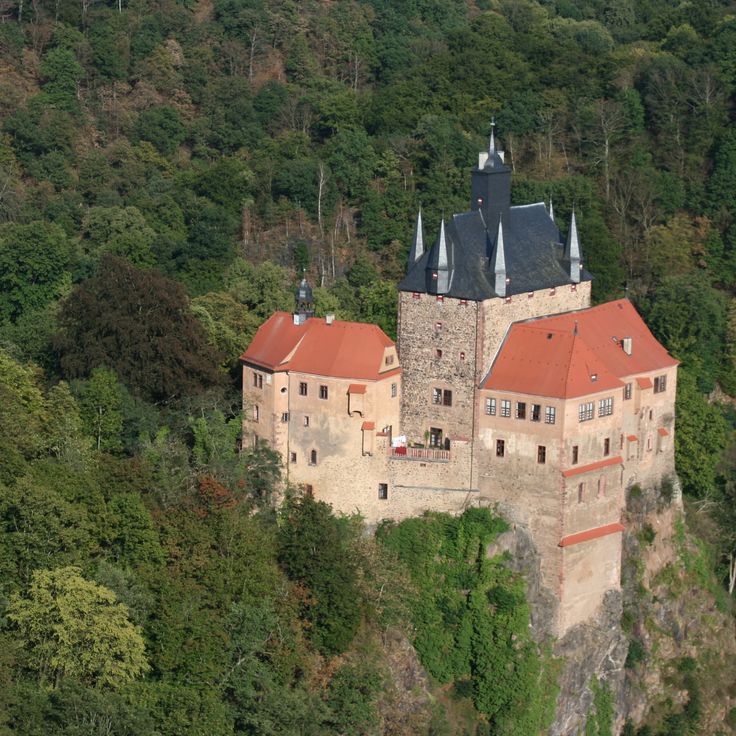
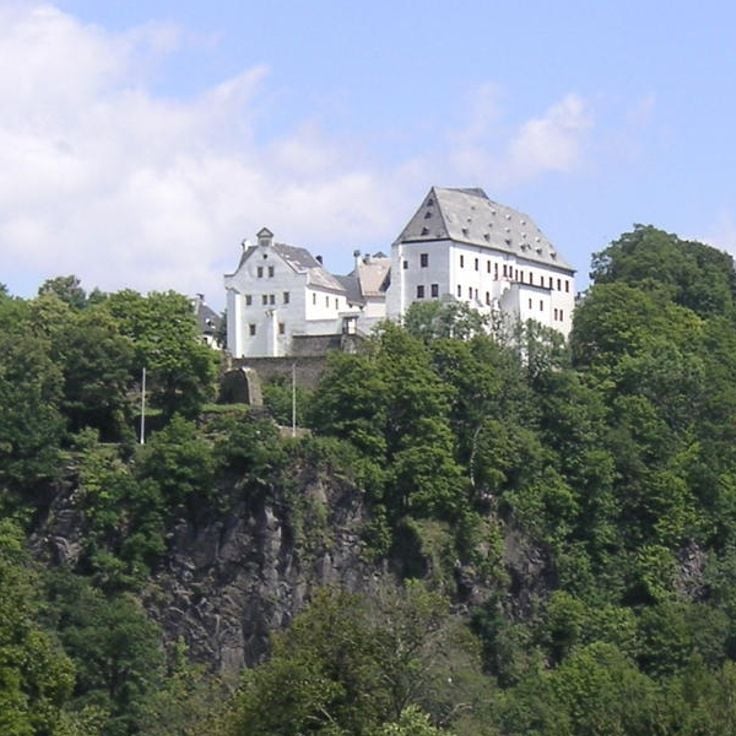
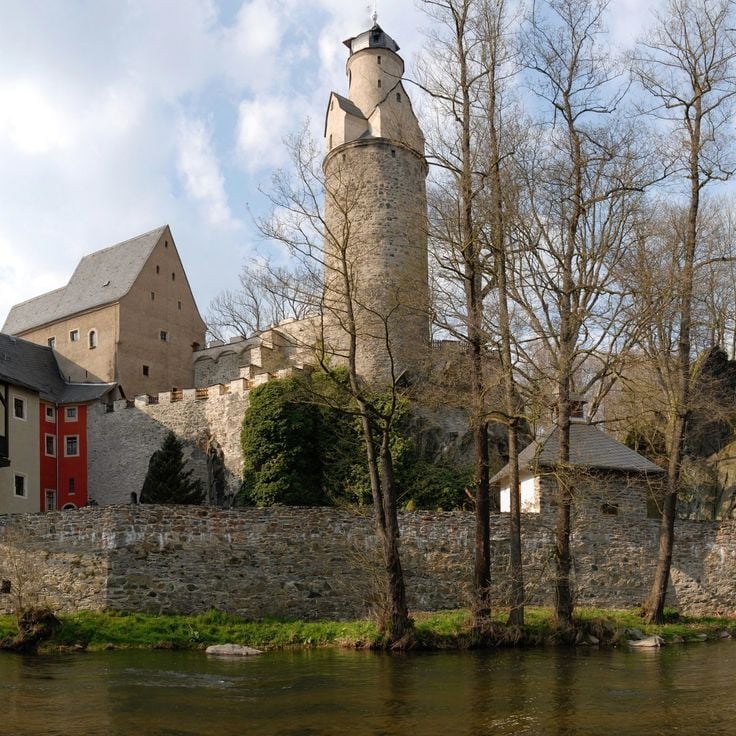
This fourteenth century castle stands on a rock 150 feet above the Zschopau River and ranks among the remote destinations in Saxony. The structure shows medieval architecture with towers, defensive walls and residential buildings from different periods. Visitors find interior rooms with historical furniture, paintings and weapons. The location above the river offers views across the forested valley and surrounding villages.
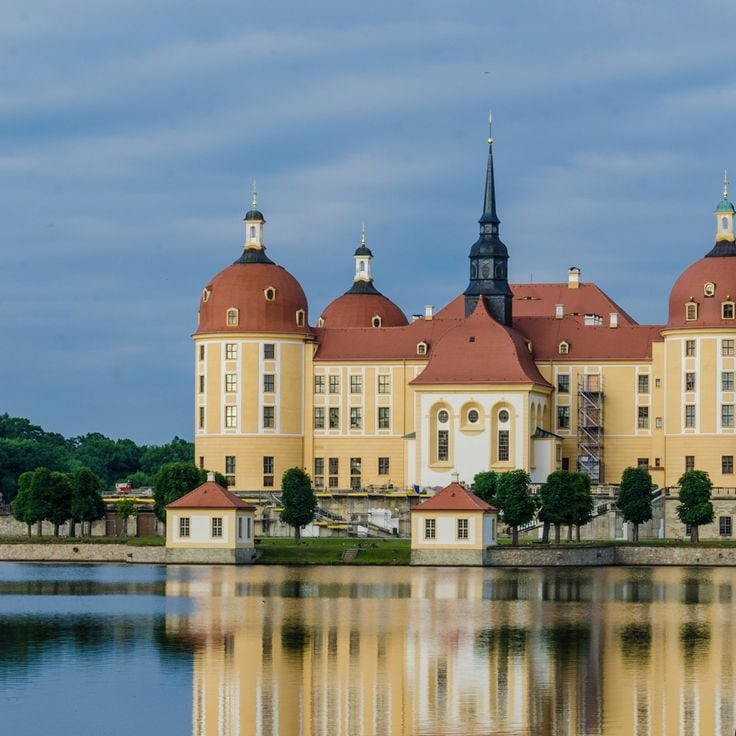
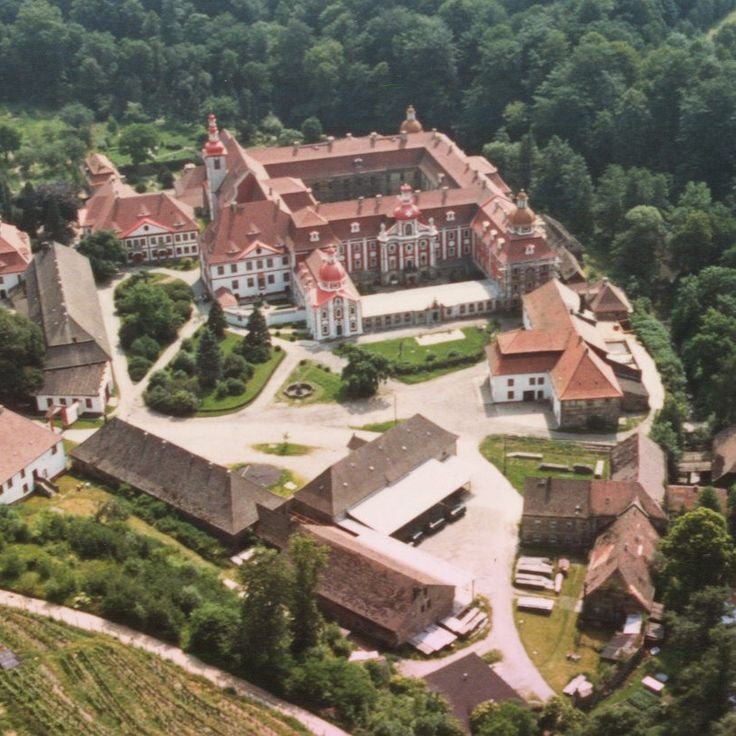
This 16th-century Baroque hunting lodge stands on an artificial island northwest of Dresden and contains extensive collections of historical hunting trophies, porcelain and gilded leather wall coverings. Moritzburg Castle served Saxon electors as a hunting residence and was expanded to its current form under Augustus the Strong.
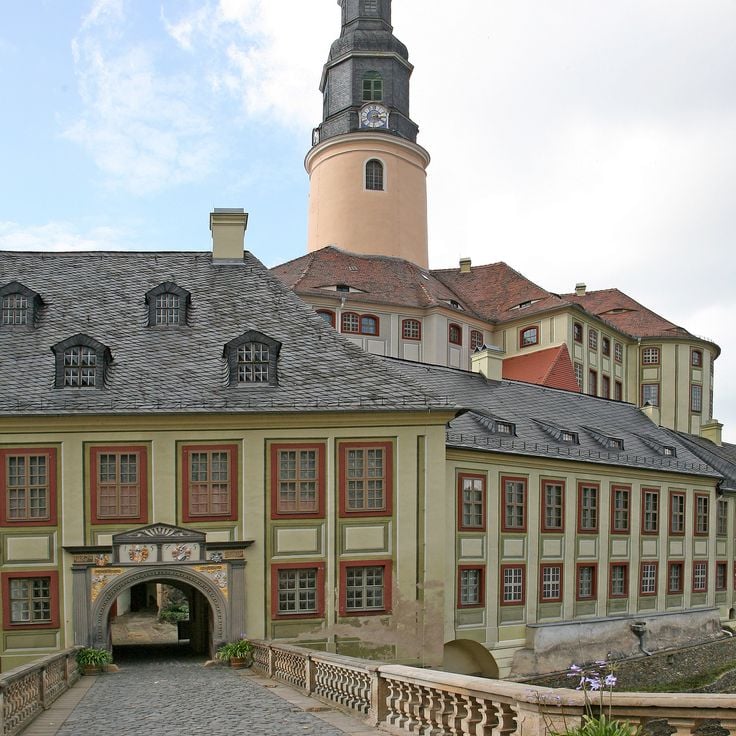
This castle combines eight centuries of architectural development and illustrates the evolving history of the Saxon region beyond the main tourist routes. Built as a 13th century fortress, the complex was transformed over successive periods into a castle incorporating Gothic, Baroque and Neoclassical elements. A terraced garden follows the Müglitz river along the estate and provides views across the valley.
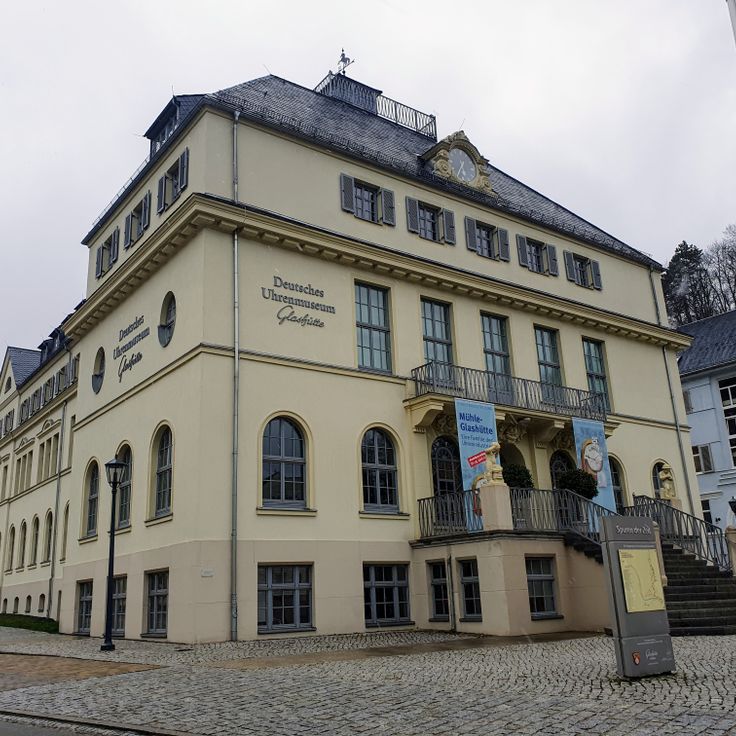
This museum documents the development of German watchmaking in Glashütte since 1845 and displays historical timepieces, tools and documents from over 175 years of regional craftsmanship. The exhibition presents technical innovations and the working methods of the manufactories that made Glashütte a major center of precision mechanics. The museum occupies the historic building of Germany's first watchmaking school and provides insights into the construction, production and restoration of mechanical watches. The collection includes precision timepieces, marine chronometers and pocket watches from various periods of Saxony's watch industry.
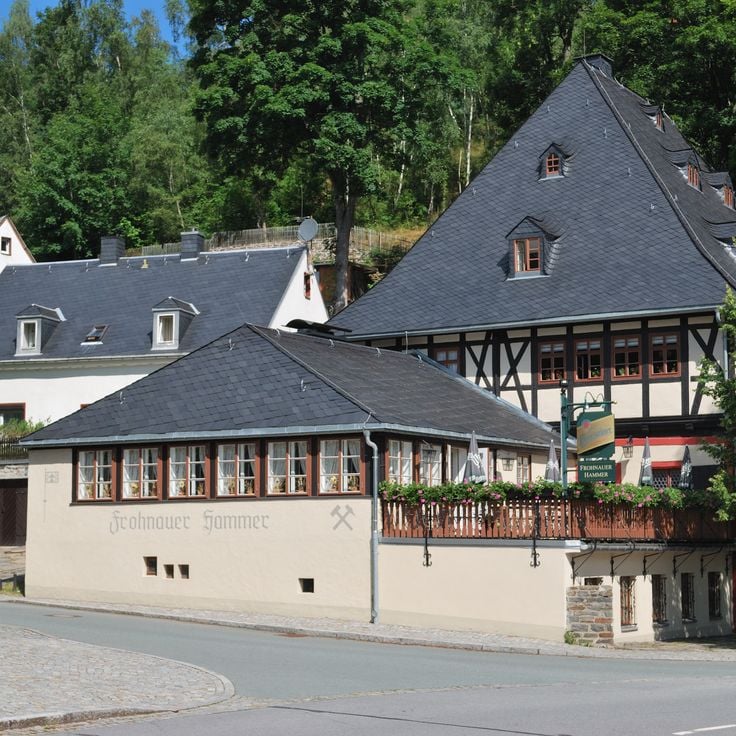
This 16th century hammer mill in the Ore Mountains demonstrates functional forging techniques from the Saxon mining era. The water-powered facility showcases historical metal processing with preserved hammers and tools. The technical monument documents the region's craft tradition and offers demonstrations of traditional blacksmithing away from typical tourist routes in Saxony.
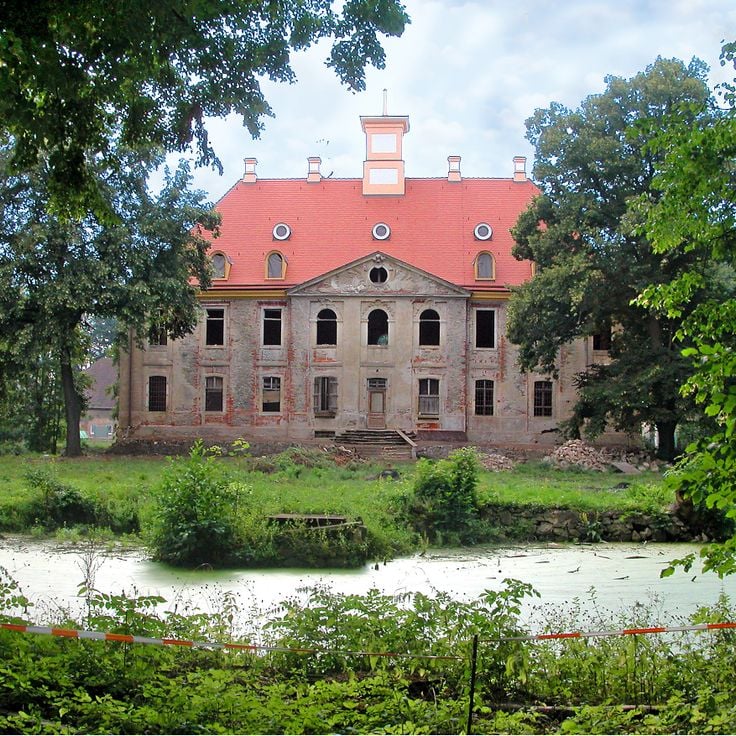
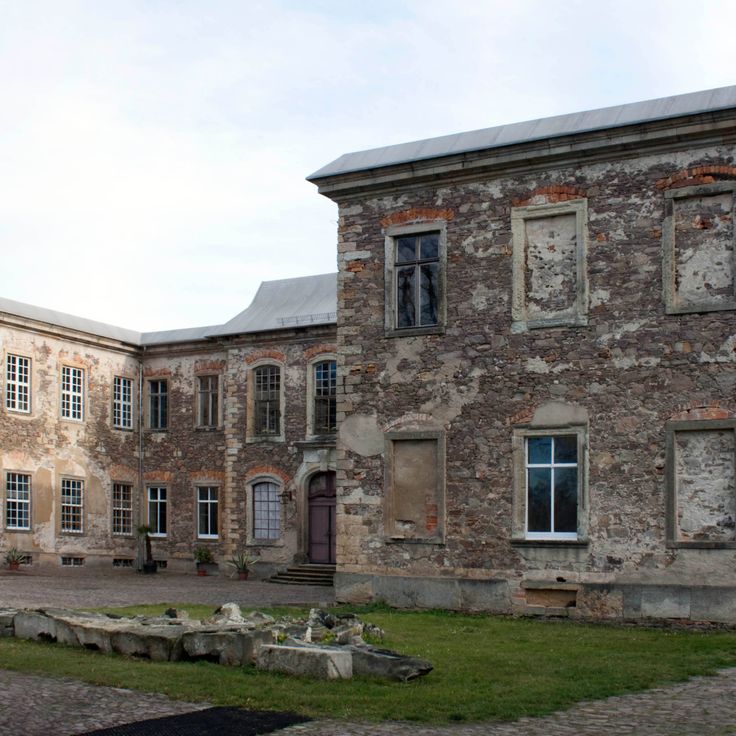
Leuben Castle is a 16th century Renaissance manor located away from the usual tourist routes in Saxony. The estate displays a characteristic sandstone facade and an interior courtyard, surrounded by a historic landscape park. This complex represents one of the architectural examples from the Renaissance period in the region and complements the offer of castles such as Kriebstein and Moritzburg. The park provides an opportunity for walks in a quiet setting.
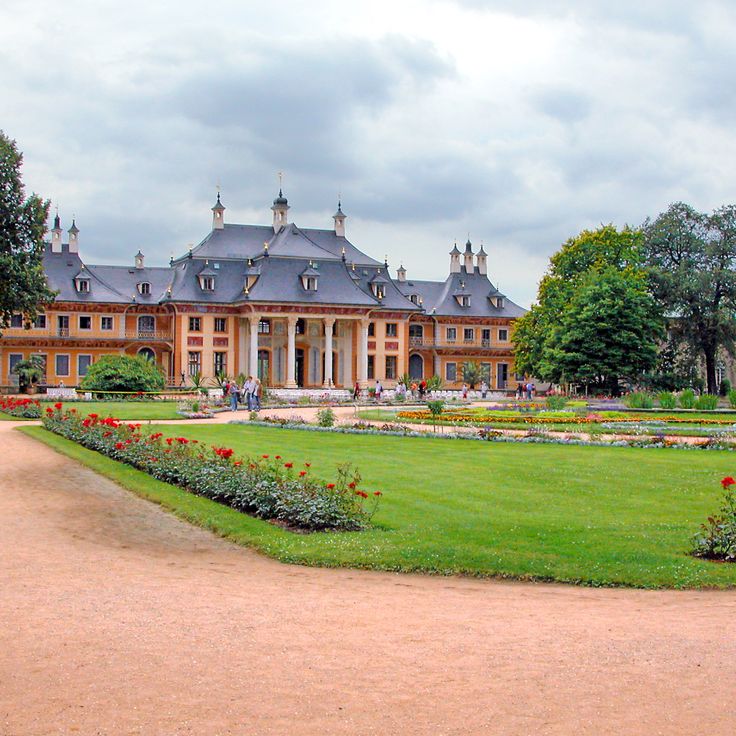
This baroque palace stands on the Elbe River banks in Dresden and merges European architecture with Chinese design elements. The complex includes the Water, Hillside and New Palaces along with a botanical garden featuring a historic palm house. The former royal summer residence showcases 18th-century architecture and houses collections from the Museum of Decorative Arts. The garden extends across 69 acres (28 hectares) with English and Dutch landscape sections and more than 1,500 container plants.
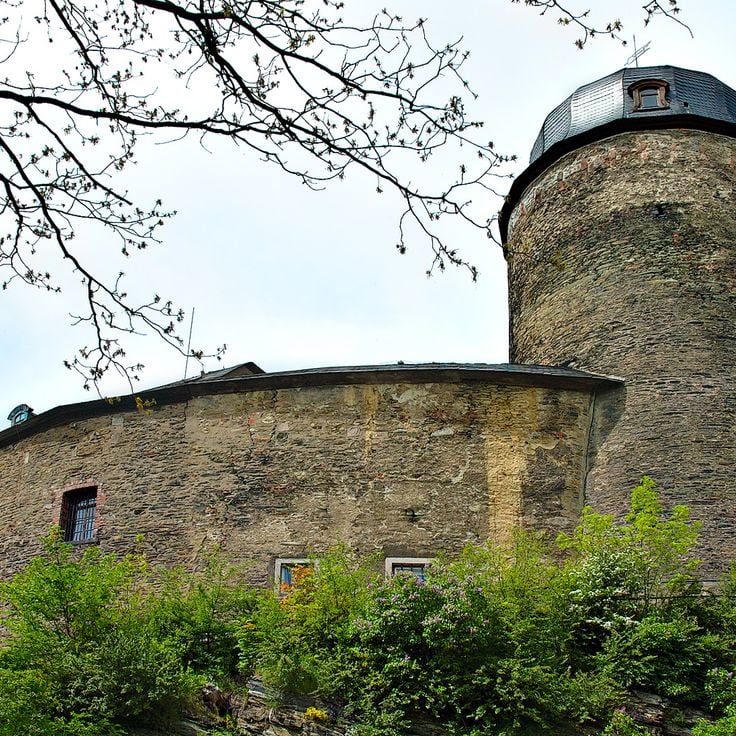
This medieval fortress in the remote areas of Saxony stands on a rock above the Zschopau River and dates from the 12th century. Wolkenstein Castle displays typical elements of German fortification architecture with its preserved walls and keep. The site offers insights into the regional history of the Ore Mountains and complements the range of historical structures between the better known Kriebstein and Moritzburg castles.
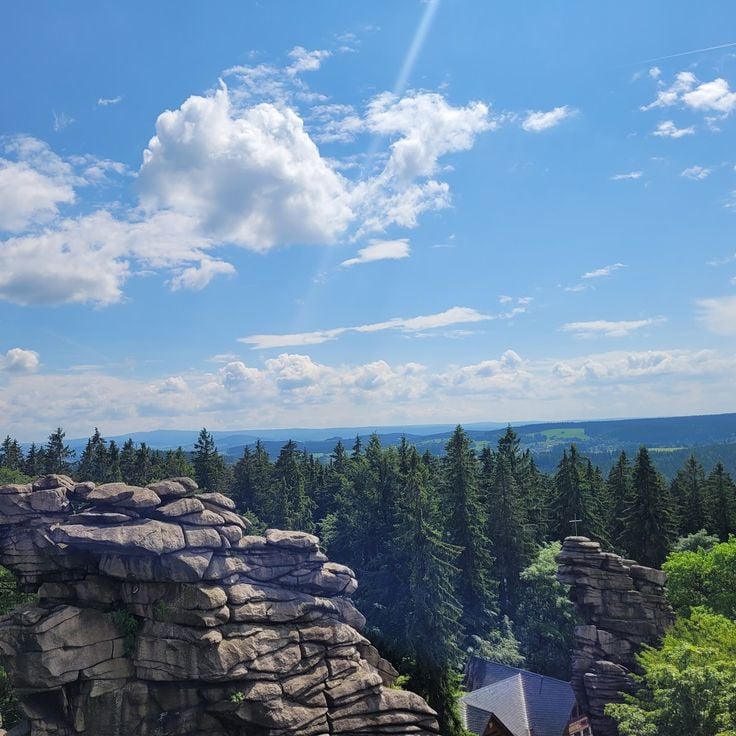
This granite formation in the Ore Mountains consists of seven distinct rocks that rise up to 105 feet (32 meters) above the landscape. An open-air theater sits between the stones and has hosted performances since 1925, with seating for approximately 1,400 visitors. The Greifensteine represent one of the less visited natural monuments in Saxony and provide access to hiking trails through the surrounding forests.
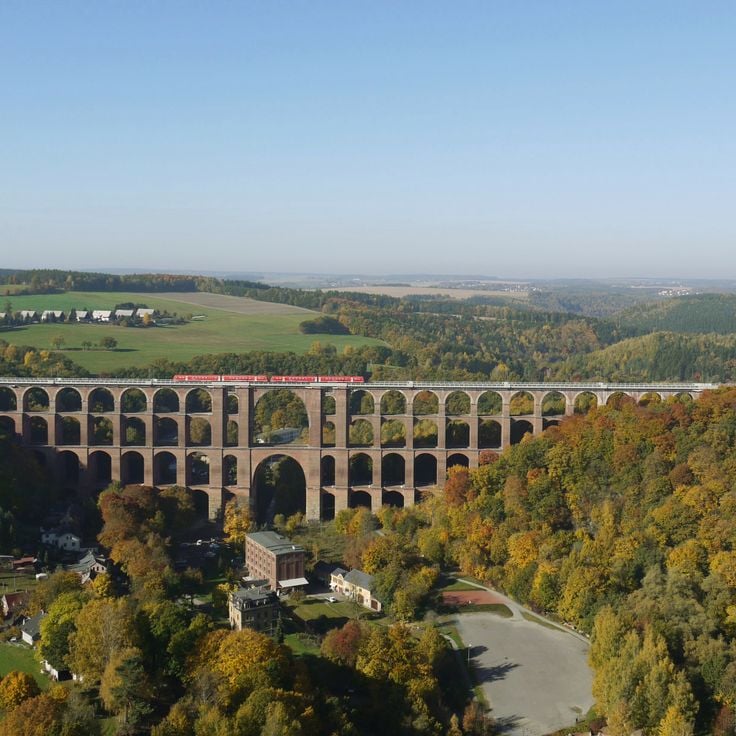
This railway bridge rises 256 feet (78 meters) above the Göltzsch Valley and extends 1,880 feet (574 meters) in length. Built between 1846 and 1851 as the world's largest brick bridge, it required approximately 26 million handmade bricks. The viaduct connects Leipzig with Nuremberg on the Saxon-Bavarian Railway line. The four-story structure features 29 arches and demonstrates German engineering from the 19th century, ranking among the important technical monuments in Saxony.
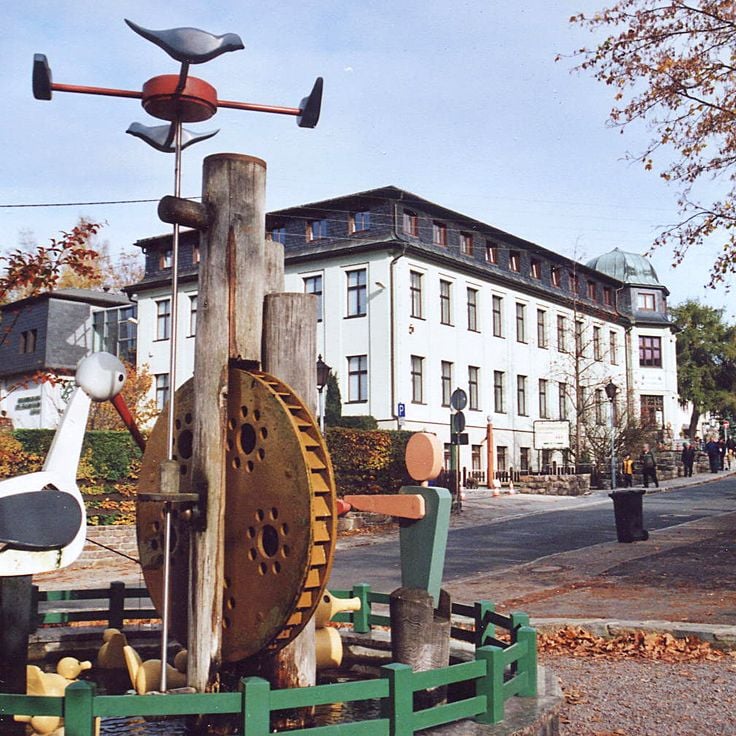
This museum presents traditional wooden toys from the Ore Mountains and documents the regional craftsmanship that has defined Seiffen for centuries. The collection includes turned figures, Christmas pyramids and mechanical toys from different periods. Visitors gain insight into the development of local toy production and the working techniques of craftsmen who kept these traditions alive.
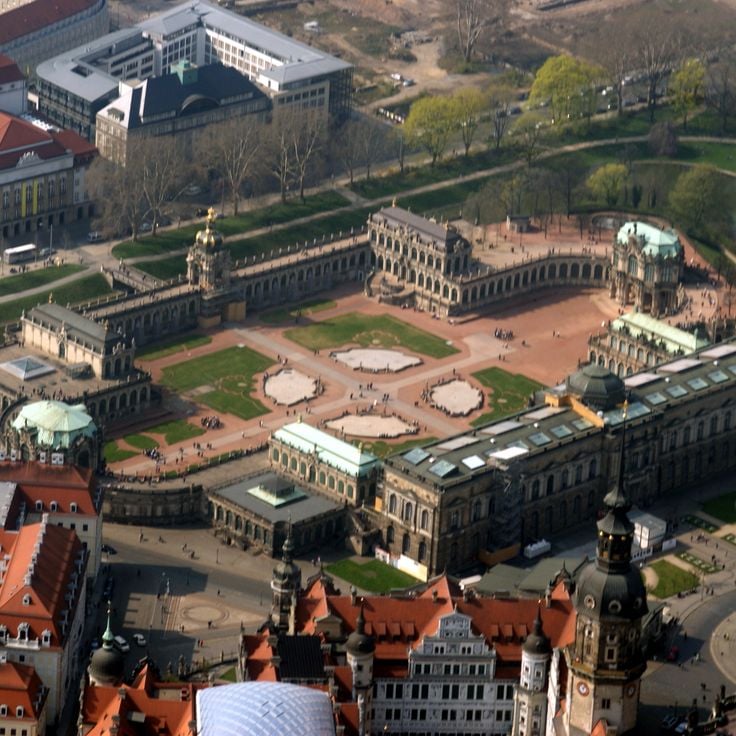
This baroque palace complex from the 18th century in central Dresden houses several major art collections, including the Old Masters Picture Gallery with works by Raphael, Rembrandt and Canaletto, and the Porcelain Collection containing about 20,000 pieces from Meissen, China and Japan. The Zwinger was built between 1710 and 1728 under Augustus the Strong and originally served as an orangery and festival ground. The complex comprises four pavilions and several galleries surrounding a rectangular courtyard with fountains and lawns. After destruction in World War II, reconstruction was completed by 1963.
This castle stands in the Mulde valley as an example of late Romanesque architecture in Saxony and fits the series of less visited historical sites in the region. The complex houses a museum with exhibits on Saxon domestic culture and craftsmanship from the Middle Ages through the 19th century. Visitors can tour rooms displaying original furniture, textiles and ceramics. The compound includes several buildings from the 12th to 17th centuries, including a palas and a bergfried. The permanent collection presents some 5,000 objects across three floors.
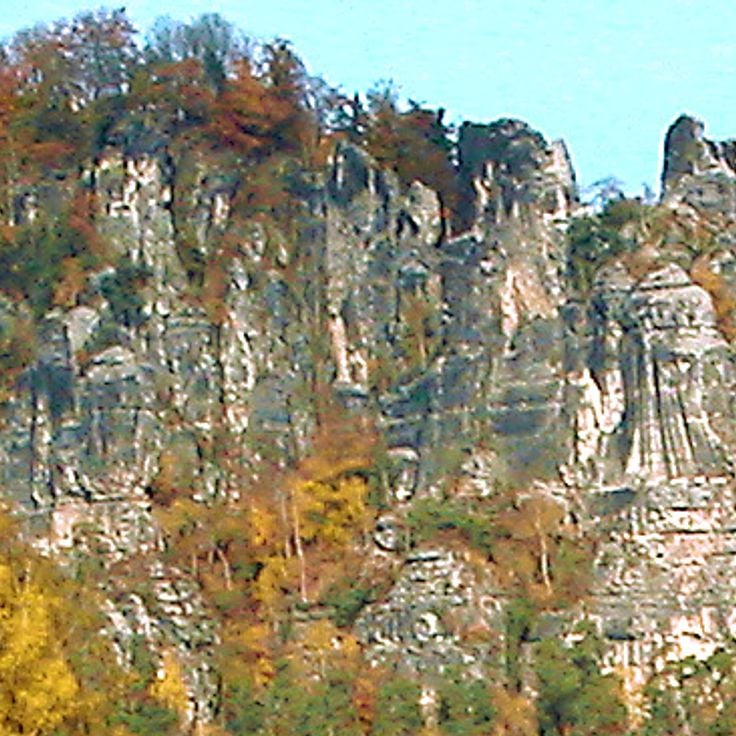
This mountain region displays sandstone formations shaped over centuries and lies southeast of Dresden near the Czech border. The Elbe cuts through deep valleys with table mountains, rock pinnacles and forested plateaus. The area includes more than 700 climbing routes and marked hiking trails through gorges and to viewpoints above the Elbe valley. The Bastei Bridge connects several rock outcrops at about 640 feet (195 meters) above the river.
This Renaissance castle served as a high security prison for Allied officers during World War II and documents the history of numerous escape attempts between 1940 and 1945. The site belongs to Saxony's historical locations away from main tourist routes and provides insight into different periods of German history.
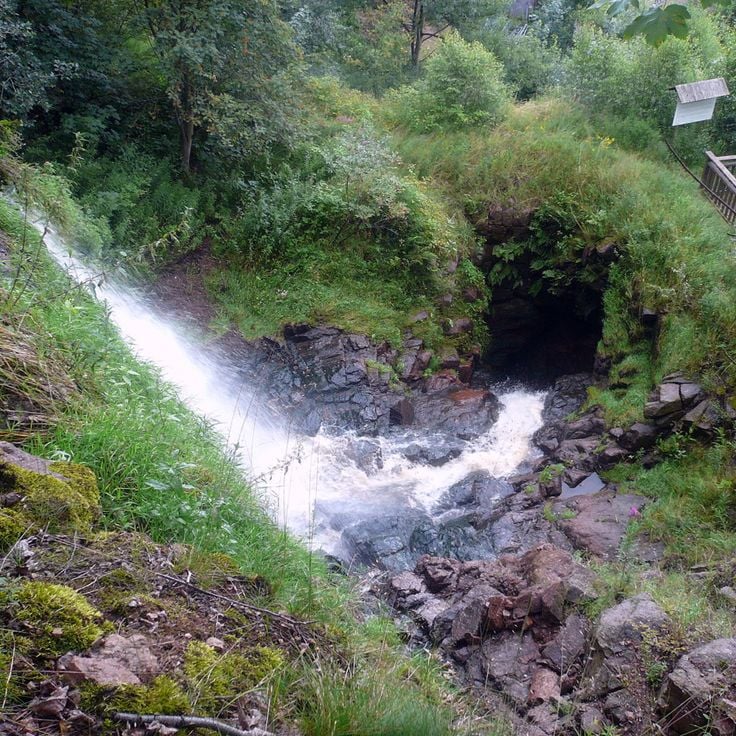
This waterfall drops 65 feet (20 meters) through a narrow sandstone gorge and sits away from main hiking routes in the Elbe Sandstone Mountains. A marked forest path leads through dense mixed woodland to the base of the falls, where a small pool has formed. The gorge clearly displays the geological layers of regional sandstone. The waterfall carries water year round, with flow increasing after rainfall.
This medieval fortress from the 12th century stands away from the usual tourist circuits in Saxony and houses a collection documenting regional history. The castle rises above the valley and offers visitors insights into the area's medieval architecture along with views across the surrounding landscape, complementing the historical heritage of Saxony beyond better known sites like Kriebstein and Moritzburg castles.
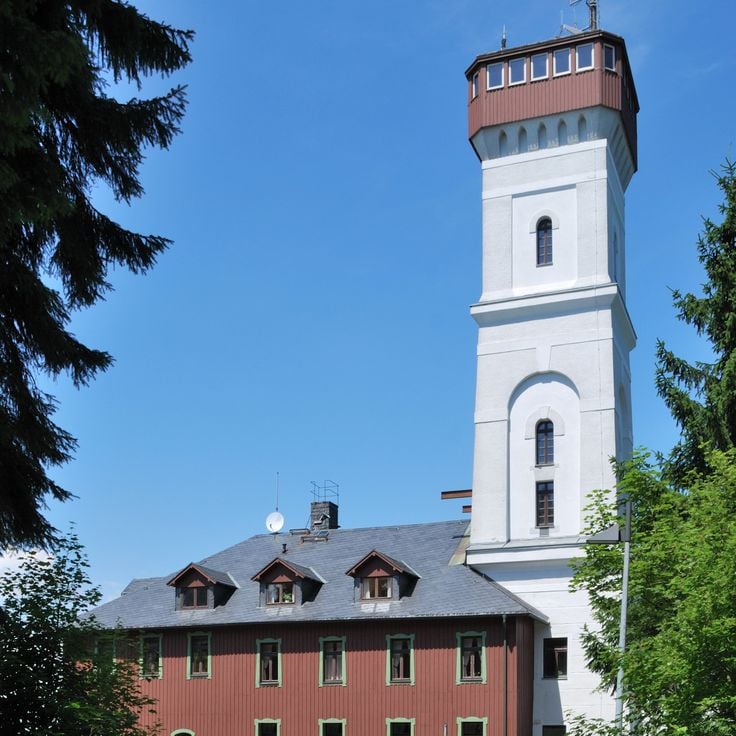
This observation tower stands atop the 2,730-foot (832-meter) Pöhlberg near Annaberg-Buchholz and provides panoramic views across the Ore Mountains. The tower is accessible via hiking trails and includes a mountain restaurant. The facility sits away from main tourist routes and represents the tradition of observation points in this Saxon mountain region, offering visitors perspectives on the natural topography and historic settlement patterns of the area.
The ruins of Dahlen Castle preserve foundation walls and exterior sections of the main building from the 16th century, documenting an example of Saxon castle architecture in a region known for its medieval structures and historic sites away from established tourist routes.
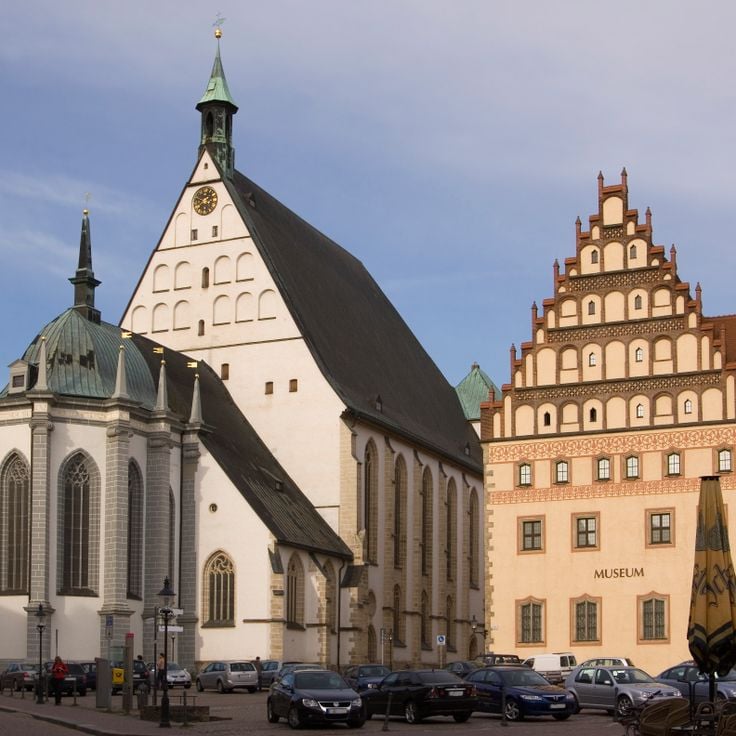
This cathedral preserves two Silbermann organs from the 18th century and a Romanesque portal with stone sculptures. The building in the former mining town of Freiberg ranks among the cultural destinations in Saxony away from standard tourist routes and documents the regional craftsmanship and musical history of the area.
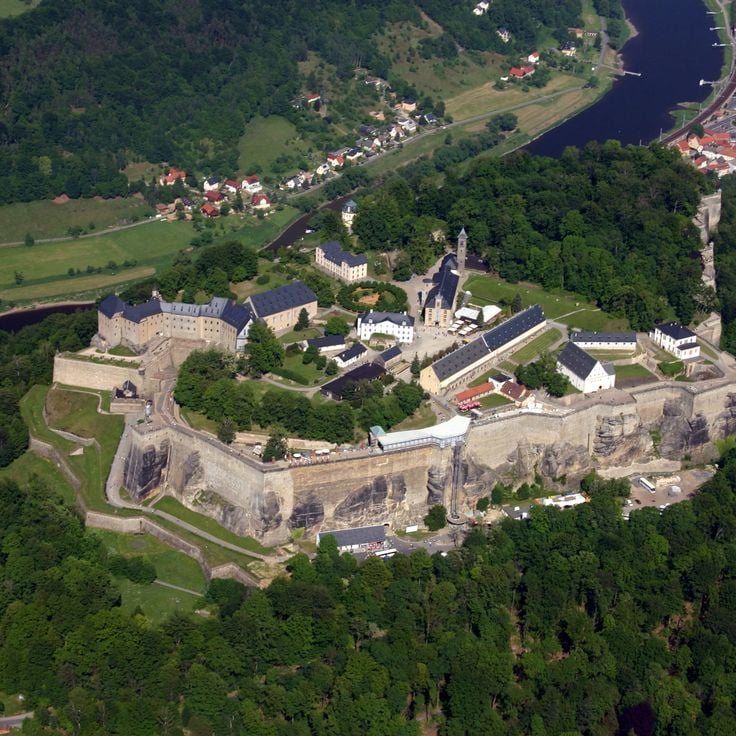
Königstein Fortress covers 9.5 hectares (23.5 acres) atop a table mountain above the Elbe River and brings together 50 buildings from various periods of German military architecture. This fortification, preserved for over 750 years, documents the evolution of Saxon defensive construction from the Middle Ages through the 19th century and ranks among Europe's largest mountain fortresses. Visitors can examine casemates, Saxony's deepest well house and historic defense installations, while the elevated position provides views across the Elbe Sandstone Mountains.
This protected landscape covers roughly 30,000 hectares (74,000 acres) in northeastern Saxony and forms Germany's largest pond system with over 350 man-made bodies of water. The Oberlausitz Heathland and Pond Landscape developed from the 13th century onward through human intervention for fish farming and today presents a mosaic of water surfaces, moorlands, heathlands and forests. The area lies away from major tourist routes and provides habitat for more than 340 bird species, including ospreys and cranes. Hiking trails connect the ponds and pass through different biotopes between the towns of Hoyerswerda, Bautzen and Niesky.
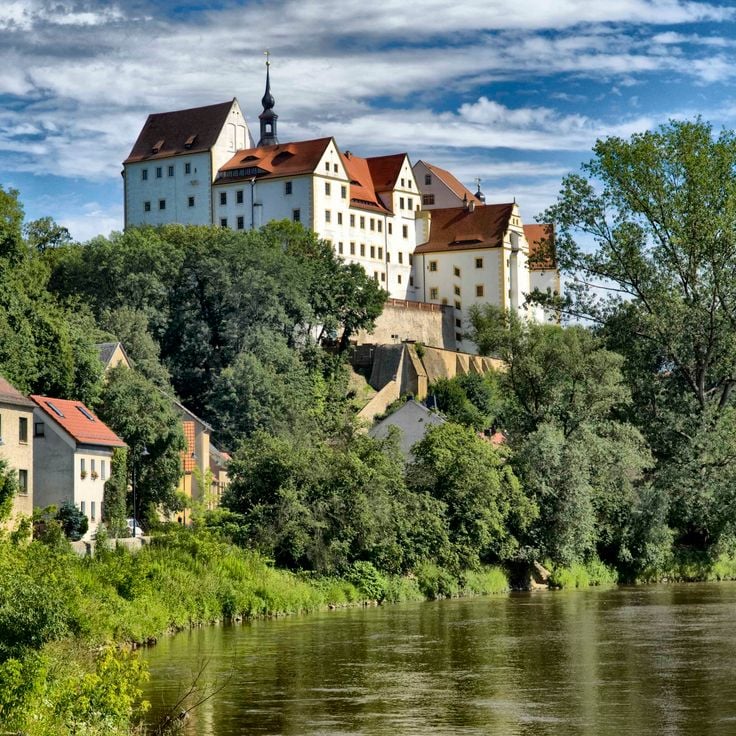
This castle rises above the Zwickauer Mulde valley and demonstrates medieval fortification architecture through its remaining walls. The structure stands on a rock outcrop and represents one of the region's less visited historical sites, documenting centuries of defensive building techniques away from the main tourist routes that characterize this collection of remote Saxon destinations.
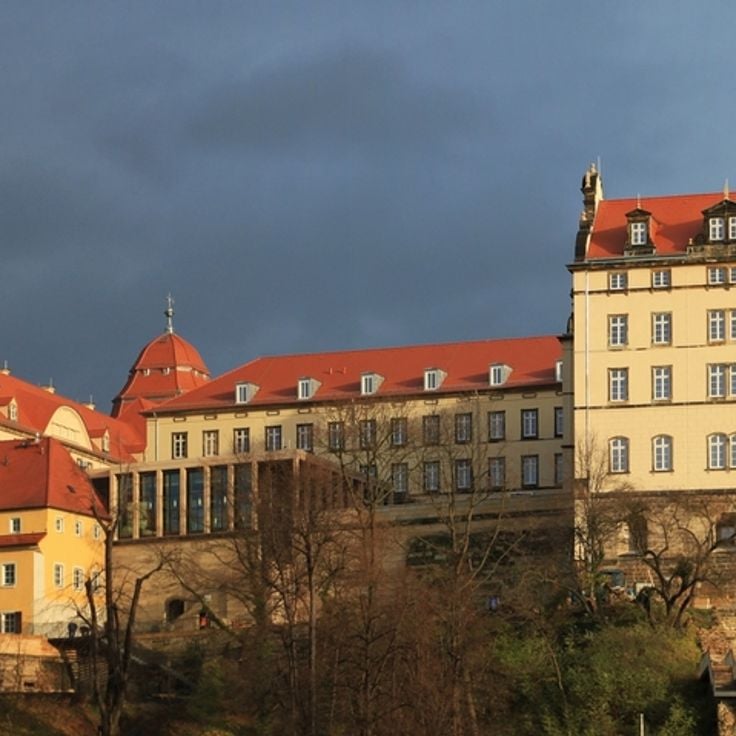
Sonnenstein Castle was built in the 16th century on the remains of a medieval fortress and served different purposes over the centuries. This complex functioned initially as an electoral residence, later as a prison and psychiatric facility. During World War II, the castle was converted into a killing center where more than 13,700 people were murdered as part of the Nazi euthanasia program. Today this complex houses a memorial site that commemorates the victims, along with various social institutions. Sonnenstein Castle sits above the town of Pirna and provides insight into dark chapters of German history, away from the usual tourist paths in Saxony.
This monastery from 1234 is the oldest continuously inhabited Cistercian convent in Germany. The baroque buildings date from the 17th century after a fire destroyed earlier structures and surround a courtyard with the monastery church. The community preserves traditional crafts including textile work, operates agricultural land and offers guest accommodation. The monastery garden provides herbs and vegetables for the kitchen and sale. Guided tours present the history of the complex and current life of the Cistercian nuns. This abbey stands near the Polish border in Upper Lusatia.
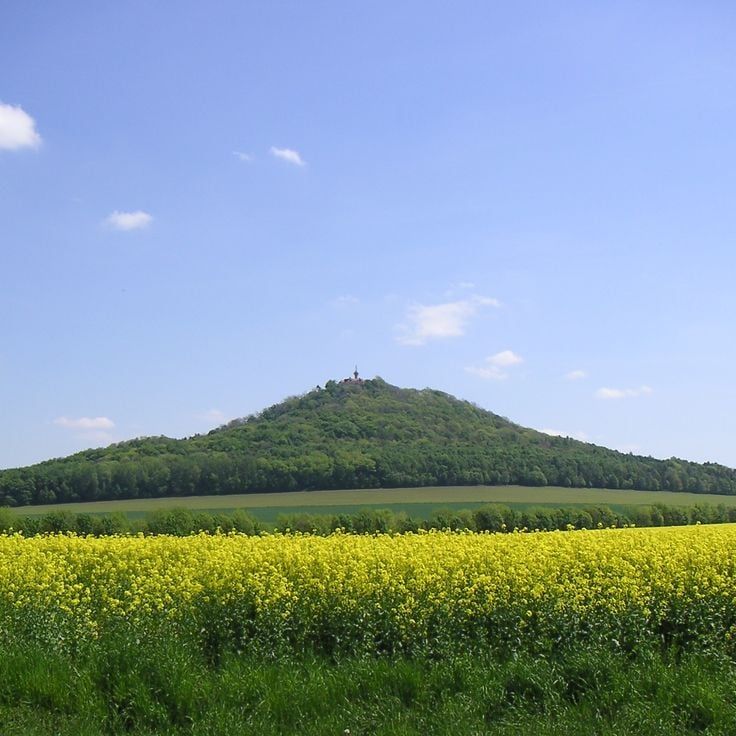
This mountain of volcanic origin rises 1,378 feet above sea level and offers views of the Jizera and Giant Mountains from the observation tower at its summit. Landeskrone sits south of Görlitz and belongs to the outlier mountains of the region. A hiking trail leads through mixed forests to the peak, where a restaurant stands beside the tower. The ascent takes about 30 minutes from the city limits. The complex was established in the 19th century and has served as a destination for visitors from Upper Lusatia since then.
This animal park houses more than 250 native species in natural enclosures across 125 acres (50 hectares) of forested land. The grounds near Moritzburg focus on European wildlife, including red and fallow deer, wild boar and mouflon. The park complements the architectural sites of the area with an introduction to regional fauna and serves families and visitors interested in local animal life.
This medieval fortress from the 13th century stands among the remote Saxon destinations away from tourist routes. The castle displays a 98-foot-high (30-meter) keep and a Romanesque chapel that document German architecture from different periods.
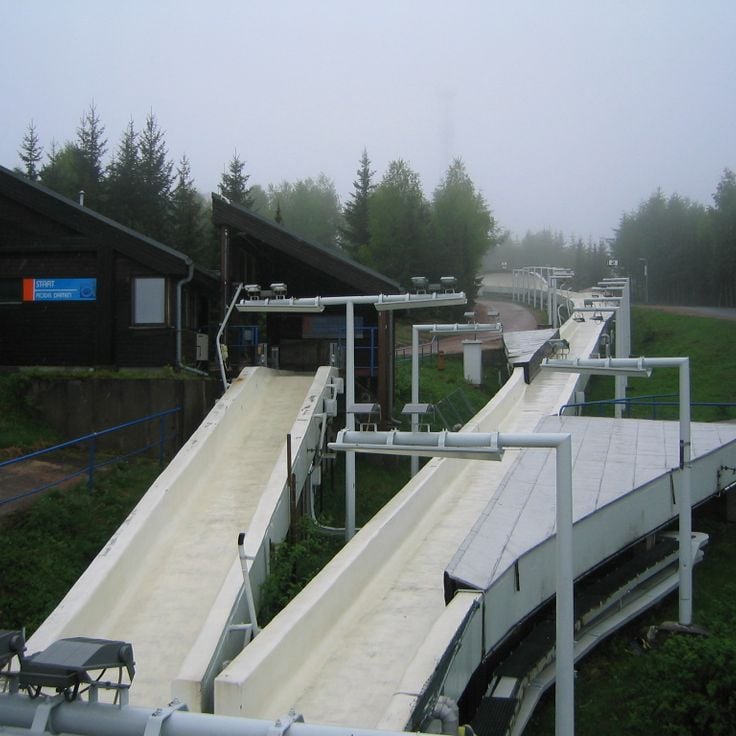
This bobsleigh track in Altenberg runs 4,642 feet (1,413 meters) through 17 curves with a vertical drop of 397 feet (121 meters). Opened in 1986, the facility provides an ice channel that reaches speeds up to 84 miles per hour (135 kilometers per hour). As part of the remote sites across Saxony, the track hosts World Cup races for bobsleigh, luge and skeleton events. Visitors can participate in taxi rides outside competition periods, when professional pilots guide passengers through the ice run. The grounds include spectator stands, a timing building and training facilities for athletes.
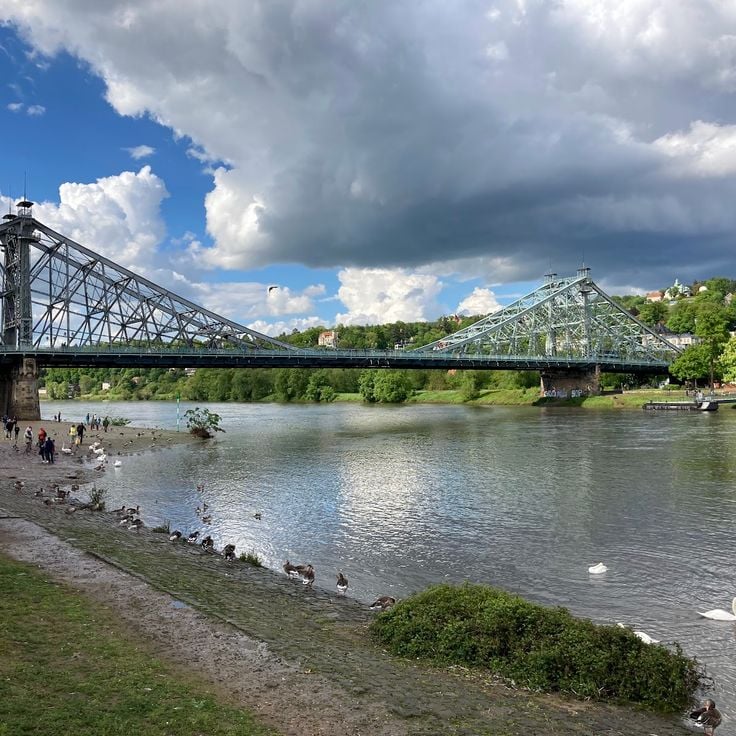
This steel bridge completed in 1893 spans the Elbe River across 920 feet (280 meters) without pillars in the water and ranks among the technical monuments that complete the hidden destinations in Saxony.
This sandstone bridge connects several rock formations above the Elbe Valley in Saxon Switzerland National Park and provides access to viewpoints over the forested valleys and table mountains of the region, representing one of the remote destinations in Saxony away from major tourist routes.
The Albrechtsburg in Meissen was built in the 15th century as Germany's first palace and served as the residence of Saxon dukes. This Gothic structure rises above the old town and the Elbe Valley and displays late Gothic architecture with cellular vaults and curtain arch windows. The castle housed Europe's first porcelain manufactory from 1710 until production moved into the town. Today exhibitions document the history of the structure and its use over five centuries.
This fourteenth century castle stands on a rock 150 feet above the Zschopau River and ranks among the remote destinations in Saxony. The structure shows medieval architecture with towers, defensive walls and residential buildings from different periods. Visitors find interior rooms with historical furniture, paintings and weapons. The location above the river offers views across the forested valley and surrounding villages.
This 16th-century Baroque hunting lodge stands on an artificial island northwest of Dresden and contains extensive collections of historical hunting trophies, porcelain and gilded leather wall coverings. Moritzburg Castle served Saxon electors as a hunting residence and was expanded to its current form under Augustus the Strong.
This castle combines eight centuries of architectural development and illustrates the evolving history of the Saxon region beyond the main tourist routes. Built as a 13th century fortress, the complex was transformed over successive periods into a castle incorporating Gothic, Baroque and Neoclassical elements. A terraced garden follows the Müglitz river along the estate and provides views across the valley.
This museum documents the development of German watchmaking in Glashütte since 1845 and displays historical timepieces, tools and documents from over 175 years of regional craftsmanship. The exhibition presents technical innovations and the working methods of the manufactories that made Glashütte a major center of precision mechanics. The museum occupies the historic building of Germany's first watchmaking school and provides insights into the construction, production and restoration of mechanical watches. The collection includes precision timepieces, marine chronometers and pocket watches from various periods of Saxony's watch industry.
This 16th century hammer mill in the Ore Mountains demonstrates functional forging techniques from the Saxon mining era. The water-powered facility showcases historical metal processing with preserved hammers and tools. The technical monument documents the region's craft tradition and offers demonstrations of traditional blacksmithing away from typical tourist routes in Saxony.
Leuben Castle is a 16th century Renaissance manor located away from the usual tourist routes in Saxony. The estate displays a characteristic sandstone facade and an interior courtyard, surrounded by a historic landscape park. This complex represents one of the architectural examples from the Renaissance period in the region and complements the offer of castles such as Kriebstein and Moritzburg. The park provides an opportunity for walks in a quiet setting.
This baroque palace stands on the Elbe River banks in Dresden and merges European architecture with Chinese design elements. The complex includes the Water, Hillside and New Palaces along with a botanical garden featuring a historic palm house. The former royal summer residence showcases 18th-century architecture and houses collections from the Museum of Decorative Arts. The garden extends across 69 acres (28 hectares) with English and Dutch landscape sections and more than 1,500 container plants.
This medieval fortress in the remote areas of Saxony stands on a rock above the Zschopau River and dates from the 12th century. Wolkenstein Castle displays typical elements of German fortification architecture with its preserved walls and keep. The site offers insights into the regional history of the Ore Mountains and complements the range of historical structures between the better known Kriebstein and Moritzburg castles.
This granite formation in the Ore Mountains consists of seven distinct rocks that rise up to 105 feet (32 meters) above the landscape. An open-air theater sits between the stones and has hosted performances since 1925, with seating for approximately 1,400 visitors. The Greifensteine represent one of the less visited natural monuments in Saxony and provide access to hiking trails through the surrounding forests.
This railway bridge rises 256 feet (78 meters) above the Göltzsch Valley and extends 1,880 feet (574 meters) in length. Built between 1846 and 1851 as the world's largest brick bridge, it required approximately 26 million handmade bricks. The viaduct connects Leipzig with Nuremberg on the Saxon-Bavarian Railway line. The four-story structure features 29 arches and demonstrates German engineering from the 19th century, ranking among the important technical monuments in Saxony.
This museum presents traditional wooden toys from the Ore Mountains and documents the regional craftsmanship that has defined Seiffen for centuries. The collection includes turned figures, Christmas pyramids and mechanical toys from different periods. Visitors gain insight into the development of local toy production and the working techniques of craftsmen who kept these traditions alive.
This baroque palace complex from the 18th century in central Dresden houses several major art collections, including the Old Masters Picture Gallery with works by Raphael, Rembrandt and Canaletto, and the Porcelain Collection containing about 20,000 pieces from Meissen, China and Japan. The Zwinger was built between 1710 and 1728 under Augustus the Strong and originally served as an orangery and festival ground. The complex comprises four pavilions and several galleries surrounding a rectangular courtyard with fountains and lawns. After destruction in World War II, reconstruction was completed by 1963.
This castle stands in the Mulde valley as an example of late Romanesque architecture in Saxony and fits the series of less visited historical sites in the region. The complex houses a museum with exhibits on Saxon domestic culture and craftsmanship from the Middle Ages through the 19th century. Visitors can tour rooms displaying original furniture, textiles and ceramics. The compound includes several buildings from the 12th to 17th centuries, including a palas and a bergfried. The permanent collection presents some 5,000 objects across three floors.
This mountain region displays sandstone formations shaped over centuries and lies southeast of Dresden near the Czech border. The Elbe cuts through deep valleys with table mountains, rock pinnacles and forested plateaus. The area includes more than 700 climbing routes and marked hiking trails through gorges and to viewpoints above the Elbe valley. The Bastei Bridge connects several rock outcrops at about 640 feet (195 meters) above the river.
This Renaissance castle served as a high security prison for Allied officers during World War II and documents the history of numerous escape attempts between 1940 and 1945. The site belongs to Saxony's historical locations away from main tourist routes and provides insight into different periods of German history.
This waterfall drops 65 feet (20 meters) through a narrow sandstone gorge and sits away from main hiking routes in the Elbe Sandstone Mountains. A marked forest path leads through dense mixed woodland to the base of the falls, where a small pool has formed. The gorge clearly displays the geological layers of regional sandstone. The waterfall carries water year round, with flow increasing after rainfall.
This medieval fortress from the 12th century stands away from the usual tourist circuits in Saxony and houses a collection documenting regional history. The castle rises above the valley and offers visitors insights into the area's medieval architecture along with views across the surrounding landscape, complementing the historical heritage of Saxony beyond better known sites like Kriebstein and Moritzburg castles.
This observation tower stands atop the 2,730-foot (832-meter) Pöhlberg near Annaberg-Buchholz and provides panoramic views across the Ore Mountains. The tower is accessible via hiking trails and includes a mountain restaurant. The facility sits away from main tourist routes and represents the tradition of observation points in this Saxon mountain region, offering visitors perspectives on the natural topography and historic settlement patterns of the area.
The ruins of Dahlen Castle preserve foundation walls and exterior sections of the main building from the 16th century, documenting an example of Saxon castle architecture in a region known for its medieval structures and historic sites away from established tourist routes.
This cathedral preserves two Silbermann organs from the 18th century and a Romanesque portal with stone sculptures. The building in the former mining town of Freiberg ranks among the cultural destinations in Saxony away from standard tourist routes and documents the regional craftsmanship and musical history of the area.
Königstein Fortress covers 9.5 hectares (23.5 acres) atop a table mountain above the Elbe River and brings together 50 buildings from various periods of German military architecture. This fortification, preserved for over 750 years, documents the evolution of Saxon defensive construction from the Middle Ages through the 19th century and ranks among Europe's largest mountain fortresses. Visitors can examine casemates, Saxony's deepest well house and historic defense installations, while the elevated position provides views across the Elbe Sandstone Mountains.
This protected landscape covers roughly 30,000 hectares (74,000 acres) in northeastern Saxony and forms Germany's largest pond system with over 350 man-made bodies of water. The Oberlausitz Heathland and Pond Landscape developed from the 13th century onward through human intervention for fish farming and today presents a mosaic of water surfaces, moorlands, heathlands and forests. The area lies away from major tourist routes and provides habitat for more than 340 bird species, including ospreys and cranes. Hiking trails connect the ponds and pass through different biotopes between the towns of Hoyerswerda, Bautzen and Niesky.
This castle rises above the Zwickauer Mulde valley and demonstrates medieval fortification architecture through its remaining walls. The structure stands on a rock outcrop and represents one of the region's less visited historical sites, documenting centuries of defensive building techniques away from the main tourist routes that characterize this collection of remote Saxon destinations.
Sonnenstein Castle was built in the 16th century on the remains of a medieval fortress and served different purposes over the centuries. This complex functioned initially as an electoral residence, later as a prison and psychiatric facility. During World War II, the castle was converted into a killing center where more than 13,700 people were murdered as part of the Nazi euthanasia program. Today this complex houses a memorial site that commemorates the victims, along with various social institutions. Sonnenstein Castle sits above the town of Pirna and provides insight into dark chapters of German history, away from the usual tourist paths in Saxony.
This monastery from 1234 is the oldest continuously inhabited Cistercian convent in Germany. The baroque buildings date from the 17th century after a fire destroyed earlier structures and surround a courtyard with the monastery church. The community preserves traditional crafts including textile work, operates agricultural land and offers guest accommodation. The monastery garden provides herbs and vegetables for the kitchen and sale. Guided tours present the history of the complex and current life of the Cistercian nuns. This abbey stands near the Polish border in Upper Lusatia.
This mountain of volcanic origin rises 1,378 feet above sea level and offers views of the Jizera and Giant Mountains from the observation tower at its summit. Landeskrone sits south of Görlitz and belongs to the outlier mountains of the region. A hiking trail leads through mixed forests to the peak, where a restaurant stands beside the tower. The ascent takes about 30 minutes from the city limits. The complex was established in the 19th century and has served as a destination for visitors from Upper Lusatia since then.
This animal park houses more than 250 native species in natural enclosures across 125 acres (50 hectares) of forested land. The grounds near Moritzburg focus on European wildlife, including red and fallow deer, wild boar and mouflon. The park complements the architectural sites of the area with an introduction to regional fauna and serves families and visitors interested in local animal life.
This medieval fortress from the 13th century stands among the remote Saxon destinations away from tourist routes. The castle displays a 98-foot-high (30-meter) keep and a Romanesque chapel that document German architecture from different periods.
This bobsleigh track in Altenberg runs 4,642 feet (1,413 meters) through 17 curves with a vertical drop of 397 feet (121 meters). Opened in 1986, the facility provides an ice channel that reaches speeds up to 84 miles per hour (135 kilometers per hour). As part of the remote sites across Saxony, the track hosts World Cup races for bobsleigh, luge and skeleton events. Visitors can participate in taxi rides outside competition periods, when professional pilots guide passengers through the ice run. The grounds include spectator stands, a timing building and training facilities for athletes.
This steel bridge completed in 1893 spans the Elbe River across 920 feet (280 meters) without pillars in the water and ranks among the technical monuments that complete the hidden destinations in Saxony.
This sandstone bridge connects several rock formations above the Elbe Valley in Saxon Switzerland National Park and provides access to viewpoints over the forested valleys and table mountains of the region, representing one of the remote destinations in Saxony away from major tourist routes.
The Albrechtsburg in Meissen was built in the 15th century as Germany's first palace and served as the residence of Saxon dukes. This Gothic structure rises above the old town and the Elbe Valley and displays late Gothic architecture with cellular vaults and curtain arch windows. The castle housed Europe's first porcelain manufactory from 1710 until production moved into the town. Today exhibitions document the history of the structure and its use over five centuries.
This fourteenth century castle stands on a rock 150 feet above the Zschopau River and ranks among the remote destinations in Saxony. The structure shows medieval architecture with towers, defensive walls and residential buildings from different periods. Visitors find interior rooms with historical furniture, paintings and weapons. The location above the river offers views across the forested valley and surrounding villages.
This 16th-century Baroque hunting lodge stands on an artificial island northwest of Dresden and contains extensive collections of historical hunting trophies, porcelain and gilded leather wall coverings. Moritzburg Castle served Saxon electors as a hunting residence and was expanded to its current form under Augustus the Strong.
This castle combines eight centuries of architectural development and illustrates the evolving history of the Saxon region beyond the main tourist routes. Built as a 13th century fortress, the complex was transformed over successive periods into a castle incorporating Gothic, Baroque and Neoclassical elements. A terraced garden follows the Müglitz river along the estate and provides views across the valley.
This museum documents the development of German watchmaking in Glashütte since 1845 and displays historical timepieces, tools and documents from over 175 years of regional craftsmanship. The exhibition presents technical innovations and the working methods of the manufactories that made Glashütte a major center of precision mechanics. The museum occupies the historic building of Germany's first watchmaking school and provides insights into the construction, production and restoration of mechanical watches. The collection includes precision timepieces, marine chronometers and pocket watches from various periods of Saxony's watch industry.
This 16th century hammer mill in the Ore Mountains demonstrates functional forging techniques from the Saxon mining era. The water-powered facility showcases historical metal processing with preserved hammers and tools. The technical monument documents the region's craft tradition and offers demonstrations of traditional blacksmithing away from typical tourist routes in Saxony.
Leuben Castle is a 16th century Renaissance manor located away from the usual tourist routes in Saxony. The estate displays a characteristic sandstone facade and an interior courtyard, surrounded by a historic landscape park. This complex represents one of the architectural examples from the Renaissance period in the region and complements the offer of castles such as Kriebstein and Moritzburg. The park provides an opportunity for walks in a quiet setting.
This baroque palace stands on the Elbe River banks in Dresden and merges European architecture with Chinese design elements. The complex includes the Water, Hillside and New Palaces along with a botanical garden featuring a historic palm house. The former royal summer residence showcases 18th-century architecture and houses collections from the Museum of Decorative Arts. The garden extends across 69 acres (28 hectares) with English and Dutch landscape sections and more than 1,500 container plants.
This medieval fortress in the remote areas of Saxony stands on a rock above the Zschopau River and dates from the 12th century. Wolkenstein Castle displays typical elements of German fortification architecture with its preserved walls and keep. The site offers insights into the regional history of the Ore Mountains and complements the range of historical structures between the better known Kriebstein and Moritzburg castles.
This granite formation in the Ore Mountains consists of seven distinct rocks that rise up to 105 feet (32 meters) above the landscape. An open-air theater sits between the stones and has hosted performances since 1925, with seating for approximately 1,400 visitors. The Greifensteine represent one of the less visited natural monuments in Saxony and provide access to hiking trails through the surrounding forests.
This railway bridge rises 256 feet (78 meters) above the Göltzsch Valley and extends 1,880 feet (574 meters) in length. Built between 1846 and 1851 as the world's largest brick bridge, it required approximately 26 million handmade bricks. The viaduct connects Leipzig with Nuremberg on the Saxon-Bavarian Railway line. The four-story structure features 29 arches and demonstrates German engineering from the 19th century, ranking among the important technical monuments in Saxony.
This museum presents traditional wooden toys from the Ore Mountains and documents the regional craftsmanship that has defined Seiffen for centuries. The collection includes turned figures, Christmas pyramids and mechanical toys from different periods. Visitors gain insight into the development of local toy production and the working techniques of craftsmen who kept these traditions alive.
This baroque palace complex from the 18th century in central Dresden houses several major art collections, including the Old Masters Picture Gallery with works by Raphael, Rembrandt and Canaletto, and the Porcelain Collection containing about 20,000 pieces from Meissen, China and Japan. The Zwinger was built between 1710 and 1728 under Augustus the Strong and originally served as an orangery and festival ground. The complex comprises four pavilions and several galleries surrounding a rectangular courtyard with fountains and lawns. After destruction in World War II, reconstruction was completed by 1963.
This castle stands in the Mulde valley as an example of late Romanesque architecture in Saxony and fits the series of less visited historical sites in the region. The complex houses a museum with exhibits on Saxon domestic culture and craftsmanship from the Middle Ages through the 19th century. Visitors can tour rooms displaying original furniture, textiles and ceramics. The compound includes several buildings from the 12th to 17th centuries, including a palas and a bergfried. The permanent collection presents some 5,000 objects across three floors.
This mountain region displays sandstone formations shaped over centuries and lies southeast of Dresden near the Czech border. The Elbe cuts through deep valleys with table mountains, rock pinnacles and forested plateaus. The area includes more than 700 climbing routes and marked hiking trails through gorges and to viewpoints above the Elbe valley. The Bastei Bridge connects several rock outcrops at about 640 feet (195 meters) above the river.
This Renaissance castle served as a high security prison for Allied officers during World War II and documents the history of numerous escape attempts between 1940 and 1945. The site belongs to Saxony's historical locations away from main tourist routes and provides insight into different periods of German history.
This waterfall drops 65 feet (20 meters) through a narrow sandstone gorge and sits away from main hiking routes in the Elbe Sandstone Mountains. A marked forest path leads through dense mixed woodland to the base of the falls, where a small pool has formed. The gorge clearly displays the geological layers of regional sandstone. The waterfall carries water year round, with flow increasing after rainfall.
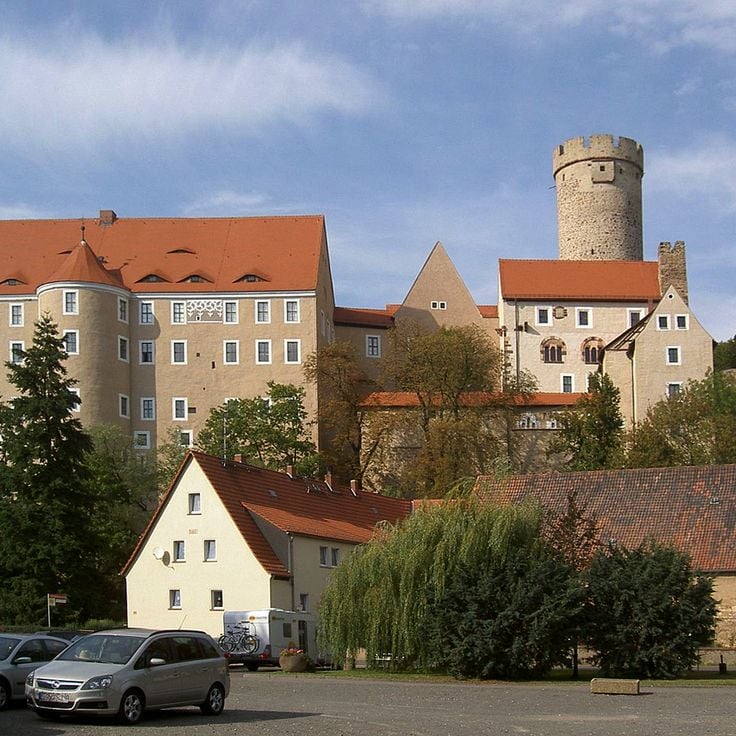
This medieval fortress from the 12th century stands away from the usual tourist circuits in Saxony and houses a collection documenting regional history. The castle rises above the valley and offers visitors insights into the area's medieval architecture along with views across the surrounding landscape, complementing the historical heritage of Saxony beyond better known sites like Kriebstein and Moritzburg castles.
This observation tower stands atop the 2,730-foot (832-meter) Pöhlberg near Annaberg-Buchholz and provides panoramic views across the Ore Mountains. The tower is accessible via hiking trails and includes a mountain restaurant. The facility sits away from main tourist routes and represents the tradition of observation points in this Saxon mountain region, offering visitors perspectives on the natural topography and historic settlement patterns of the area.
The ruins of Dahlen Castle preserve foundation walls and exterior sections of the main building from the 16th century, documenting an example of Saxon castle architecture in a region known for its medieval structures and historic sites away from established tourist routes.
This cathedral preserves two Silbermann organs from the 18th century and a Romanesque portal with stone sculptures. The building in the former mining town of Freiberg ranks among the cultural destinations in Saxony away from standard tourist routes and documents the regional craftsmanship and musical history of the area.
Königstein Fortress covers 9.5 hectares (23.5 acres) atop a table mountain above the Elbe River and brings together 50 buildings from various periods of German military architecture. This fortification, preserved for over 750 years, documents the evolution of Saxon defensive construction from the Middle Ages through the 19th century and ranks among Europe's largest mountain fortresses. Visitors can examine casemates, Saxony's deepest well house and historic defense installations, while the elevated position provides views across the Elbe Sandstone Mountains.
This protected landscape covers roughly 30,000 hectares (74,000 acres) in northeastern Saxony and forms Germany's largest pond system with over 350 man-made bodies of water. The Oberlausitz Heathland and Pond Landscape developed from the 13th century onward through human intervention for fish farming and today presents a mosaic of water surfaces, moorlands, heathlands and forests. The area lies away from major tourist routes and provides habitat for more than 340 bird species, including ospreys and cranes. Hiking trails connect the ponds and pass through different biotopes between the towns of Hoyerswerda, Bautzen and Niesky.
This castle rises above the Zwickauer Mulde valley and demonstrates medieval fortification architecture through its remaining walls. The structure stands on a rock outcrop and represents one of the region's less visited historical sites, documenting centuries of defensive building techniques away from the main tourist routes that characterize this collection of remote Saxon destinations.
Sonnenstein Castle was built in the 16th century on the remains of a medieval fortress and served different purposes over the centuries. This complex functioned initially as an electoral residence, later as a prison and psychiatric facility. During World War II, the castle was converted into a killing center where more than 13,700 people were murdered as part of the Nazi euthanasia program. Today this complex houses a memorial site that commemorates the victims, along with various social institutions. Sonnenstein Castle sits above the town of Pirna and provides insight into dark chapters of German history, away from the usual tourist paths in Saxony.
This monastery from 1234 is the oldest continuously inhabited Cistercian convent in Germany. The baroque buildings date from the 17th century after a fire destroyed earlier structures and surround a courtyard with the monastery church. The community preserves traditional crafts including textile work, operates agricultural land and offers guest accommodation. The monastery garden provides herbs and vegetables for the kitchen and sale. Guided tours present the history of the complex and current life of the Cistercian nuns. This abbey stands near the Polish border in Upper Lusatia.
This mountain of volcanic origin rises 1,378 feet above sea level and offers views of the Jizera and Giant Mountains from the observation tower at its summit. Landeskrone sits south of Görlitz and belongs to the outlier mountains of the region. A hiking trail leads through mixed forests to the peak, where a restaurant stands beside the tower. The ascent takes about 30 minutes from the city limits. The complex was established in the 19th century and has served as a destination for visitors from Upper Lusatia since then.
This animal park houses more than 250 native species in natural enclosures across 125 acres (50 hectares) of forested land. The grounds near Moritzburg focus on European wildlife, including red and fallow deer, wild boar and mouflon. The park complements the architectural sites of the area with an introduction to regional fauna and serves families and visitors interested in local animal life.
This medieval fortress from the 13th century stands among the remote Saxon destinations away from tourist routes. The castle displays a 98-foot-high (30-meter) keep and a Romanesque chapel that document German architecture from different periods.
This bobsleigh track in Altenberg runs 4,642 feet (1,413 meters) through 17 curves with a vertical drop of 397 feet (121 meters). Opened in 1986, the facility provides an ice channel that reaches speeds up to 84 miles per hour (135 kilometers per hour). As part of the remote sites across Saxony, the track hosts World Cup races for bobsleigh, luge and skeleton events. Visitors can participate in taxi rides outside competition periods, when professional pilots guide passengers through the ice run. The grounds include spectator stands, a timing building and training facilities for athletes.
This steel bridge completed in 1893 spans the Elbe River across 920 feet (280 meters) without pillars in the water and ranks among the technical monuments that complete the hidden destinations in Saxony.