See the monuments around you in AROpen chests in the app
Around Us is built for your phone — point your camera at the streets and discover the monuments and places around you in augmented reality.Around Us is built for your phone — chests unlock when you walk, explore and capture nearby places.
Hidden destinations in the Czech Republic beyond Prague
Beyond Prague, the Czech Republic spreads across regions filled with natural wonders and historical structures. Rock formations like the Pravčická Archway and Hruboskalsko Rock City display the distinctive geology of the area, while cave systems such as Mladeč and Sloup-Šošůvka invite exploration. Across the country stand remnants from different eras: Gothic castles like Křivoklát and Zvíkov stand alongside Baroque churches and Renaissance chateaux such as Vranov nad Dyjí. Spa towns like Jeseník and smaller villages reveal life outside the major centers.
This collection presents places to discover based on your interests. Those interested in architecture will find Renaissance buildings and Gothic structures that have survived for centuries. Those who prefer nature will encounter the sandstone formations and cave systems that shape the landscape. From the Elbe Sandstones to medieval fortresses, there is something to explore everywhere.
Each region of the country has its own character. Some sites lie away from main routes and see few visitors. Others are easier to reach but less well-known than major attractions. Together, they show a country with substantial historical depth and striking geological features.
Hidden destinations in the Czech Republic beyond Prague
Beyond Prague, the Czech Republic spreads across regions filled with natural wonders and historical structures. Rock formations like the Pravčická Archway and Hruboskalsko Rock City display the distinctive geology of the area, while cave systems such as Mladeč and Sloup-Šošůvka invite exploration. Across the country stand remnants from different eras: Gothic castles like Křivoklát and Zvíkov stand alongside Baroque churches and Renaissance chateaux such as Vranov nad Dyjí. Spa towns like Jeseník and smaller villages reveal life outside the major centers.
This collection presents places to discover based on your interests. Those interested in architecture will find Renaissance buildings and Gothic structures that have survived for centuries. Those who prefer nature will encounter the sandstone formations and cave systems that shape the landscape. From the Elbe Sandstones to medieval fortresses, there is something to explore everywhere.
Each region of the country has its own character. Some sites lie away from main routes and see few visitors. Others are easier to reach but less well-known than major attractions. Together, they show a country with substantial historical depth and striking geological features.
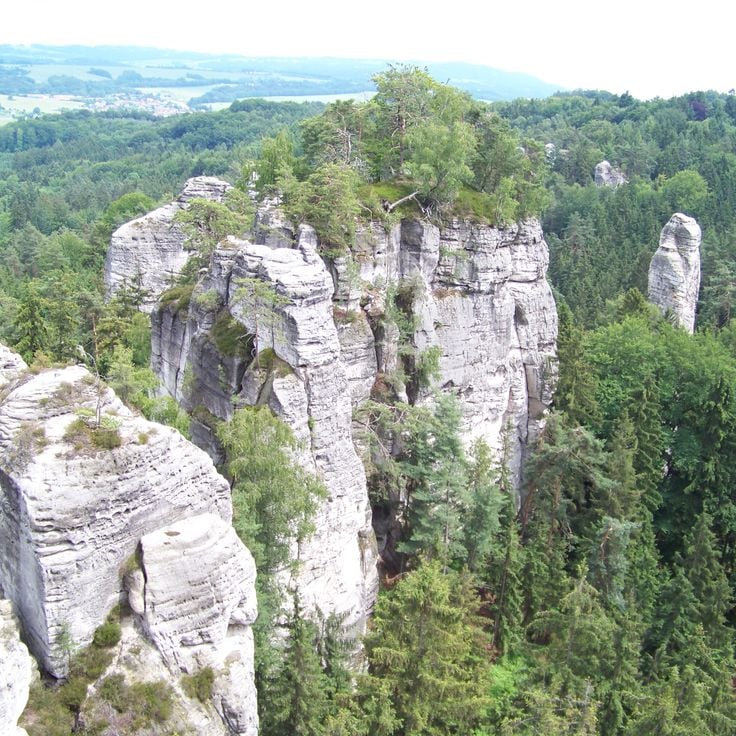
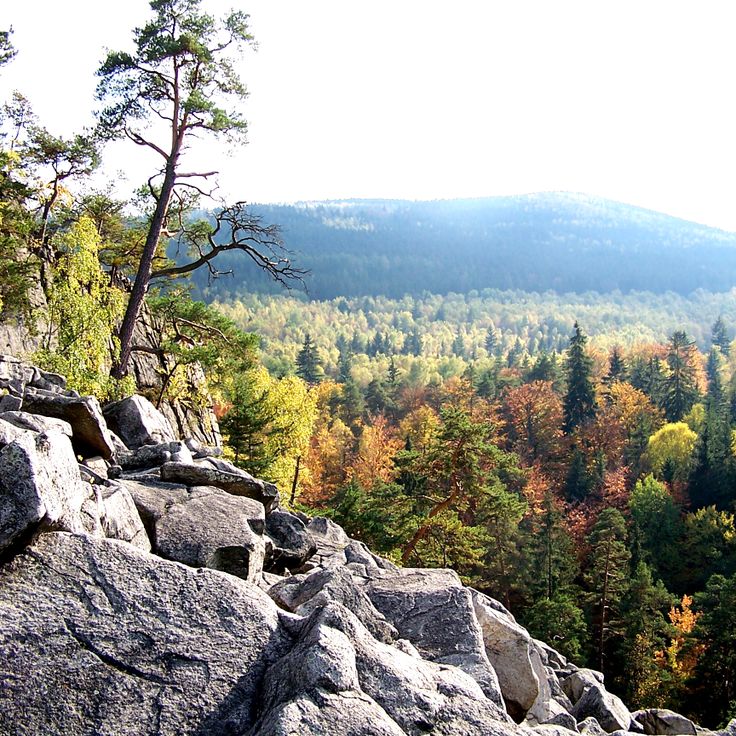
Hruboskalsko Rock City in the Liberec Region displays massive sandstone towers reaching 60 meters in height. These rock formations spread across a large area and feature marked paths between the characteristic towers. Visitors can hike through the landscape and experience these unusual formations up close. This nature reserve is part of the Czech Republic's varied natural landmarks beyond Prague, where rock formations and karst landscapes offer many opportunities for outdoor exploration.
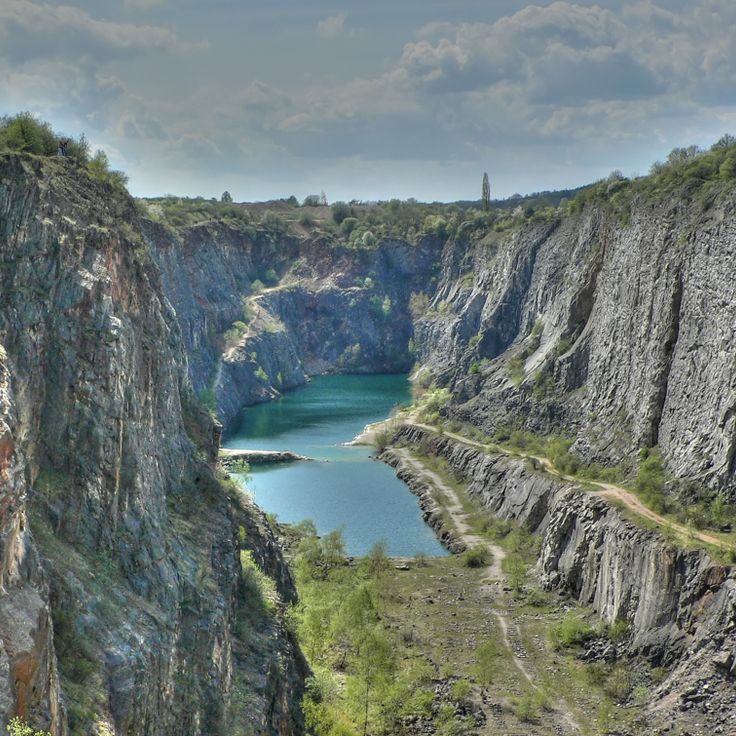
Velke Amerika Quarry is a former mining site in the Central Bohemian Region that represents the natural landmarks found throughout the Czech Republic beyond Prague. This excavated site contains a lake with clear water that has formed in the abandoned quarry, showcasing the limestone geology of the area. The site reflects both the region's geological character and its history of extraction industries.
This baroque pilgrimage church from the 18th century stands on a hilltop in the South Moravian Region and represents the religious heritage found beyond Prague. The building features ornate altar decorations and painted ceilings that reflect the artistic traditions of the baroque period.
The Sloup-Šošůvka Caves are part of the hidden destinations the Czech Republic offers beyond Prague. This underground complex winds through limestone formations with multiple levels and passages where visitors can explore prehistoric archaeological sites. The caves represent one of the country's notable natural landmarks, alongside sandstone arches, castles, and cave systems that reveal the region's geological history.
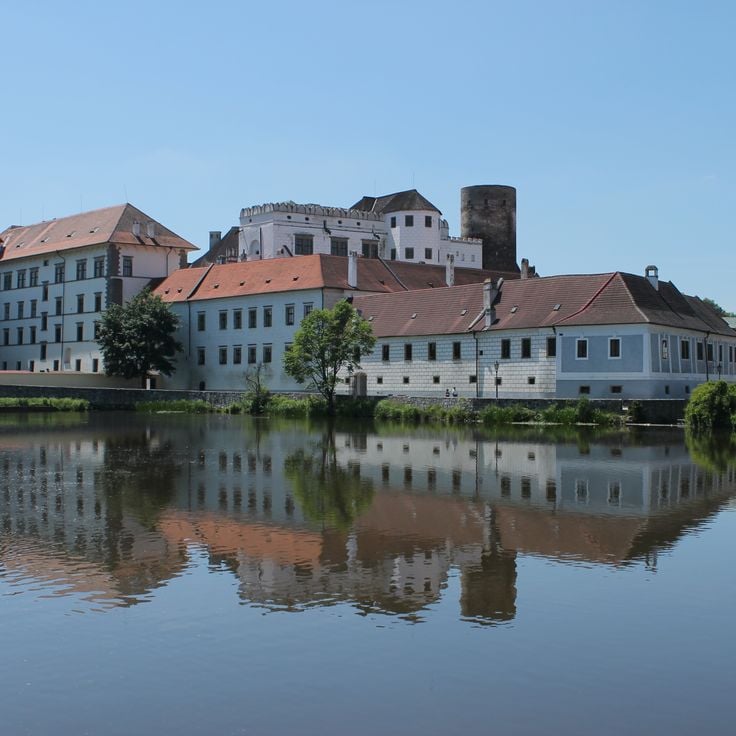
Jindřichův Hradec Castle is a medieval fortress in the South Bohemian Region and represents the rich history of the Czech Republic beyond Prague. The castle preserves original furnishings from the 16th century and sits beside a large pond within landscaped gardens. This location embodies the blend of history and nature that characterizes exploration outside the capital.
Devil's Wall is a natural sandstone formation that stretches for several kilometers and represents one of the country's notable rock features beyond Prague. This wall displays unusual rock shapes created by erosion over millions of years. It offers visitors a chance to explore the geological history of the region and observe the natural forces that have shaped the landscape.
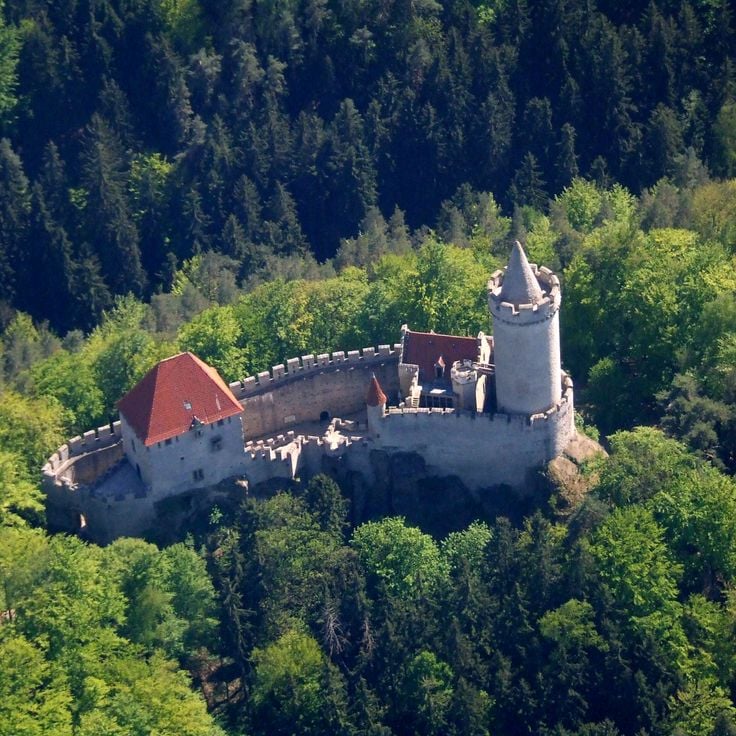
Kokořín Castle belongs to the historical fortresses found beyond Prague that reflect the Czech Republic's rich past. Built in the 14th century, this stone fortress stands on a sandstone rock surrounded by pine forests and protected natural areas in the Central Bohemian Region.
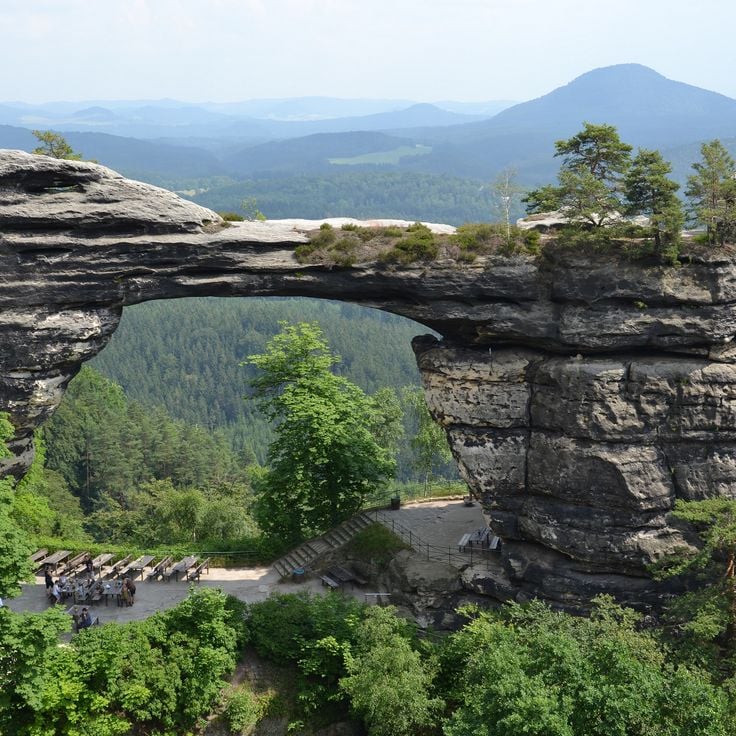
The Pravčická Archway is a sandstone rock formation in the national park that showcases the natural beauty of Bohemian Switzerland beyond Prague. This structure formed over millions of years through wind and water erosion and stands as one of the largest natural monuments of its kind in Europe. The arch rises prominently and creates a striking frame for the surrounding landscape. Visitors can see the geological layers that tell the region's history. The location draws people who love wild rock formations and open-air settings.
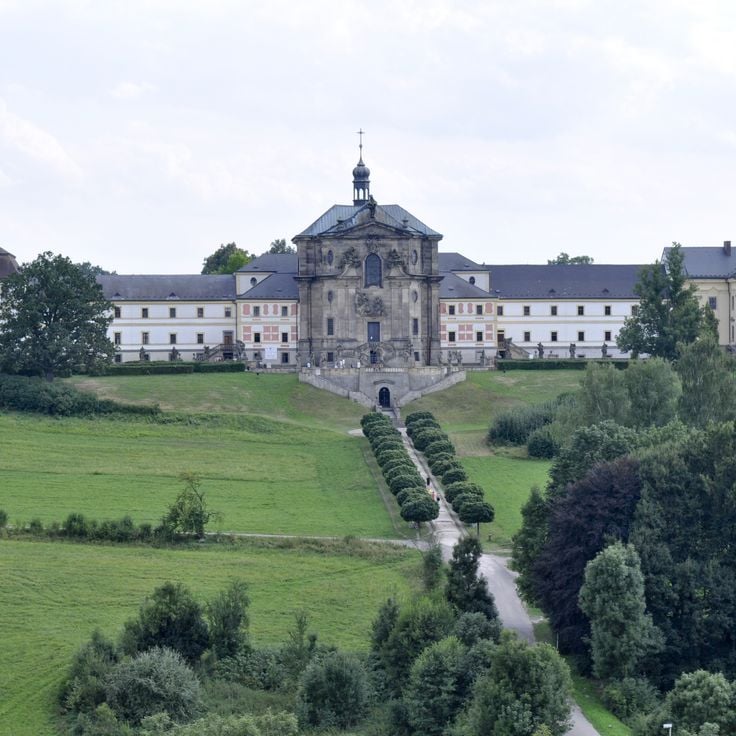
This hospital from the 18th century sits in the Hradec Králové Region and showcases the medical and artistic vision of its era. The Kuks Hospital complex includes a former medical facility with a pharmacy museum, a church, and remarkable statues carved by the sculptor Matthias Braun. These sculptures represent human virtues and vices, making them important artistic statements. The site reveals how medicine, faith, and art combined in a single place during the Baroque period.
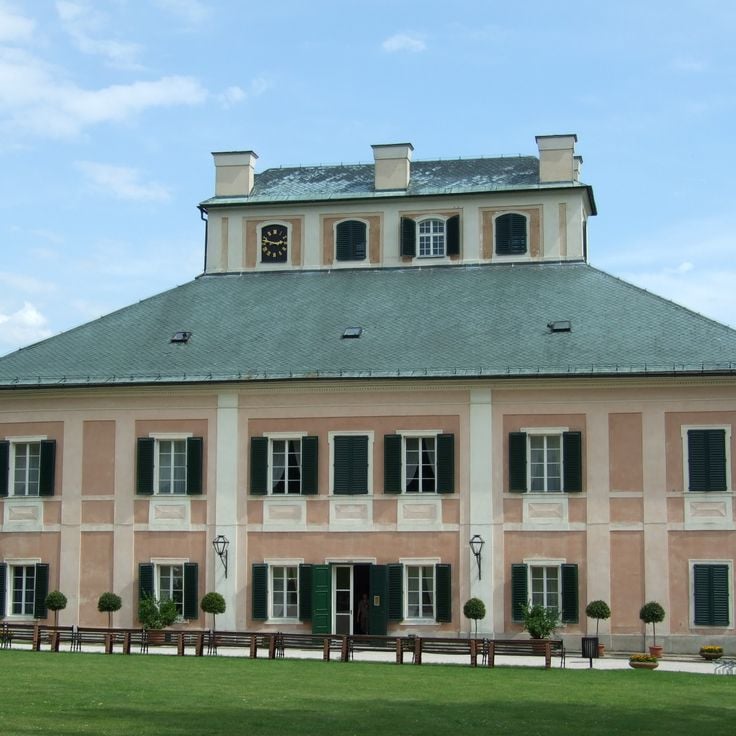
Ratibořice Chateau is an Empire style residence built in 1825, located in the Hradec Králové Region. It represents one of the notable destinations across the Czech Republic beyond Prague. The chateau displays period furnishings that show how people lived in the early 19th century. A kitchen garden surrounds the house on its grounds. The landscape here inspired the novel Babička by author Božena Němcová. Visitors can explore the rooms and learn about this place through its preserved spaces.
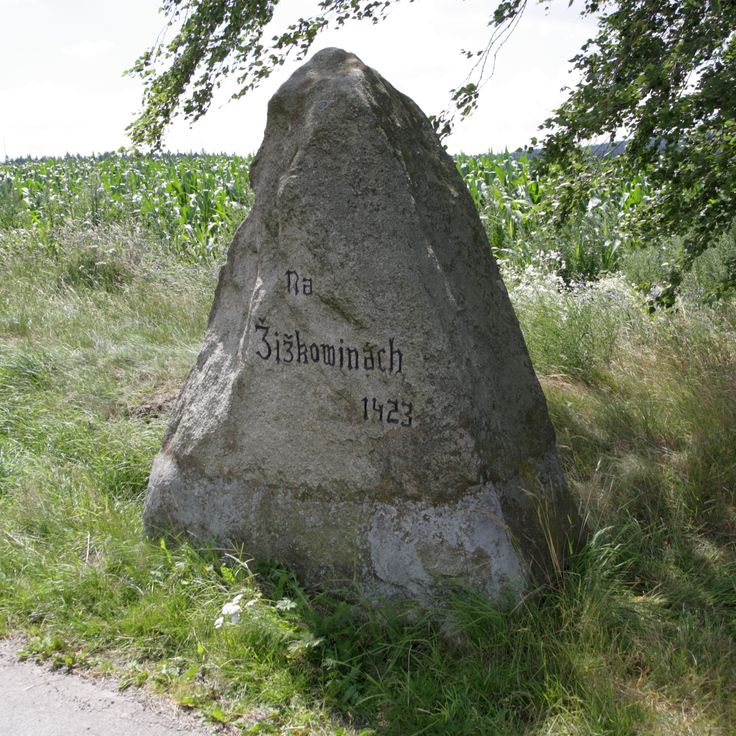
This monument is a bronze statue that commemorates the military commander who led the Hussite forces during the 15th century wars. As a historical site beyond Prague, it represents the medieval history and significant events that shaped the Czech Republic.
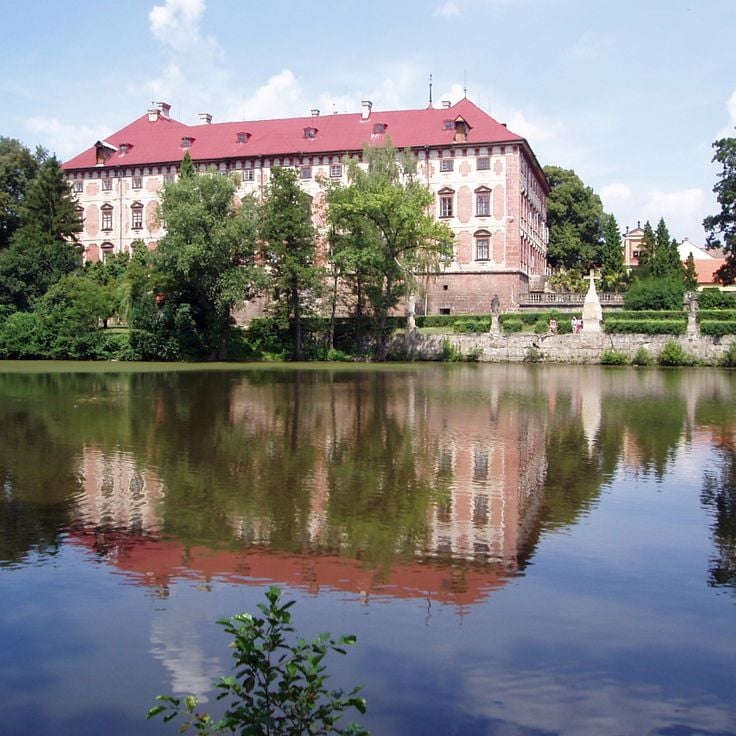
Built in 1683, Libochovice Chateau represents the kind of historical architecture found throughout the Czech Republic beyond Prague. The residence preserves original furniture and holds a significant collection of Chinese porcelain. The formal gardens feature geometric patterns and fountains that reflect the refined tastes of its time.
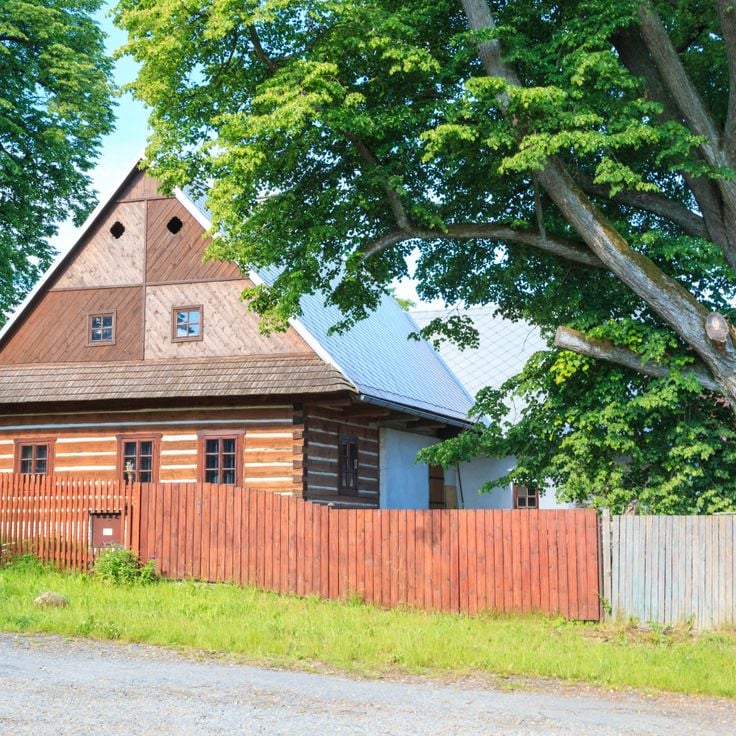
This historical Moravian settlement in the Pardubice Region preserves Easter traditions rooted in the Middle Ages. Each spring, locals perform ritual ceremonies while wearing period costumes, keeping alive the customs of this village. The place shows how ancient practices have survived through generations.
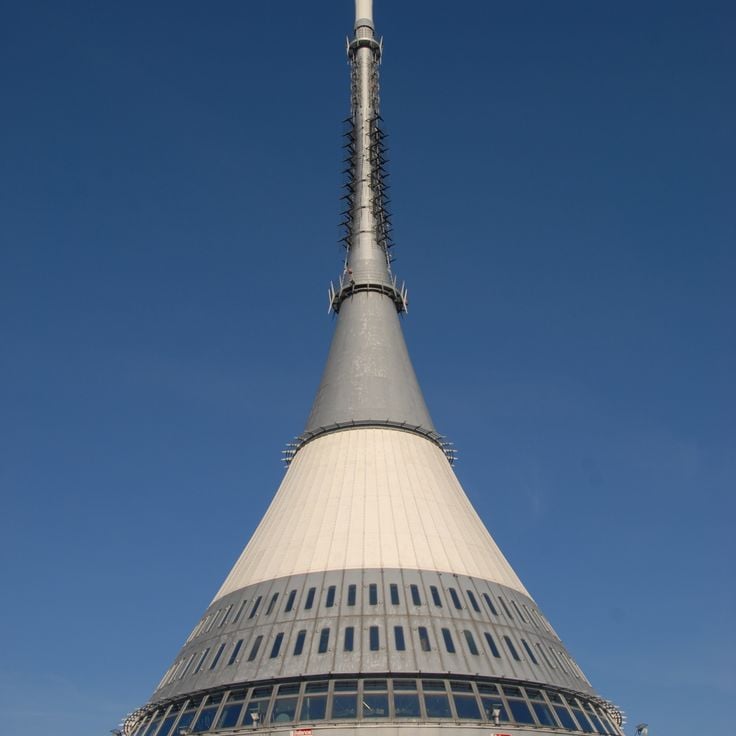
Ještěd Tower in the Liberec Region is a concrete structure built in 1973 at 3,300 feet (1012 meters) elevation. It functions as a television transmitter, hotel, and restaurant. From the top, visitors can see across the landscape toward Bohemian Switzerland and beyond. The tower shows how modern buildings can sit within the country's mountain terrain. It is one of many destinations outside Prague worth visiting.
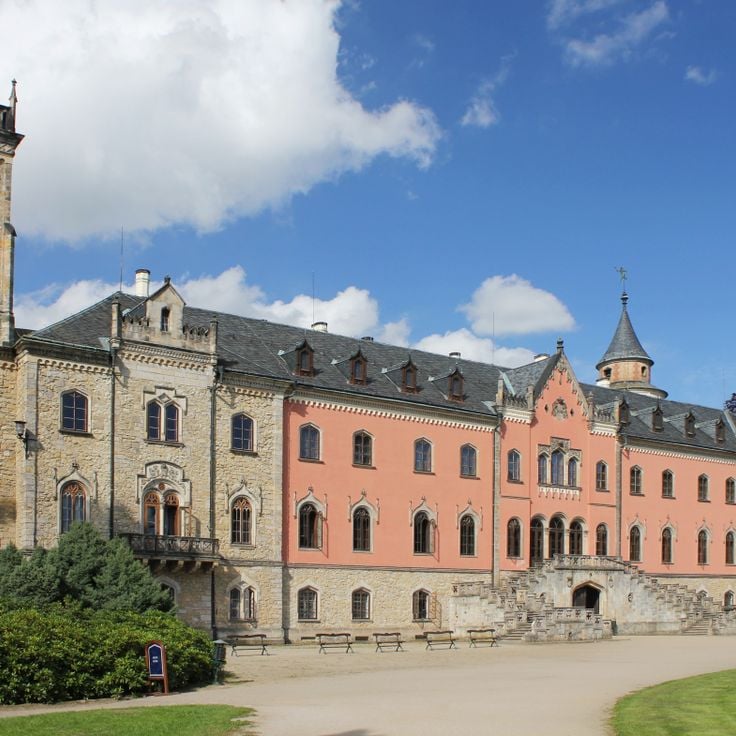
This Renaissance castle was built in 1568 and stands among the historical sites found throughout the Czech Republic beyond Prague. Its walls display geometric patterns created using the sgraffito technique, where layers of plaster are carved away to reveal contrasting colors beneath. UNESCO recognized Litomyšl Castle as a World Heritage Site in 1999. Visitors can explore the detailed decoration and experience the architectural style of the Renaissance period.
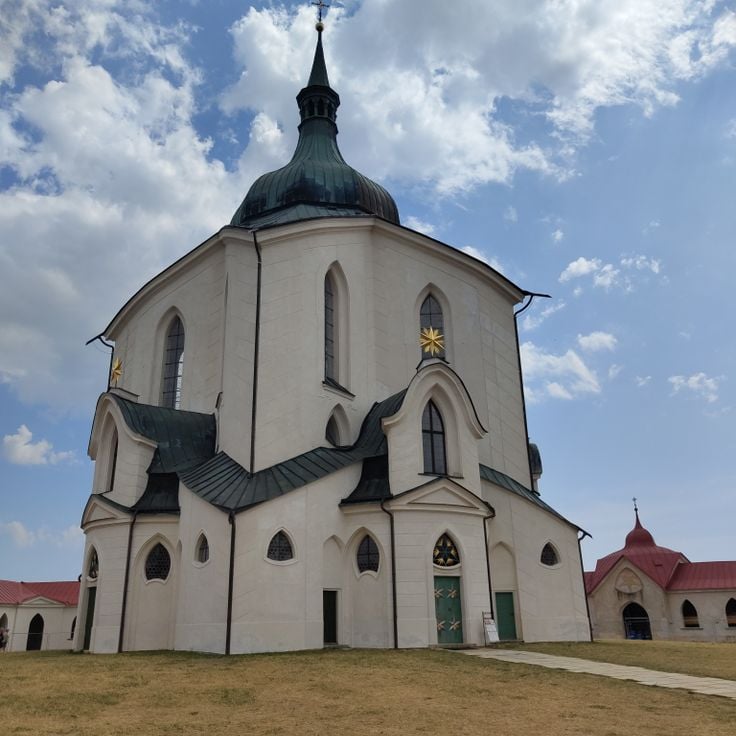
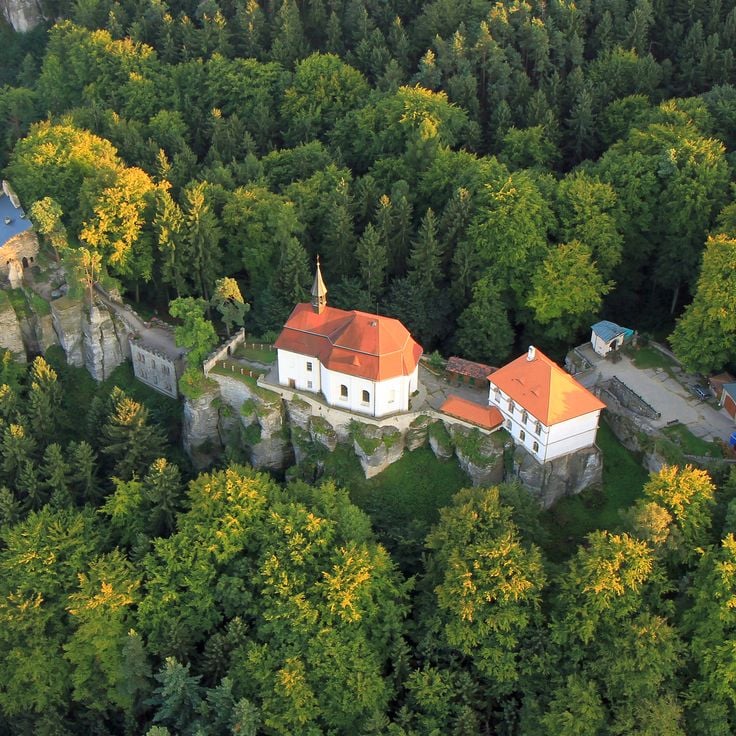
The St. John Nepomuk Chapel on Zelená Hora is a star-shaped church built between 1719 and 1722. It combines Gothic and Baroque architectural elements and stands at the summit of Zelená mountain. This chapel is part of the historical sites found across the Czech Republic outside Prague, where sandstone formations, castles, and cave systems sit alongside Renaissance chateaux, Baroque churches, and medieval fortresses.
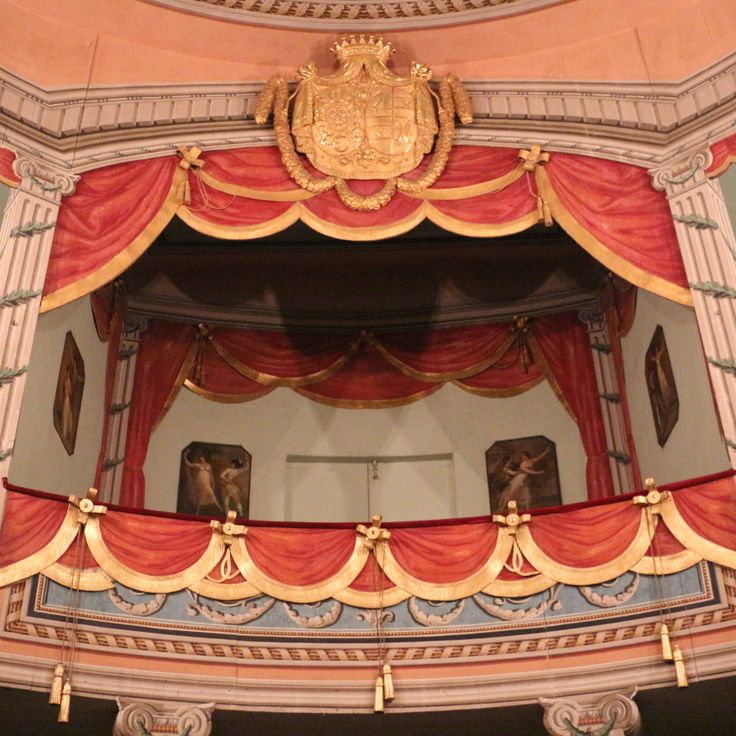
Zákupy Chateau is a neoclassical residence that represents the architecture found beyond Prague and shows how the Czech Republic's history extends far from its capital. The rooms inside follow the Empire style with period furniture and decorative ceiling paintings that catch your attention. The adjoining French garden with fountains provides space to walk and discover how wealthy families once lived.
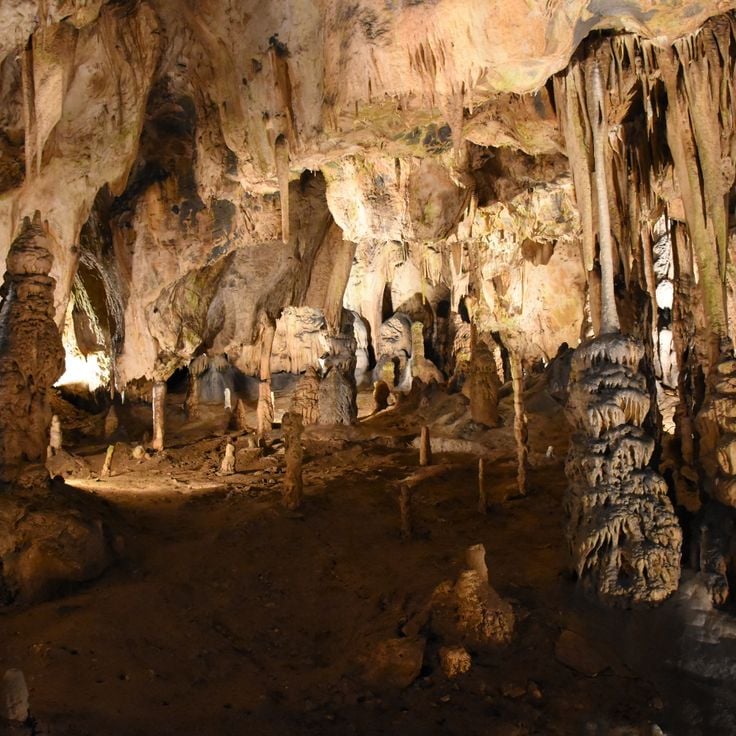
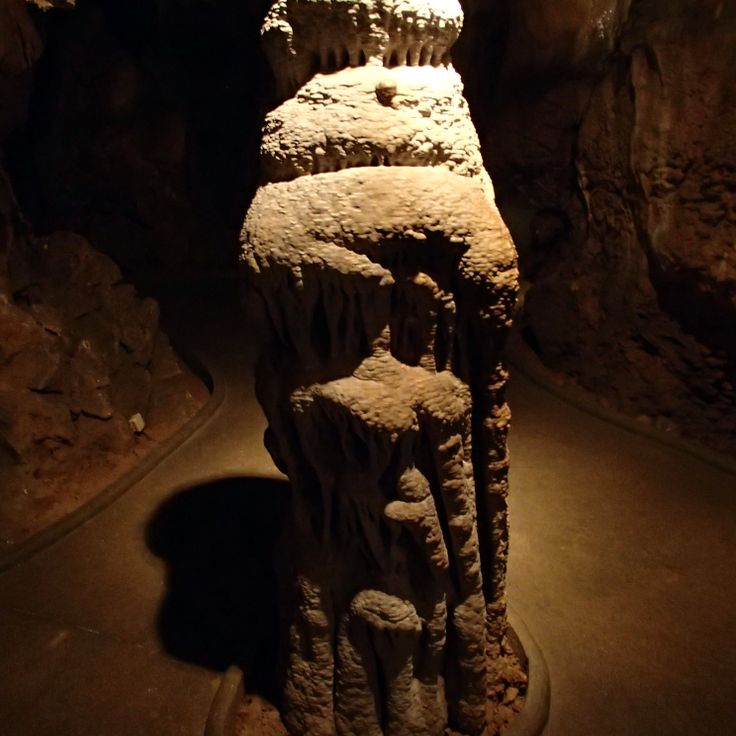
The Mladeč Caves are a limestone cave system in the Olomouc Region featuring multiple chambers with stalactites and stalagmites. These caves hold Paleolithic human remains and stone tools, offering insight into prehistoric life. As part of the Czech Republic's natural landmarks beyond Prague, they stand among the country's cave systems and historical sites worth exploring.
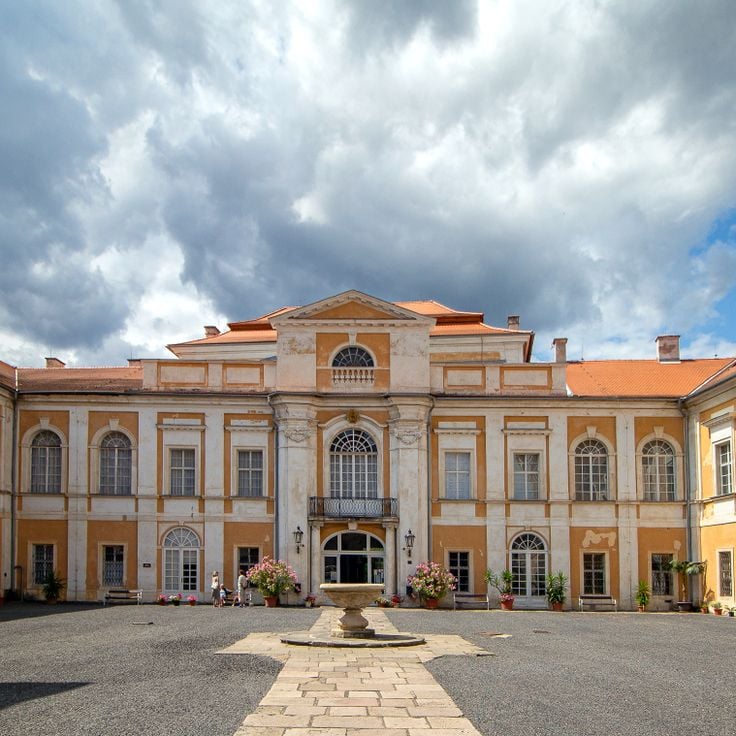
Duchcov Palace is a Baroque building in the Ústí nad Labem Region that represents the Czech Republic's historical sites beyond Prague. Inside are period furnishings and a library where the famous writer and adventurer Giacomo Casanova worked as a librarian from 1785 to 1798. The palace demonstrates how Czech historical landmarks extend throughout the country, from Renaissance chateaux to Baroque churches and medieval fortresses.
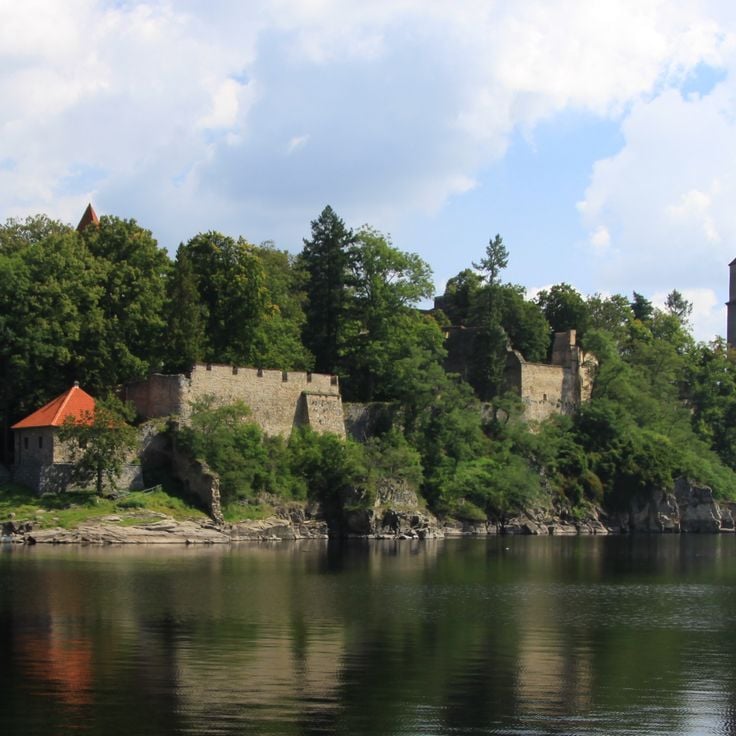
This castle is a medieval fortress standing on a promontory between the Vltava and Otava rivers. It represents one of many castles and fortifications found beyond Prague that shaped Czech history. The structure displays Gothic features and houses wall paintings from the 13th century.
This castle sits on a rocky outcrop about 50 meters above the Elbe River and commands views across the landscape. The medieval fortress blends Baroque and Renaissance elements in its buildings. Over 500 rose varieties grow in the castle gardens, making the place especially lovely during summer months. As one of many historical sites beyond Prague, Děčín Castle shows the rich past of the Czech Republic with its fortresses and chateaux.
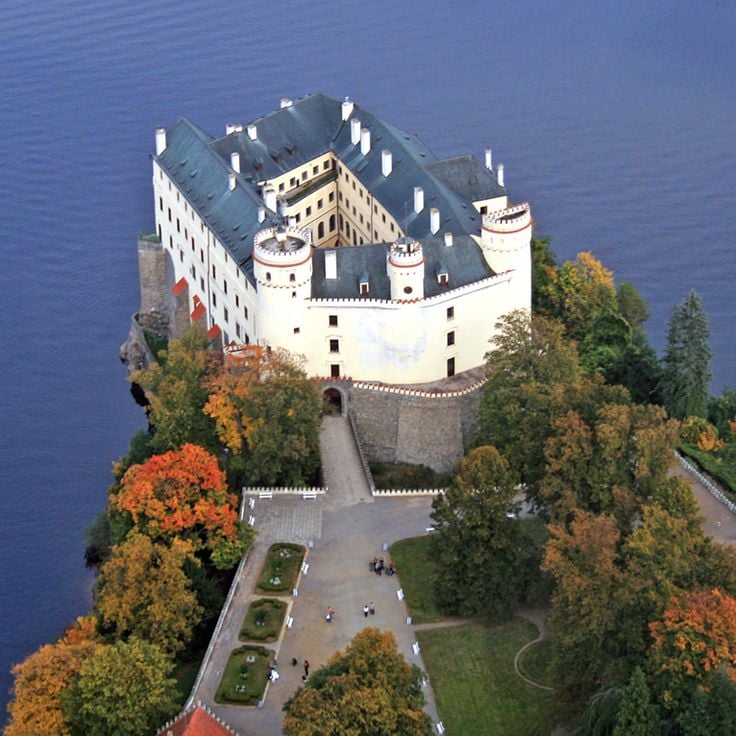
This castle was built in the 13th century on a rock above the Sázava River and reflects the architectural history of the region. The fortified complex combines Gothic and Renaissance elements with thick stone walls and round towers. This castle represents the many medieval fortresses found throughout the Czech Republic beyond Prague.
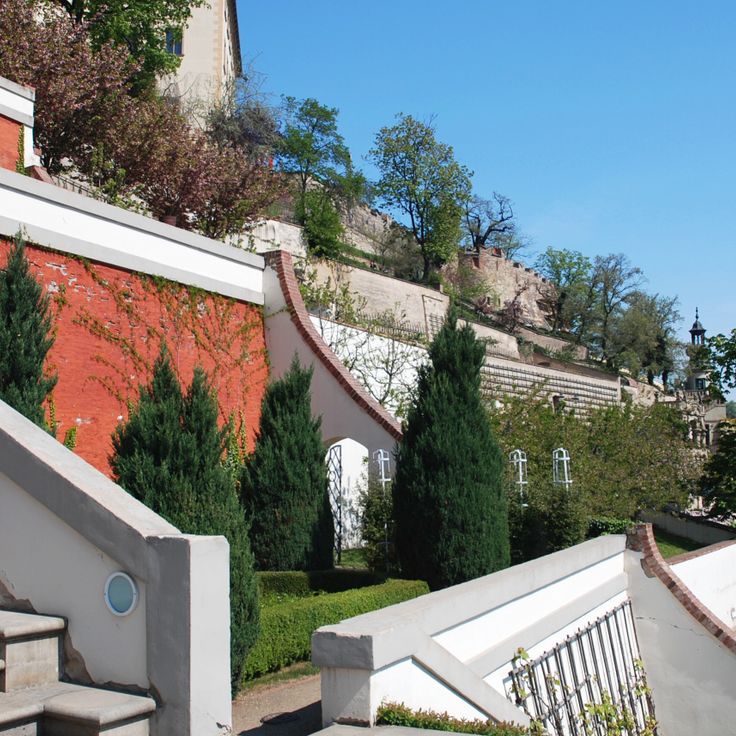
These Renaissance gardens below Prague Castle invite you to explore the historical gardens that stretch beyond Prague's central sights. The 16th century gardens terrace down the southern slope with fruit trees, ornamental plants and fountains, offering views of the Vltava River and connecting you to the country's rich tradition of Renaissance and Baroque design.
Sychrov Castle represents the historical treasures found throughout the Czech Republic beyond Prague. The castle holds carved wooden decorations and original furnishings from the 19th century. The surrounding park spans a substantial area and features rare trees and plant specimens that guide visitors through natural surroundings.
Valdštejn Castle demonstrates the medieval architecture found in the Czech Republic beyond Prague. This Gothic castle was built in the 13th century and stands on sandstone rocks surrounded by forests. The structure includes a chapel, a bridge, and defensive towers. Visitors can explore the historical fortifications and enjoy the mountain landscape.
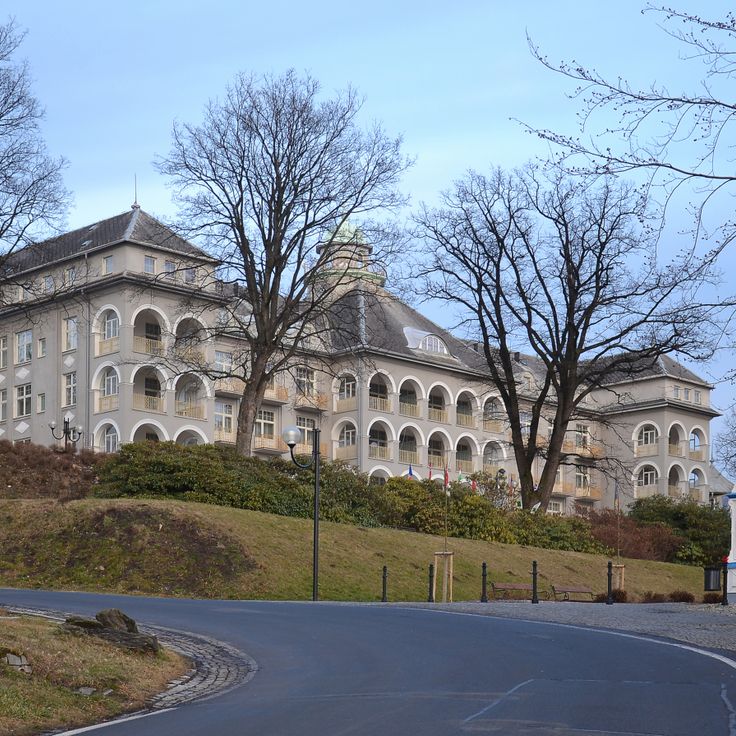
This mountain spa was established in 1822 by Vincenz Priessnitz and represents one of the Czech Republic's health resorts beyond Prague. Jeseník offers hydrotherapy treatments using mineral water from local springs at 800 meters elevation. The town demonstrates how the country harnesses natural resources for wellness alongside its castles, caves, and historical sites.
Křivoklát Castle is a medieval fortress from the 12th century and represents the Gothic architecture found in the Czech Republic beyond Prague. The castle features a Gothic chapel, a royal hall, and a library. Visitors can see hunting trophy collections and learn about the history of this important royal stronghold.
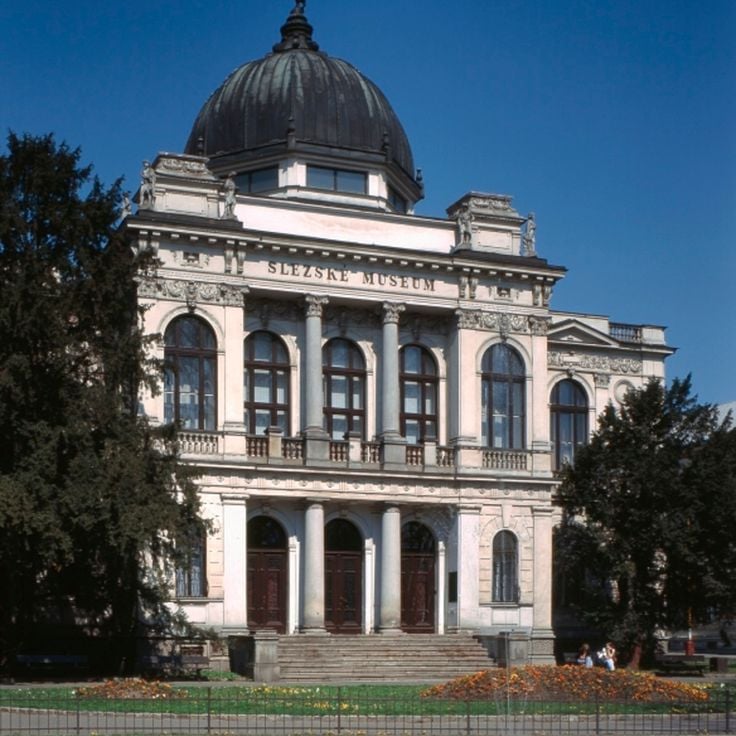
This museum documents the cultural development of the region over centuries. As part of exploring hidden destinations in the Czech Republic beyond Prague, the Silesian Museum houses geological specimens, historical artifacts, and art collections that reveal the history and heritage of the Moravian-Silesian Region. Founded in 1814, it provides insight into how this area developed through different periods.
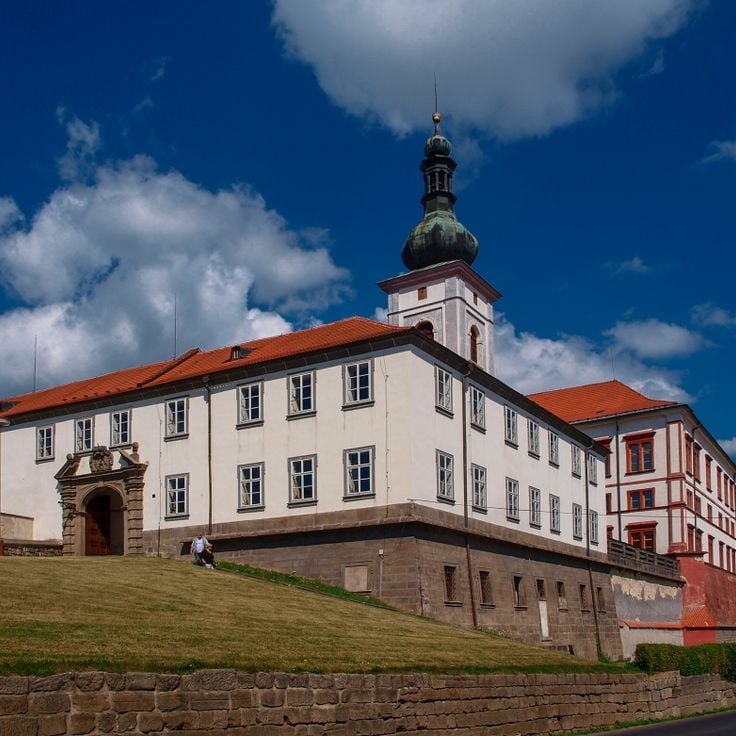
This medieval fortress from the 14th century stands in the Olomouc Region as part of the Czech Republic's varied historical sites beyond Prague. The castle has served as a filming location for historical movies and contains original furnishings from different periods. Walking through its rooms, you see how people lived in earlier centuries and experience the everyday life of the past.
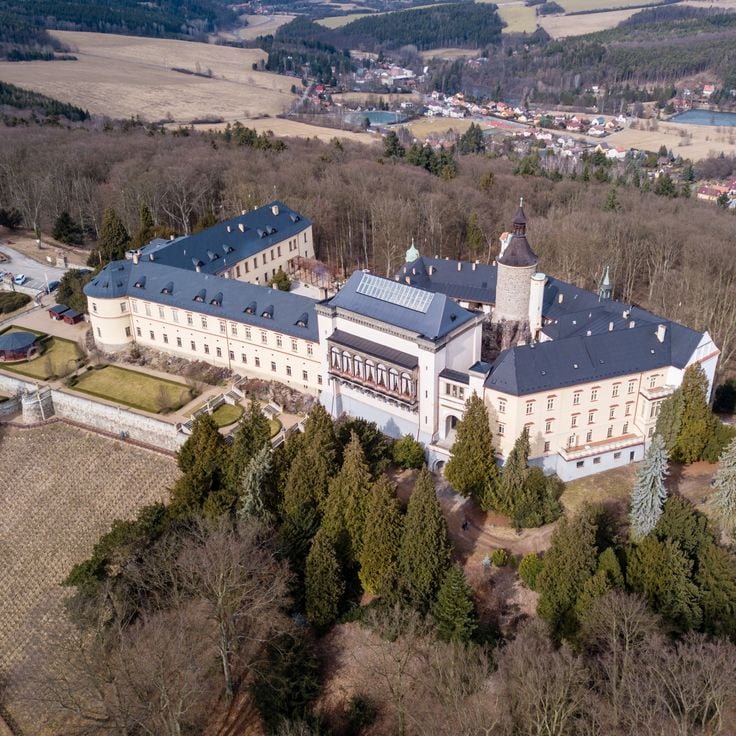
Zbiroh Castle in the Plzeň Region is part of the historical sites found across the Czech Republic beyond Prague. This 13th-century fortress blends Romanesque, Gothic and Renaissance architectural styles. The castle is notable for its exceptionally deep water well, which descends 163 meters below ground. As one of the country's medieval fortifications, it offers insight into the region's past.
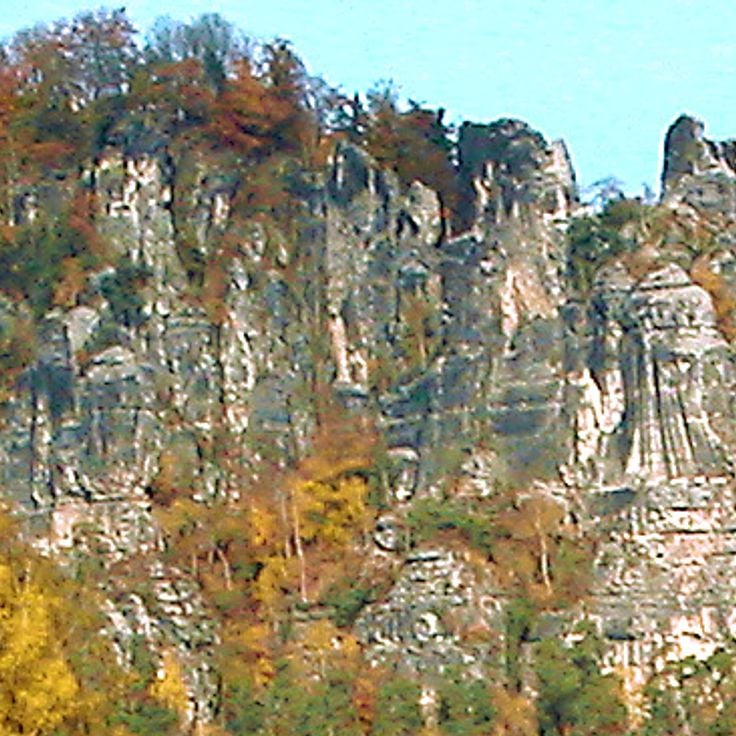
The Elbe Sandstones are natural rock formations that line the Elbe River in the Ústí nad Labem Region and represent part of the Czech Republic's diverse geological wonders outside Prague. These sandstone cliffs create a scenic canyon with established hiking routes and observation points at heights reaching 700 meters, offering views across the river and surrounding landscape.
This castle rises on a rock above the Vltava River and displays Gothic and Renaissance architecture. It is part of the historical sites in the Czech Republic that exist beyond Prague. The fortress holds a collection of historical weapons and gives visitors a look into the region's past.
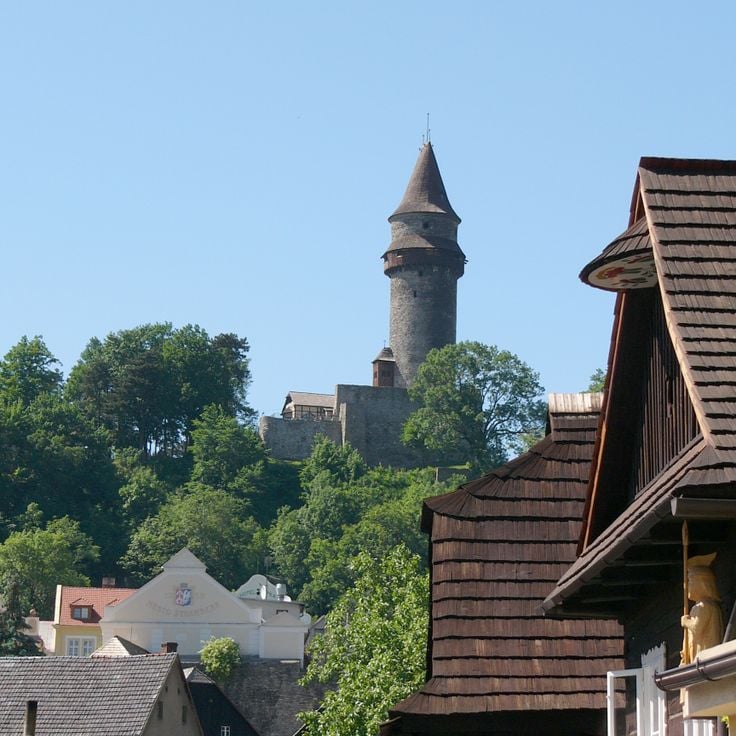
The Stramberk Towers are two stone towers from a 13th-century castle complex, part of the hidden destinations in the Czech Republic beyond Prague. These towers rise about 40 meters above the town of Štramberk and offer views of the mountain landscape in the Moravian-Silesian Region.
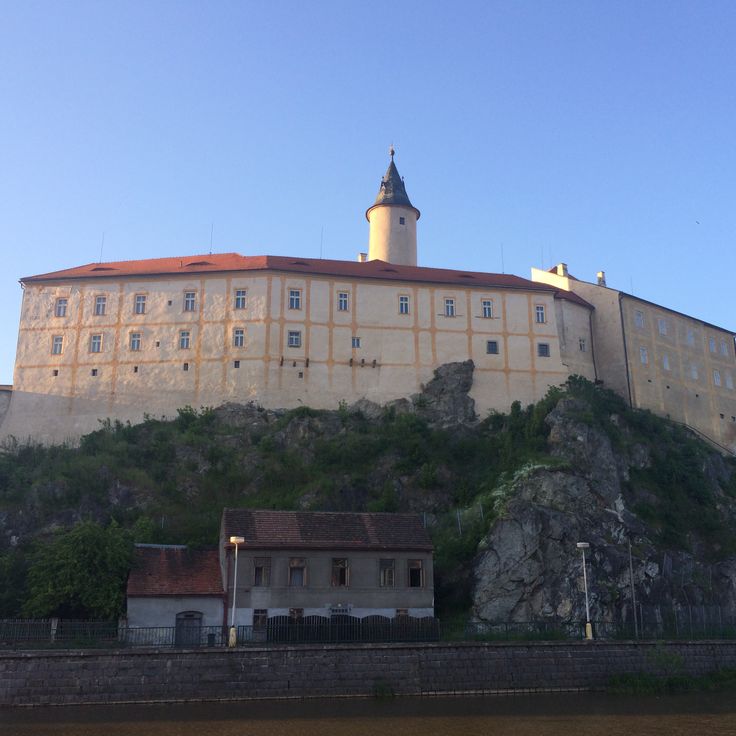
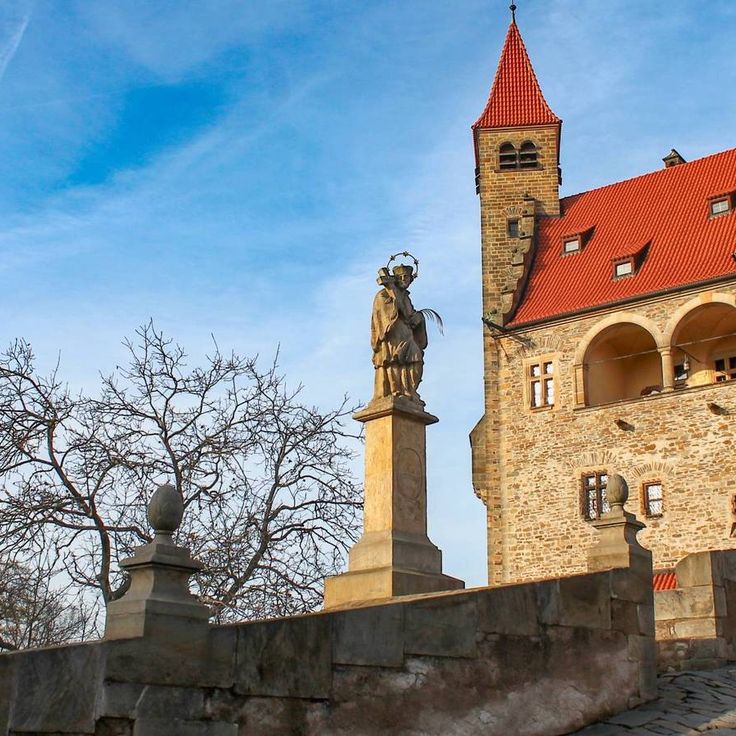
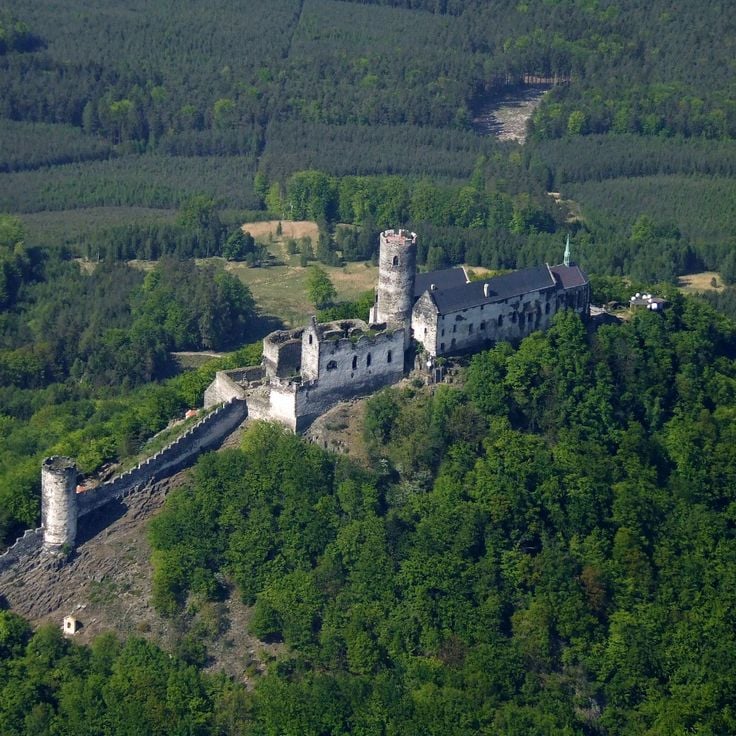
Castle Bezděz is a Gothic fortress built in 1264 and perched on a hill 604 meters (1,981 feet) above sea level. This castle stands among the historical destinations throughout the Czech Republic that reveal the country's medieval past beyond Prague. Its stone towers and royal palace showcase the defensive architecture of the era. The site gives visitors a sense of how fortifications were constructed and positioned in the landscape of the Liberec Region.
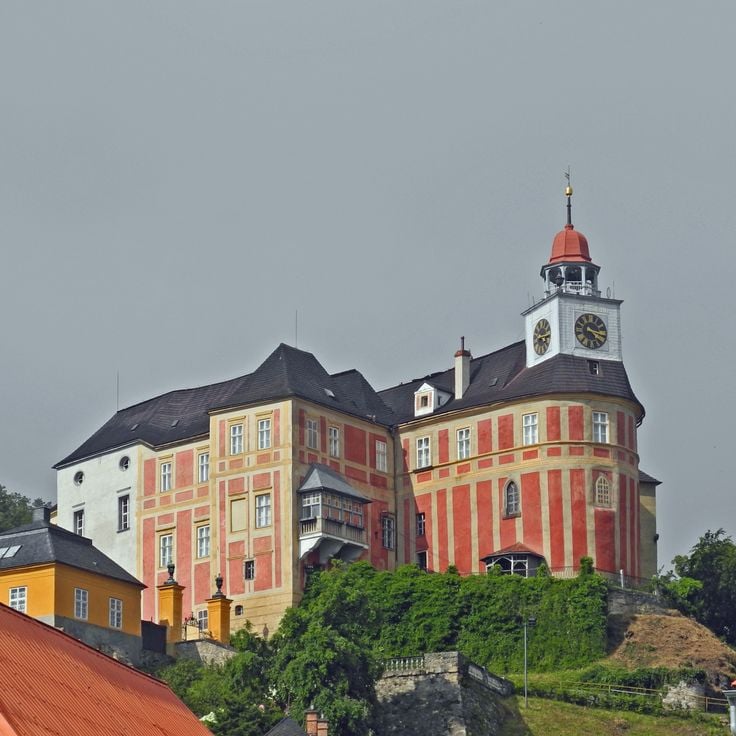
Jánský Vrch Castle was a bishops' residence built in the 13th century in Javorník. The castle displays period furniture, a collection of smoking pipes, and decorated ceilings. As one of the hidden destinations in the Czech Republic beyond Prague, this historical site offers a window into the medieval life of church leaders.
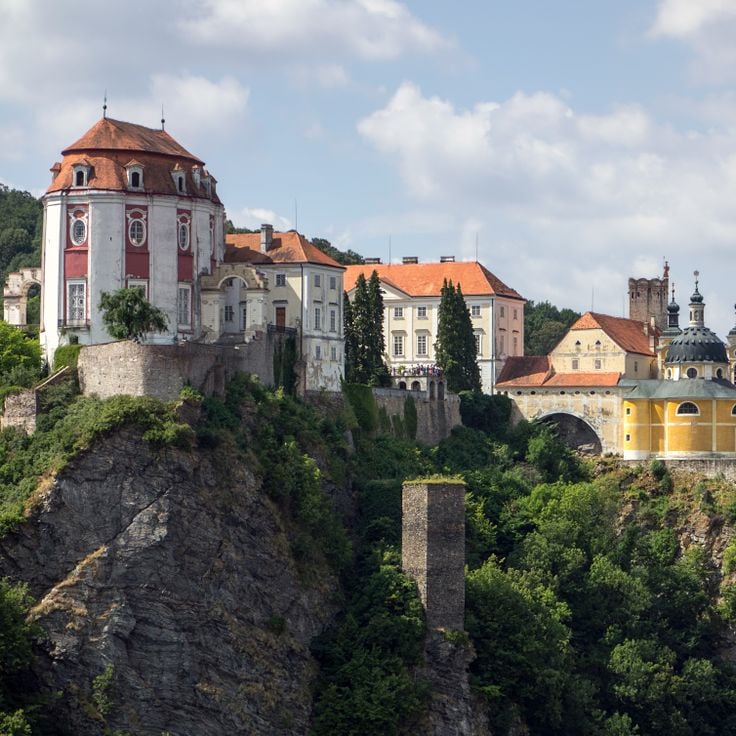
This Baroque palace sits on a rock above the Dyje River and represents one of the Czech Republic's notable castles outside Prague. The chateau contains ceremonial halls filled with period furnishings and an oval ancestral hall that reflects the grandeur of Baroque design. Visitors can explore how nobility lived in this region during the 17th and 18th centuries.
Hruboskalsko Rock City in the Liberec Region displays massive sandstone towers reaching 60 meters in height. These rock formations spread across a large area and feature marked paths between the characteristic towers. Visitors can hike through the landscape and experience these unusual formations up close. This nature reserve is part of the Czech Republic's varied natural landmarks beyond Prague, where rock formations and karst landscapes offer many opportunities for outdoor exploration.
Velke Amerika Quarry is a former mining site in the Central Bohemian Region that represents the natural landmarks found throughout the Czech Republic beyond Prague. This excavated site contains a lake with clear water that has formed in the abandoned quarry, showcasing the limestone geology of the area. The site reflects both the region's geological character and its history of extraction industries.
This baroque pilgrimage church from the 18th century stands on a hilltop in the South Moravian Region and represents the religious heritage found beyond Prague. The building features ornate altar decorations and painted ceilings that reflect the artistic traditions of the baroque period.
The Sloup-Šošůvka Caves are part of the hidden destinations the Czech Republic offers beyond Prague. This underground complex winds through limestone formations with multiple levels and passages where visitors can explore prehistoric archaeological sites. The caves represent one of the country's notable natural landmarks, alongside sandstone arches, castles, and cave systems that reveal the region's geological history.
Jindřichův Hradec Castle is a medieval fortress in the South Bohemian Region and represents the rich history of the Czech Republic beyond Prague. The castle preserves original furnishings from the 16th century and sits beside a large pond within landscaped gardens. This location embodies the blend of history and nature that characterizes exploration outside the capital.
Devil's Wall is a natural sandstone formation that stretches for several kilometers and represents one of the country's notable rock features beyond Prague. This wall displays unusual rock shapes created by erosion over millions of years. It offers visitors a chance to explore the geological history of the region and observe the natural forces that have shaped the landscape.
Kokořín Castle belongs to the historical fortresses found beyond Prague that reflect the Czech Republic's rich past. Built in the 14th century, this stone fortress stands on a sandstone rock surrounded by pine forests and protected natural areas in the Central Bohemian Region.
The Pravčická Archway is a sandstone rock formation in the national park that showcases the natural beauty of Bohemian Switzerland beyond Prague. This structure formed over millions of years through wind and water erosion and stands as one of the largest natural monuments of its kind in Europe. The arch rises prominently and creates a striking frame for the surrounding landscape. Visitors can see the geological layers that tell the region's history. The location draws people who love wild rock formations and open-air settings.
This hospital from the 18th century sits in the Hradec Králové Region and showcases the medical and artistic vision of its era. The Kuks Hospital complex includes a former medical facility with a pharmacy museum, a church, and remarkable statues carved by the sculptor Matthias Braun. These sculptures represent human virtues and vices, making them important artistic statements. The site reveals how medicine, faith, and art combined in a single place during the Baroque period.
Ratibořice Chateau is an Empire style residence built in 1825, located in the Hradec Králové Region. It represents one of the notable destinations across the Czech Republic beyond Prague. The chateau displays period furnishings that show how people lived in the early 19th century. A kitchen garden surrounds the house on its grounds. The landscape here inspired the novel Babička by author Božena Němcová. Visitors can explore the rooms and learn about this place through its preserved spaces.
This monument is a bronze statue that commemorates the military commander who led the Hussite forces during the 15th century wars. As a historical site beyond Prague, it represents the medieval history and significant events that shaped the Czech Republic.
Built in 1683, Libochovice Chateau represents the kind of historical architecture found throughout the Czech Republic beyond Prague. The residence preserves original furniture and holds a significant collection of Chinese porcelain. The formal gardens feature geometric patterns and fountains that reflect the refined tastes of its time.
This historical Moravian settlement in the Pardubice Region preserves Easter traditions rooted in the Middle Ages. Each spring, locals perform ritual ceremonies while wearing period costumes, keeping alive the customs of this village. The place shows how ancient practices have survived through generations.
Ještěd Tower in the Liberec Region is a concrete structure built in 1973 at 3,300 feet (1012 meters) elevation. It functions as a television transmitter, hotel, and restaurant. From the top, visitors can see across the landscape toward Bohemian Switzerland and beyond. The tower shows how modern buildings can sit within the country's mountain terrain. It is one of many destinations outside Prague worth visiting.
This Renaissance castle was built in 1568 and stands among the historical sites found throughout the Czech Republic beyond Prague. Its walls display geometric patterns created using the sgraffito technique, where layers of plaster are carved away to reveal contrasting colors beneath. UNESCO recognized Litomyšl Castle as a World Heritage Site in 1999. Visitors can explore the detailed decoration and experience the architectural style of the Renaissance period.
The St. John Nepomuk Chapel on Zelená Hora is a star-shaped church built between 1719 and 1722. It combines Gothic and Baroque architectural elements and stands at the summit of Zelená mountain. This chapel is part of the historical sites found across the Czech Republic outside Prague, where sandstone formations, castles, and cave systems sit alongside Renaissance chateaux, Baroque churches, and medieval fortresses.
Zákupy Chateau is a neoclassical residence that represents the architecture found beyond Prague and shows how the Czech Republic's history extends far from its capital. The rooms inside follow the Empire style with period furniture and decorative ceiling paintings that catch your attention. The adjoining French garden with fountains provides space to walk and discover how wealthy families once lived.
The Mladeč Caves are a limestone cave system in the Olomouc Region featuring multiple chambers with stalactites and stalagmites. These caves hold Paleolithic human remains and stone tools, offering insight into prehistoric life. As part of the Czech Republic's natural landmarks beyond Prague, they stand among the country's cave systems and historical sites worth exploring.
Duchcov Palace is a Baroque building in the Ústí nad Labem Region that represents the Czech Republic's historical sites beyond Prague. Inside are period furnishings and a library where the famous writer and adventurer Giacomo Casanova worked as a librarian from 1785 to 1798. The palace demonstrates how Czech historical landmarks extend throughout the country, from Renaissance chateaux to Baroque churches and medieval fortresses.
This castle is a medieval fortress standing on a promontory between the Vltava and Otava rivers. It represents one of many castles and fortifications found beyond Prague that shaped Czech history. The structure displays Gothic features and houses wall paintings from the 13th century.
This castle sits on a rocky outcrop about 50 meters above the Elbe River and commands views across the landscape. The medieval fortress blends Baroque and Renaissance elements in its buildings. Over 500 rose varieties grow in the castle gardens, making the place especially lovely during summer months. As one of many historical sites beyond Prague, Děčín Castle shows the rich past of the Czech Republic with its fortresses and chateaux.
This castle was built in the 13th century on a rock above the Sázava River and reflects the architectural history of the region. The fortified complex combines Gothic and Renaissance elements with thick stone walls and round towers. This castle represents the many medieval fortresses found throughout the Czech Republic beyond Prague.
These Renaissance gardens below Prague Castle invite you to explore the historical gardens that stretch beyond Prague's central sights. The 16th century gardens terrace down the southern slope with fruit trees, ornamental plants and fountains, offering views of the Vltava River and connecting you to the country's rich tradition of Renaissance and Baroque design.
Sychrov Castle represents the historical treasures found throughout the Czech Republic beyond Prague. The castle holds carved wooden decorations and original furnishings from the 19th century. The surrounding park spans a substantial area and features rare trees and plant specimens that guide visitors through natural surroundings.
Valdštejn Castle demonstrates the medieval architecture found in the Czech Republic beyond Prague. This Gothic castle was built in the 13th century and stands on sandstone rocks surrounded by forests. The structure includes a chapel, a bridge, and defensive towers. Visitors can explore the historical fortifications and enjoy the mountain landscape.
This mountain spa was established in 1822 by Vincenz Priessnitz and represents one of the Czech Republic's health resorts beyond Prague. Jeseník offers hydrotherapy treatments using mineral water from local springs at 800 meters elevation. The town demonstrates how the country harnesses natural resources for wellness alongside its castles, caves, and historical sites.
Křivoklát Castle is a medieval fortress from the 12th century and represents the Gothic architecture found in the Czech Republic beyond Prague. The castle features a Gothic chapel, a royal hall, and a library. Visitors can see hunting trophy collections and learn about the history of this important royal stronghold.
This museum documents the cultural development of the region over centuries. As part of exploring hidden destinations in the Czech Republic beyond Prague, the Silesian Museum houses geological specimens, historical artifacts, and art collections that reveal the history and heritage of the Moravian-Silesian Region. Founded in 1814, it provides insight into how this area developed through different periods.
This medieval fortress from the 14th century stands in the Olomouc Region as part of the Czech Republic's varied historical sites beyond Prague. The castle has served as a filming location for historical movies and contains original furnishings from different periods. Walking through its rooms, you see how people lived in earlier centuries and experience the everyday life of the past.
Zbiroh Castle in the Plzeň Region is part of the historical sites found across the Czech Republic beyond Prague. This 13th-century fortress blends Romanesque, Gothic and Renaissance architectural styles. The castle is notable for its exceptionally deep water well, which descends 163 meters below ground. As one of the country's medieval fortifications, it offers insight into the region's past.
The Elbe Sandstones are natural rock formations that line the Elbe River in the Ústí nad Labem Region and represent part of the Czech Republic's diverse geological wonders outside Prague. These sandstone cliffs create a scenic canyon with established hiking routes and observation points at heights reaching 700 meters, offering views across the river and surrounding landscape.
This castle rises on a rock above the Vltava River and displays Gothic and Renaissance architecture. It is part of the historical sites in the Czech Republic that exist beyond Prague. The fortress holds a collection of historical weapons and gives visitors a look into the region's past.
The Stramberk Towers are two stone towers from a 13th-century castle complex, part of the hidden destinations in the Czech Republic beyond Prague. These towers rise about 40 meters above the town of Štramberk and offer views of the mountain landscape in the Moravian-Silesian Region.
Castle Bezděz is a Gothic fortress built in 1264 and perched on a hill 604 meters (1,981 feet) above sea level. This castle stands among the historical destinations throughout the Czech Republic that reveal the country's medieval past beyond Prague. Its stone towers and royal palace showcase the defensive architecture of the era. The site gives visitors a sense of how fortifications were constructed and positioned in the landscape of the Liberec Region.
Jánský Vrch Castle was a bishops' residence built in the 13th century in Javorník. The castle displays period furniture, a collection of smoking pipes, and decorated ceilings. As one of the hidden destinations in the Czech Republic beyond Prague, this historical site offers a window into the medieval life of church leaders.
This Baroque palace sits on a rock above the Dyje River and represents one of the Czech Republic's notable castles outside Prague. The chateau contains ceremonial halls filled with period furnishings and an oval ancestral hall that reflects the grandeur of Baroque design. Visitors can explore how nobility lived in this region during the 17th and 18th centuries.
Hruboskalsko Rock City in the Liberec Region displays massive sandstone towers reaching 60 meters in height. These rock formations spread across a large area and feature marked paths between the characteristic towers. Visitors can hike through the landscape and experience these unusual formations up close. This nature reserve is part of the Czech Republic's varied natural landmarks beyond Prague, where rock formations and karst landscapes offer many opportunities for outdoor exploration.
Velke Amerika Quarry is a former mining site in the Central Bohemian Region that represents the natural landmarks found throughout the Czech Republic beyond Prague. This excavated site contains a lake with clear water that has formed in the abandoned quarry, showcasing the limestone geology of the area. The site reflects both the region's geological character and its history of extraction industries.
This baroque pilgrimage church from the 18th century stands on a hilltop in the South Moravian Region and represents the religious heritage found beyond Prague. The building features ornate altar decorations and painted ceilings that reflect the artistic traditions of the baroque period.
The Sloup-Šošůvka Caves are part of the hidden destinations the Czech Republic offers beyond Prague. This underground complex winds through limestone formations with multiple levels and passages where visitors can explore prehistoric archaeological sites. The caves represent one of the country's notable natural landmarks, alongside sandstone arches, castles, and cave systems that reveal the region's geological history.
Jindřichův Hradec Castle is a medieval fortress in the South Bohemian Region and represents the rich history of the Czech Republic beyond Prague. The castle preserves original furnishings from the 16th century and sits beside a large pond within landscaped gardens. This location embodies the blend of history and nature that characterizes exploration outside the capital.
Devil's Wall is a natural sandstone formation that stretches for several kilometers and represents one of the country's notable rock features beyond Prague. This wall displays unusual rock shapes created by erosion over millions of years. It offers visitors a chance to explore the geological history of the region and observe the natural forces that have shaped the landscape.
Kokořín Castle belongs to the historical fortresses found beyond Prague that reflect the Czech Republic's rich past. Built in the 14th century, this stone fortress stands on a sandstone rock surrounded by pine forests and protected natural areas in the Central Bohemian Region.
The Pravčická Archway is a sandstone rock formation in the national park that showcases the natural beauty of Bohemian Switzerland beyond Prague. This structure formed over millions of years through wind and water erosion and stands as one of the largest natural monuments of its kind in Europe. The arch rises prominently and creates a striking frame for the surrounding landscape. Visitors can see the geological layers that tell the region's history. The location draws people who love wild rock formations and open-air settings.
This hospital from the 18th century sits in the Hradec Králové Region and showcases the medical and artistic vision of its era. The Kuks Hospital complex includes a former medical facility with a pharmacy museum, a church, and remarkable statues carved by the sculptor Matthias Braun. These sculptures represent human virtues and vices, making them important artistic statements. The site reveals how medicine, faith, and art combined in a single place during the Baroque period.
Ratibořice Chateau is an Empire style residence built in 1825, located in the Hradec Králové Region. It represents one of the notable destinations across the Czech Republic beyond Prague. The chateau displays period furnishings that show how people lived in the early 19th century. A kitchen garden surrounds the house on its grounds. The landscape here inspired the novel Babička by author Božena Němcová. Visitors can explore the rooms and learn about this place through its preserved spaces.
This monument is a bronze statue that commemorates the military commander who led the Hussite forces during the 15th century wars. As a historical site beyond Prague, it represents the medieval history and significant events that shaped the Czech Republic.
Built in 1683, Libochovice Chateau represents the kind of historical architecture found throughout the Czech Republic beyond Prague. The residence preserves original furniture and holds a significant collection of Chinese porcelain. The formal gardens feature geometric patterns and fountains that reflect the refined tastes of its time.
This historical Moravian settlement in the Pardubice Region preserves Easter traditions rooted in the Middle Ages. Each spring, locals perform ritual ceremonies while wearing period costumes, keeping alive the customs of this village. The place shows how ancient practices have survived through generations.
Ještěd Tower in the Liberec Region is a concrete structure built in 1973 at 3,300 feet (1012 meters) elevation. It functions as a television transmitter, hotel, and restaurant. From the top, visitors can see across the landscape toward Bohemian Switzerland and beyond. The tower shows how modern buildings can sit within the country's mountain terrain. It is one of many destinations outside Prague worth visiting.
This Renaissance castle was built in 1568 and stands among the historical sites found throughout the Czech Republic beyond Prague. Its walls display geometric patterns created using the sgraffito technique, where layers of plaster are carved away to reveal contrasting colors beneath. UNESCO recognized Litomyšl Castle as a World Heritage Site in 1999. Visitors can explore the detailed decoration and experience the architectural style of the Renaissance period.
The St. John Nepomuk Chapel on Zelená Hora is a star-shaped church built between 1719 and 1722. It combines Gothic and Baroque architectural elements and stands at the summit of Zelená mountain. This chapel is part of the historical sites found across the Czech Republic outside Prague, where sandstone formations, castles, and cave systems sit alongside Renaissance chateaux, Baroque churches, and medieval fortresses.
Zákupy Chateau is a neoclassical residence that represents the architecture found beyond Prague and shows how the Czech Republic's history extends far from its capital. The rooms inside follow the Empire style with period furniture and decorative ceiling paintings that catch your attention. The adjoining French garden with fountains provides space to walk and discover how wealthy families once lived.
The Mladeč Caves are a limestone cave system in the Olomouc Region featuring multiple chambers with stalactites and stalagmites. These caves hold Paleolithic human remains and stone tools, offering insight into prehistoric life. As part of the Czech Republic's natural landmarks beyond Prague, they stand among the country's cave systems and historical sites worth exploring.
Duchcov Palace is a Baroque building in the Ústí nad Labem Region that represents the Czech Republic's historical sites beyond Prague. Inside are period furnishings and a library where the famous writer and adventurer Giacomo Casanova worked as a librarian from 1785 to 1798. The palace demonstrates how Czech historical landmarks extend throughout the country, from Renaissance chateaux to Baroque churches and medieval fortresses.
This castle is a medieval fortress standing on a promontory between the Vltava and Otava rivers. It represents one of many castles and fortifications found beyond Prague that shaped Czech history. The structure displays Gothic features and houses wall paintings from the 13th century.
This castle sits on a rocky outcrop about 50 meters above the Elbe River and commands views across the landscape. The medieval fortress blends Baroque and Renaissance elements in its buildings. Over 500 rose varieties grow in the castle gardens, making the place especially lovely during summer months. As one of many historical sites beyond Prague, Děčín Castle shows the rich past of the Czech Republic with its fortresses and chateaux.
This castle was built in the 13th century on a rock above the Sázava River and reflects the architectural history of the region. The fortified complex combines Gothic and Renaissance elements with thick stone walls and round towers. This castle represents the many medieval fortresses found throughout the Czech Republic beyond Prague.
These Renaissance gardens below Prague Castle invite you to explore the historical gardens that stretch beyond Prague's central sights. The 16th century gardens terrace down the southern slope with fruit trees, ornamental plants and fountains, offering views of the Vltava River and connecting you to the country's rich tradition of Renaissance and Baroque design.
Sychrov Castle represents the historical treasures found throughout the Czech Republic beyond Prague. The castle holds carved wooden decorations and original furnishings from the 19th century. The surrounding park spans a substantial area and features rare trees and plant specimens that guide visitors through natural surroundings.
Valdštejn Castle demonstrates the medieval architecture found in the Czech Republic beyond Prague. This Gothic castle was built in the 13th century and stands on sandstone rocks surrounded by forests. The structure includes a chapel, a bridge, and defensive towers. Visitors can explore the historical fortifications and enjoy the mountain landscape.
This mountain spa was established in 1822 by Vincenz Priessnitz and represents one of the Czech Republic's health resorts beyond Prague. Jeseník offers hydrotherapy treatments using mineral water from local springs at 800 meters elevation. The town demonstrates how the country harnesses natural resources for wellness alongside its castles, caves, and historical sites.
Křivoklát Castle is a medieval fortress from the 12th century and represents the Gothic architecture found in the Czech Republic beyond Prague. The castle features a Gothic chapel, a royal hall, and a library. Visitors can see hunting trophy collections and learn about the history of this important royal stronghold.
This museum documents the cultural development of the region over centuries. As part of exploring hidden destinations in the Czech Republic beyond Prague, the Silesian Museum houses geological specimens, historical artifacts, and art collections that reveal the history and heritage of the Moravian-Silesian Region. Founded in 1814, it provides insight into how this area developed through different periods.
This medieval fortress from the 14th century stands in the Olomouc Region as part of the Czech Republic's varied historical sites beyond Prague. The castle has served as a filming location for historical movies and contains original furnishings from different periods. Walking through its rooms, you see how people lived in earlier centuries and experience the everyday life of the past.
Zbiroh Castle in the Plzeň Region is part of the historical sites found across the Czech Republic beyond Prague. This 13th-century fortress blends Romanesque, Gothic and Renaissance architectural styles. The castle is notable for its exceptionally deep water well, which descends 163 meters below ground. As one of the country's medieval fortifications, it offers insight into the region's past.
The Elbe Sandstones are natural rock formations that line the Elbe River in the Ústí nad Labem Region and represent part of the Czech Republic's diverse geological wonders outside Prague. These sandstone cliffs create a scenic canyon with established hiking routes and observation points at heights reaching 700 meters, offering views across the river and surrounding landscape.
This castle rises on a rock above the Vltava River and displays Gothic and Renaissance architecture. It is part of the historical sites in the Czech Republic that exist beyond Prague. The fortress holds a collection of historical weapons and gives visitors a look into the region's past.
The Stramberk Towers are two stone towers from a 13th-century castle complex, part of the hidden destinations in the Czech Republic beyond Prague. These towers rise about 40 meters above the town of Štramberk and offer views of the mountain landscape in the Moravian-Silesian Region.
Castle Bezděz is a Gothic fortress built in 1264 and perched on a hill 604 meters (1,981 feet) above sea level. This castle stands among the historical destinations throughout the Czech Republic that reveal the country's medieval past beyond Prague. Its stone towers and royal palace showcase the defensive architecture of the era. The site gives visitors a sense of how fortifications were constructed and positioned in the landscape of the Liberec Region.
Jánský Vrch Castle was a bishops' residence built in the 13th century in Javorník. The castle displays period furniture, a collection of smoking pipes, and decorated ceilings. As one of the hidden destinations in the Czech Republic beyond Prague, this historical site offers a window into the medieval life of church leaders.
This Baroque palace sits on a rock above the Dyje River and represents one of the Czech Republic's notable castles outside Prague. The chateau contains ceremonial halls filled with period furnishings and an oval ancestral hall that reflects the grandeur of Baroque design. Visitors can explore how nobility lived in this region during the 17th and 18th centuries.