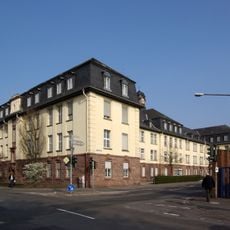
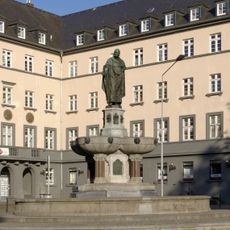
Electorate of Trier, Ecclesiastical principality in Rhineland-Palatinate, Germany
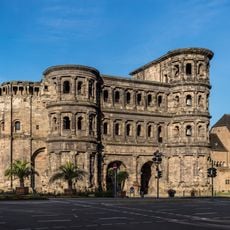
The Electorate of Trier was an ecclesiastical principality controlling territories along the Moselle River between Trier and Koblenz. The administrative center initially sat in Trier before later shifting to Koblenz, reflecting the political and economic weight of this region.
The principality emerged around 898 when Archbishop Radbod obtained complete tax exemptions for the bishopric territory, establishing the foundation for territorial independence. The French Revolutionary Wars led to its capture in 1794, resulting in the secularization of church properties and the end of the electorate.
As one of the three ecclesiastical electorates in the Holy Roman Empire, this territory held significant influence over the selection of German kings and emperors. The power of the prince-archbishops extended over both spiritual and worldly matters within their lands.
The territory sat at the junction of major Rhine and Moselle River trading routes, making it a central point for merchants and travelers. Control of these routes enabled rulers to generate income through tolls and local wine production.
Despite its political and economic power, the territory's control over surrounding lands remained fragmented and constantly threatened by competing local powers. This weakness ultimately led to its swift dissolution during French occupation.
The community of curious travelers
AroundUs brings together thousands of curated places, local tips, and hidden gems, enriched daily by 90,847 contributors worldwide.