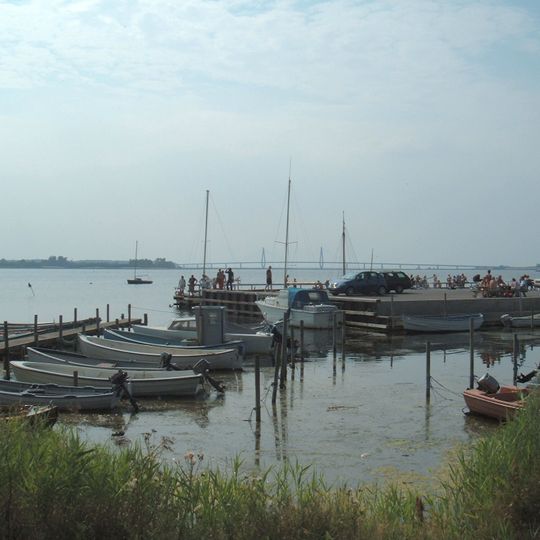
Bogø, Baltic Sea island in Vordingborg Municipality, Denmark
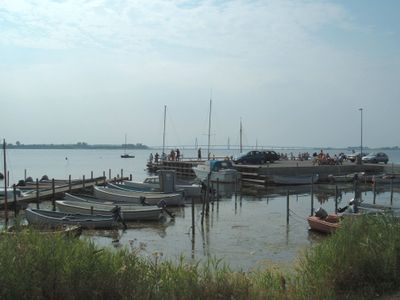
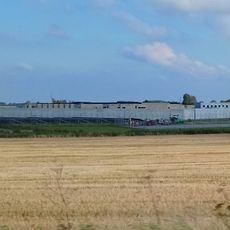
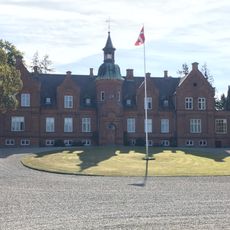
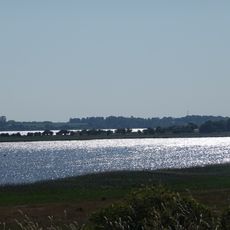
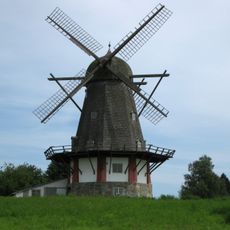
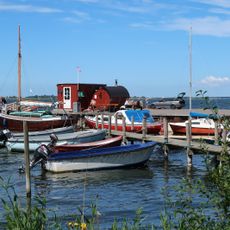
Bogø is an island in the Baltic Sea west of Møn with a varied mix of fields, forests, and coastal strips. The landscape shifts between open agricultural areas and forested sections, with small settlements and farms scattered across the terrain.
The island was purchased by its inhabitants from the crown in 1769, marking a turning point in its independence. To raise the necessary funds, the new owners systematically cleared forests and sold the timber.
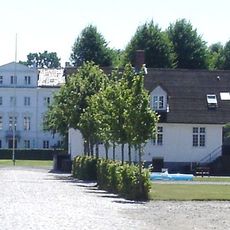
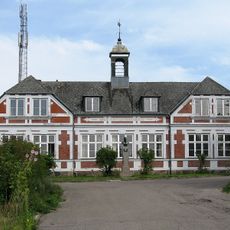
The settlement in the island's center has a simple, rural character that defines how people live and gather in this place. The community maintains its quiet, close-knit way of life, typical of small Danish islands.
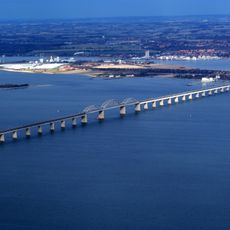
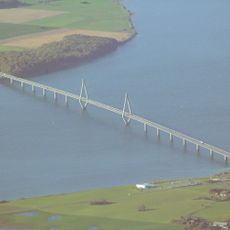
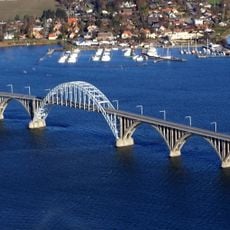
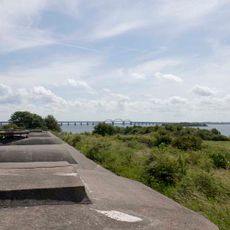
Three causeways connect the island to its neighbors Farø and Møn, forming the main traffic routes. Those arriving on foot or by bike will find quiet paths and a rural setting to explore.
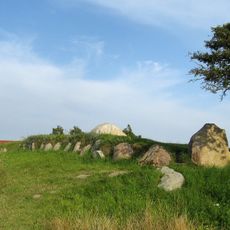
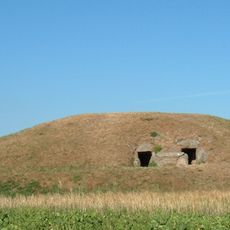
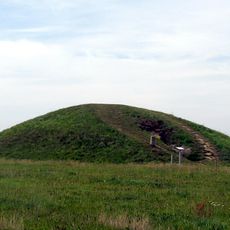
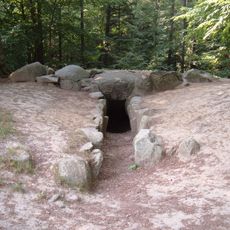
In the northeast lies Hulehøj, a Stone Age passage grave from the third millennium before Christ, known for its massive stones. This ancient structure is a rare testament to some of the earliest human presence in the region.
The community of curious travelers
AroundUs brings together thousands of curated places, local tips, and hidden gems, enriched daily by 92,526 contributors worldwide.