Setifis, Name of Sétif in Roman times
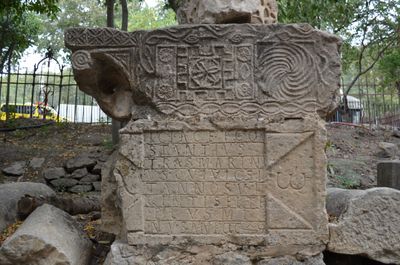
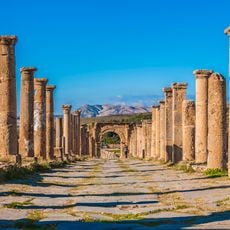
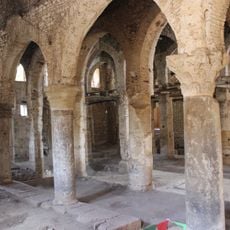
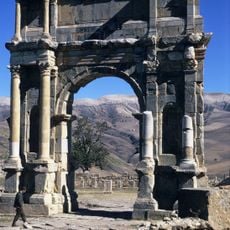
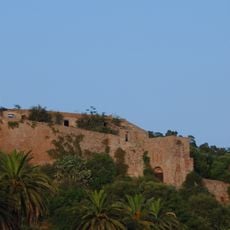
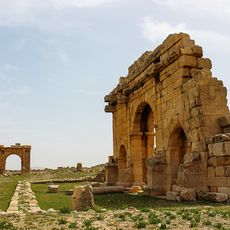
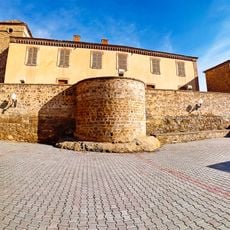
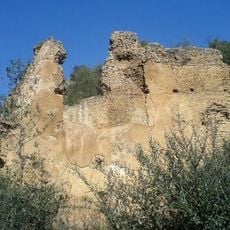
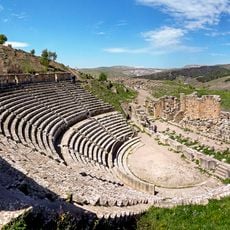
Setifis is an ancient Roman city in northeastern Algeria whose ruins display walls, columns, and old roads still visible today. The site contains remains of a large theater, bath complexes decorated with ornate mosaics, a circus for races and performances, and a water system with a castellum that distributed water from an aqueduct.
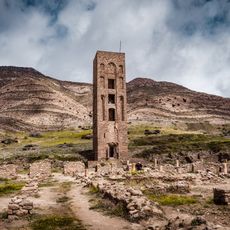
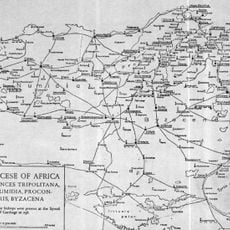
The city was founded in 97 AD by Roman soldiers and developed into an administrative center of the region. It grew through the fourth century as an important Christian city with basilicas, was later ruled by various powers, and lost its Roman structure by the late seventh century during the Hillal invasions.
The name Sitifis likely comes from a Berber word meaning black, referring to the dark, fertile soil of the region. The city was an important center for early Christianity, with at least two large basilicas decorated with beautiful mosaics built in the late fourth century.
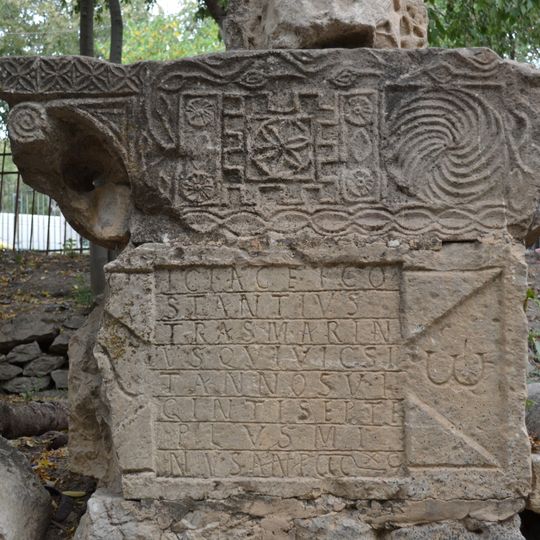
The site is easily reached from the modern city of Setif and works well for a day trip with guided tours and educational programs available. Visitors can walk freely throughout the area to view the various ruins from different angles and discover small details carved into the stones.
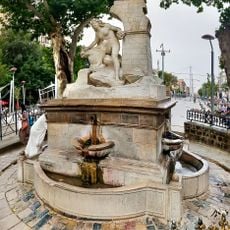
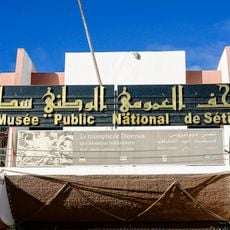
A mosaic in the bath complex depicts the birth of the goddess Venus and dates to the Vandal period. Parts of the historical water system, including the Roman castellum, remain visible in a garden in the modern city of Setif.
The community of curious travelers
AroundUs brings together thousands of curated places, local tips, and hidden gems, enriched daily by 91,652 contributors worldwide.