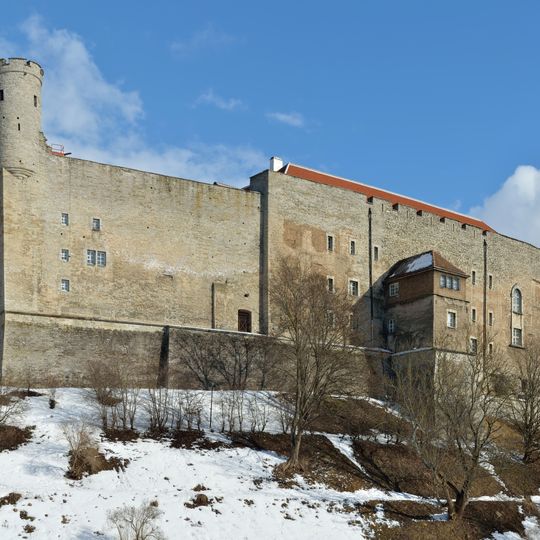
Toompea Castle, Medieval castle in Vanalinn, Estonia
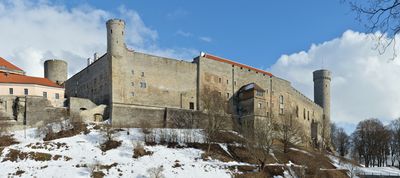
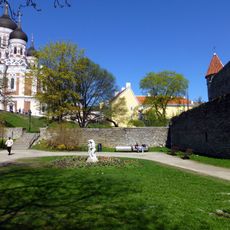
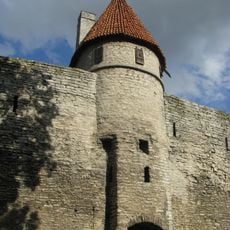
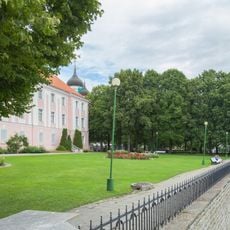
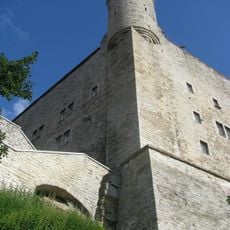
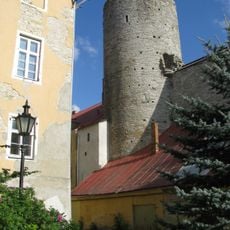
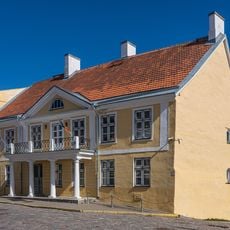
Toompea Castle is a fortress complex built on a limestone hill that merges medieval fortifications with a baroque palace and a contemporary parliament building. The site contains multiple structures developed across different periods, creating layers of architecture that shape the city's skyline.
Danish crusaders captured the original wooden fortress in 1219, prompting German Knights to begin stone construction in 1227. The site then evolved under successive rulers who repeatedly redesigned and reinforced the complex.
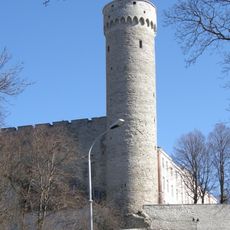
The Tall Hermann tower has displayed the Estonian flag for generations and serves as a symbol of governmental authority that residents and visitors alike can observe. The castle embodies the connection between medieval defense and modern self-governance at a location many view as central to national identity.
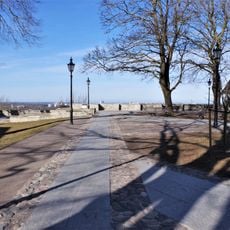
Visitors can tour the parliament building within the castle complex and explore the governmental chambers, with guided tours available year-round. The hilltop location is easily accessible on foot and provides views of the old city from above.
The parliament building inside features Expressionist design from the 1920s and is the world's only legislative building with this rare architectural style. This unexpected artistic direction for a government structure makes it a remarkable example of political architecture from that era.
The community of curious travelers
AroundUs brings together thousands of curated places, local tips, and hidden gems, enriched daily by 91,683 contributors worldwide.