Saaremaa, Baltic island in Estonia
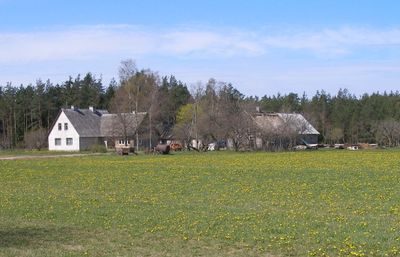
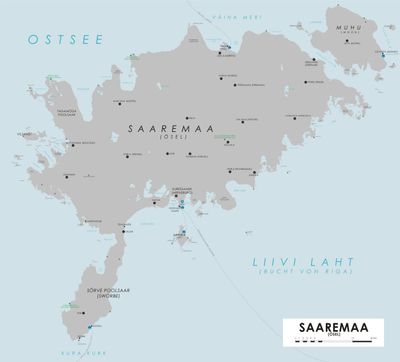
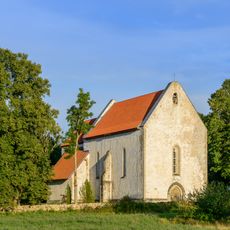
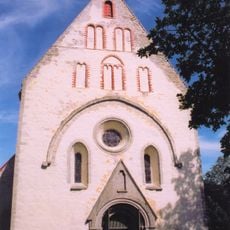
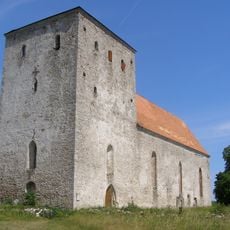
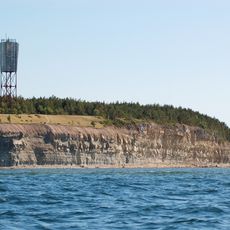
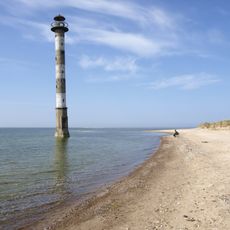
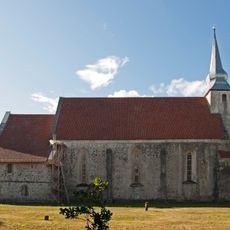
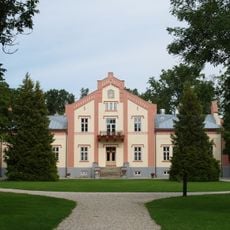
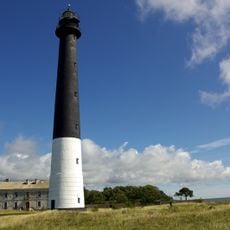
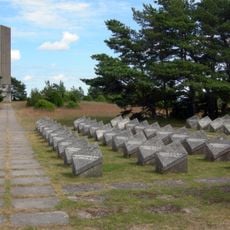
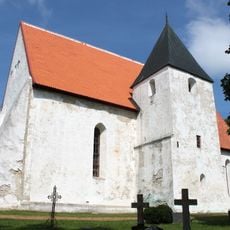
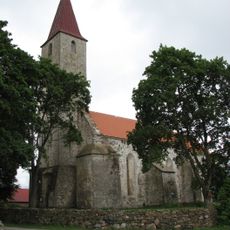
Saaremaa is a Baltic Sea island in Estonia covering approximately 2,673 square kilometers (1,032 square miles) and shaped by limestone cliffs, pine forests, and open pastures. Gentle hills alternate with shallow bays, while scattered villages and solitary farms dot the landscape.
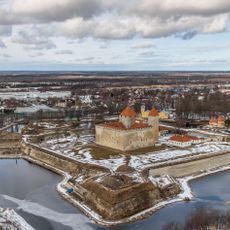
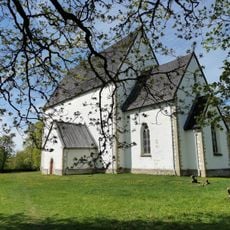
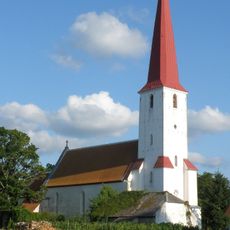
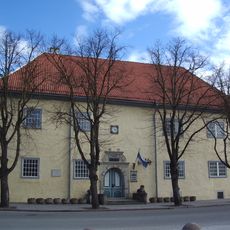
The Brothers of the Sword conquered the territory in 1227 and brought Kuressaare castle under the rule of the Bishop of Ösel-Wiek. Subsequent rulers from Denmark, Sweden, and Russia altered administration and fortifications, while the population clung to their customs.
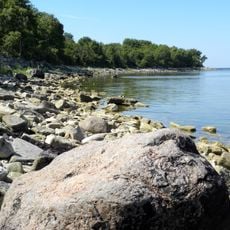
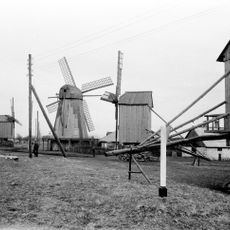
The name derives from the Estonian word for island land and shows the connection between residents and the sea. Farms follow old patterns with stone walls and wooden barns, while summer visitors use the quiet coastal stretches for walks and birdwatching.
Travel begins with a ferry running from the Estonian mainland to neighboring Muhu island and taking around 27 minutes. A permanent causeway links Muhu to the main body of land, allowing travelers to continue without additional waiting.
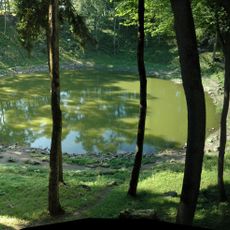
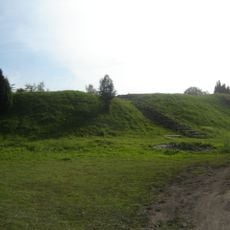
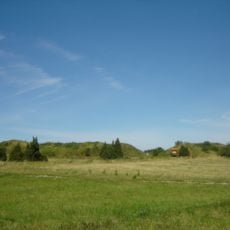
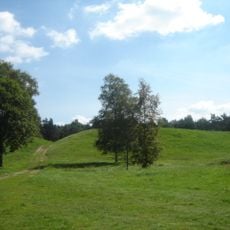
The Kaali Meteorite Crater Field holds nine impact craters, with the largest forming a small lake. This site stands as Europe's first documented meteorite location and attracts scientists and hikers alike.
The community of curious travelers
AroundUs brings together thousands of curated places, local tips, and hidden gems, enriched daily by 60,000 contributors worldwide.