Khedivate of Egypt, Historical territory in northeastern Africa
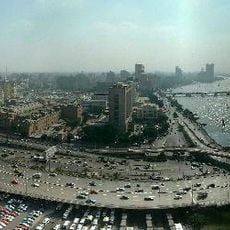
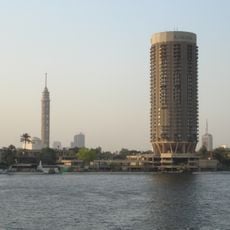
The Khedivate of Egypt was a state in northeastern Africa extending from the Mediterranean Sea to Sudan and into parts of the Middle East. The territory contained diverse regions with different landscapes, from coastal areas to desert zones and river valleys.
The Khedivate was established in 1867 when the Ottoman Empire granted Egypt limited self-rule while retaining nominal authority. In 1882, Britain took direct control of the territory, fundamentally altering its governance and structure.
Arabic was the language of everyday life for most people, while Ottoman Turkish, French, and English served administrative and diplomatic purposes. This linguistic diversity showed how different groups shaped society and governance across the territory.
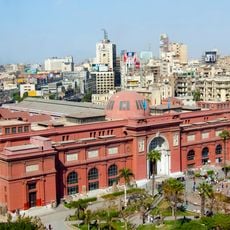
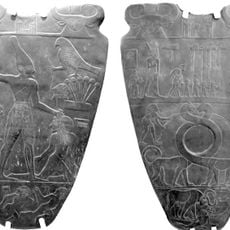
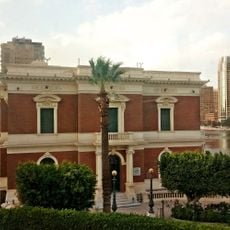
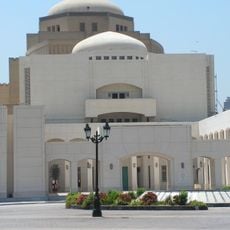
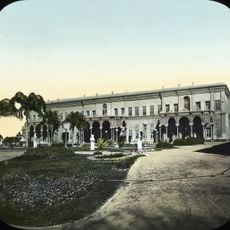
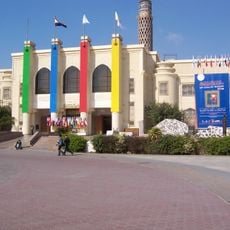
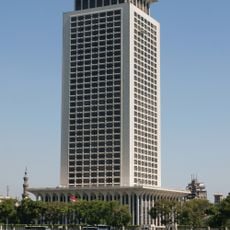
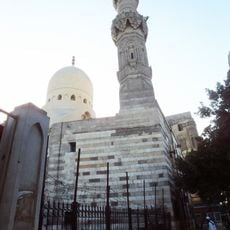
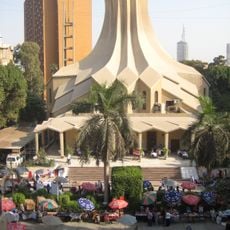
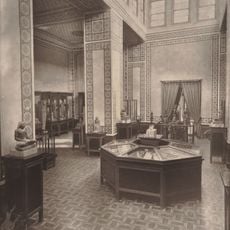
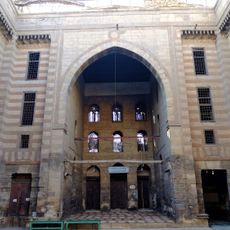
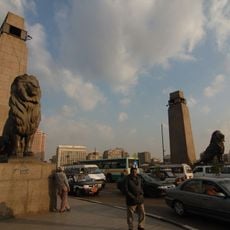
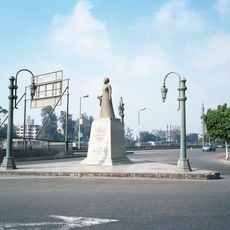
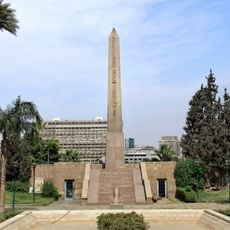
Information about this historical territory is found in archives, museums, and historical sites scattered across the region today. Visitors often focus on locations that reflect the administration and economic activities of that era.
Muhammad Ali introduced state monopolies on agricultural products and expanded cotton farming in the Nile Delta. These economic changes created a foundation that influenced the region for generations to come.
The community of curious travelers
AroundUs brings together thousands of curated places, local tips, and hidden gems, enriched daily by 90,803 contributors worldwide.