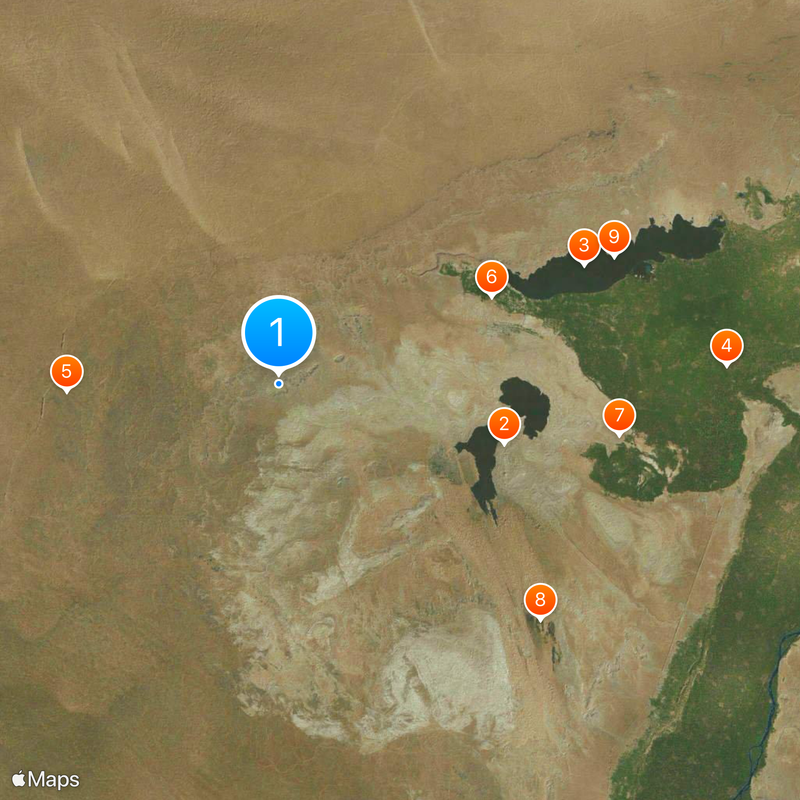
Wadi Al-Hitan, Natural monument in Faiyum Governorate, Egypt
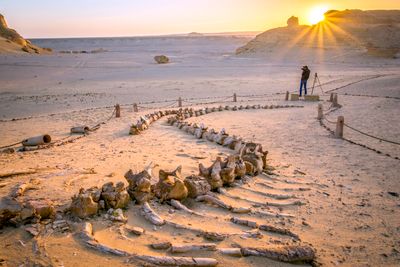
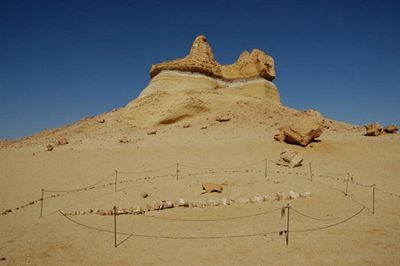
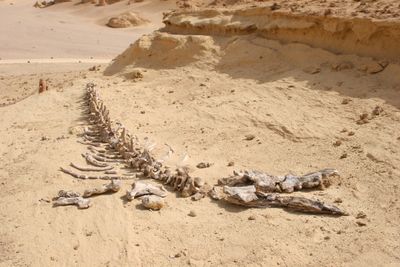
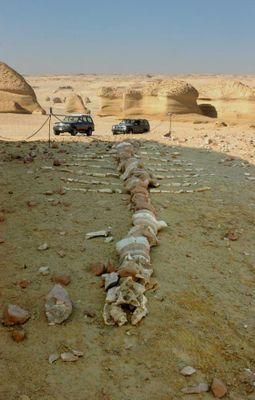
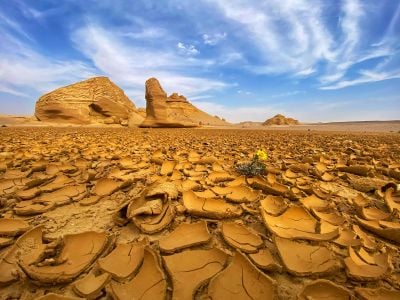
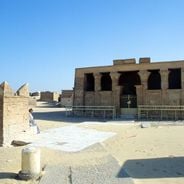
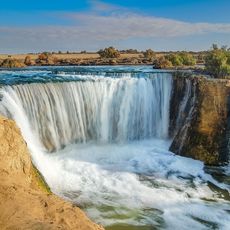
Wadi Al-Hitan is a nature reserve in Egypt where whale skeletons from ancient times are visible at the desert surface. The fossils display complete bone structures of these marine creatures and make the evolutionary development of these species tangible.
The area lay beneath the Tethys Sea during the Eocene period about 40 million years ago, a shallow ocean where these whales lived. After death, the animals were buried by sediments and their bones remained intact over millions of years until they were later exposed.
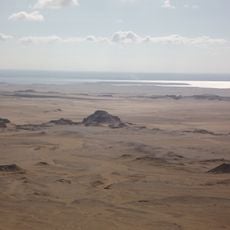
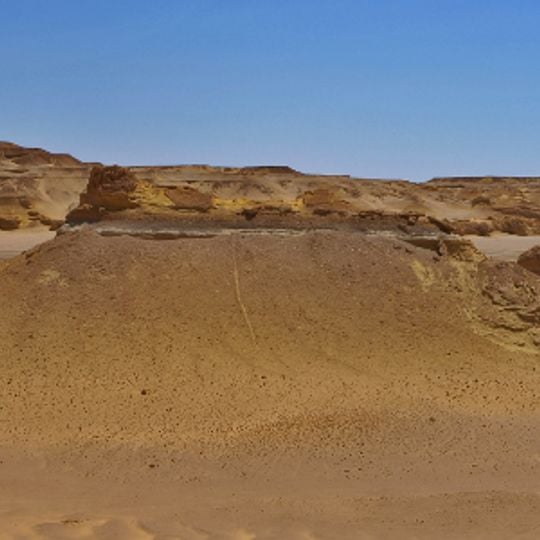
The name comes from the Arabic word for valley, describing the depression where the fossils rest exposed. Visitors can observe how these remains lie scattered across the desert landscape like open-air monuments to ancient life.
The ground is dry and hot, so visitors should bring plenty of water and wear light, protective clothing. Guided tours with explanations are helpful for understanding the individual fossils and their significance.
At some locations, visitors can see remains of hind limbs that show these marine animals descended from land-dwelling ancestors. Such anatomical transition features make the area especially valuable for studying evolution.
The community of curious travelers
AroundUs brings together thousands of curated places, local tips, and hidden gems, enriched daily by 91,633 contributors worldwide.