Middle Egypt, Geographic region in central Egypt
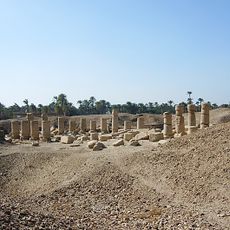
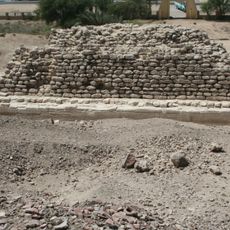
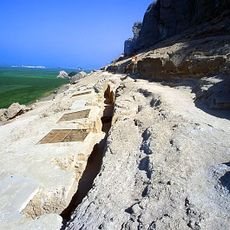
Middle Egypt stretches along the Nile River from Fayum Oasis to Asiut and contains fertile plains that support farming communities and archaeological sites. The area is defined by broader river valleys and holds hundreds of ancient monuments that have survived across millennia.
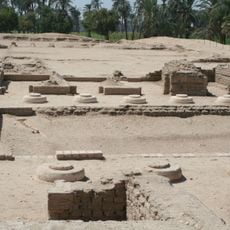
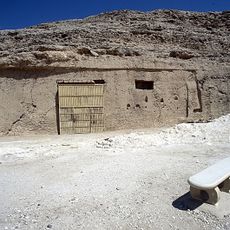
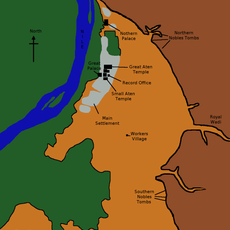
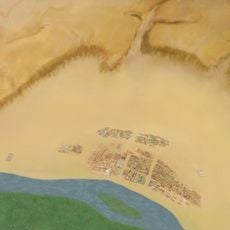
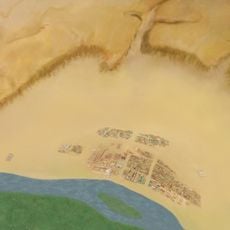
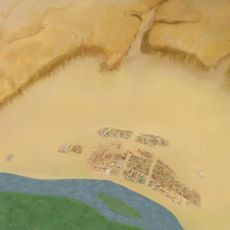
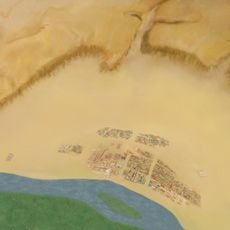
The region played a central role in ancient Egyptian civilization, especially during the 18th Dynasty when Pharaoh Akhenaten founded his capital at Amarna. This period brought profound changes to art, religion, and city planning that remain visible in the ruins today.
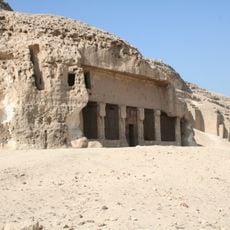
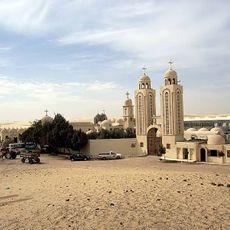
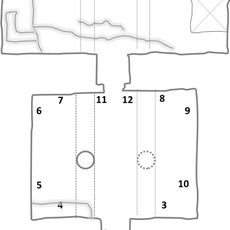
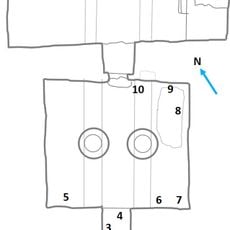
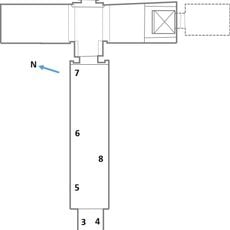
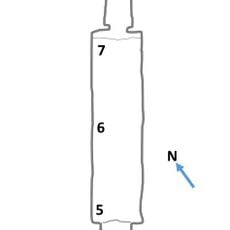
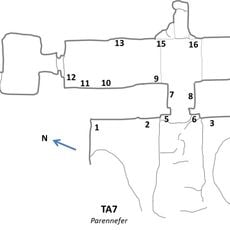
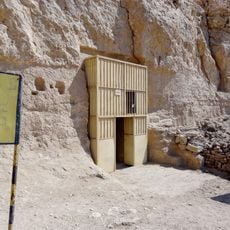
The region holds many temples and burial sites that reflect both ancient Egyptian and early Coptic Christian building traditions. These structures shape the landscape today and tell the story of different belief systems that coexisted across these lands.
Train and highway networks link the main archaeological sites and make them accessible from Cairo to cities further south. The best times to visit are the cooler months, as daytime heat can be intense.
The Dendera temple contains one of the oldest known astronomical drawings with star maps on its walls, showing how ancient Egyptians understood the sky. Such carvings offer insight into the observations and timekeeping that ancient people relied upon.
The community of curious travelers
AroundUs brings together thousands of curated places, local tips, and hidden gems, enriched daily by 92,729 contributors worldwide.