Qasr el Sagha Formation, Geological formation in Wadi Al-Hitan, Egypt
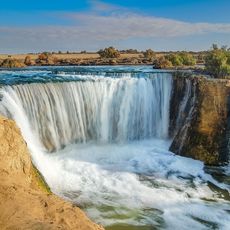
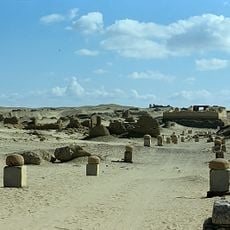
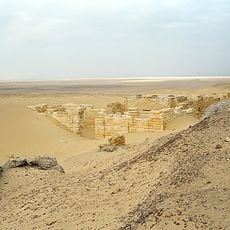
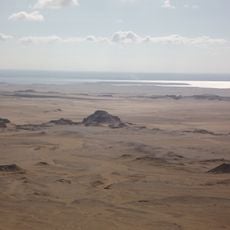
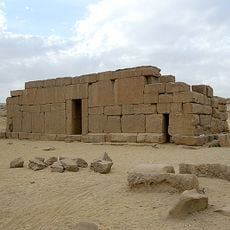
The Qasr el Sagha Formation is a geological formation in Wadi Al-Hitan composed of layered sandstone and shale deposits. It spreads across the northern section of the protected area and reveals layers that accumulated over millions of years from an ancient sea.
The formation was discovered in 1886 by German explorer Georg August Schweinfurth, who found the first whale fossils at this site. This discovery marked a turning point in scientific research on marine mammal evolution.
Researchers from multiple countries gather at the formation to study marine mammal evolution through the extensive collection of preserved whale specimens.
Visiting requires a certified desert guide and sufficient water supplies, especially for exploration during early morning hours. Vehicle access is essential since the formation lies in remote desert landscape far from settlements.
The formation contains fossils of Saghacetus, an early whale species that documents the transition of these animals from land-dwelling to marine life. These findings reveal how body structures and survival adaptations shifted over millions of years.
The community of curious travelers
AroundUs brings together thousands of curated places, local tips, and hidden gems, enriched daily by 90,855 contributors worldwide.