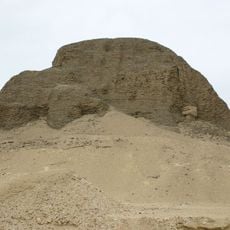
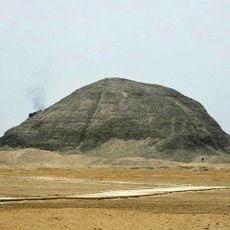
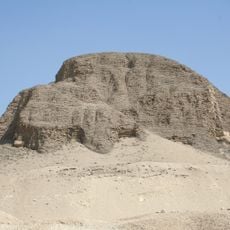
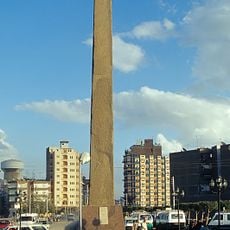
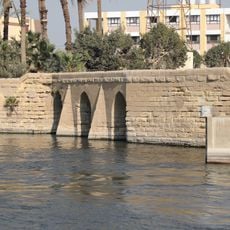
Pedestals of Biahmu, Archaeological remains near Faiyum, Egypt
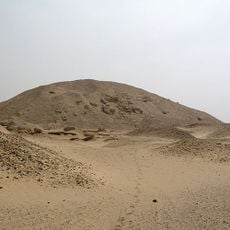
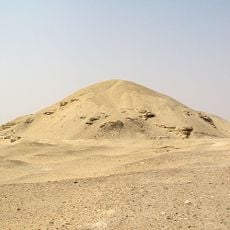
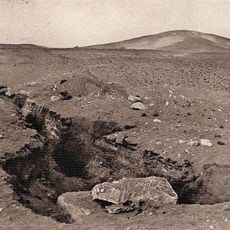
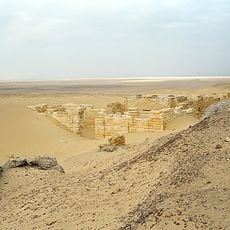
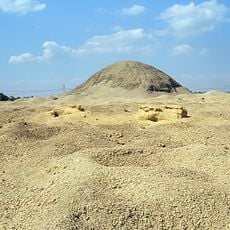
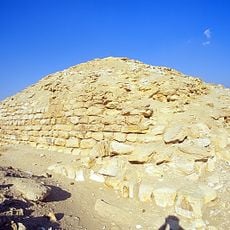
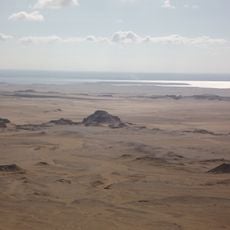
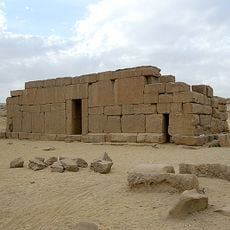
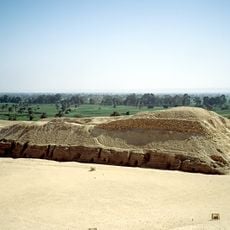
The Pedestals of Biahmu are two limestone plinths standing in the Fayum region of Egypt, once supporting colossal seated figures of Pharaoh Amenemhat III. These remains now sit on a low mound surrounded by cultivated fields, roughly seven kilometers north of the town of Medinet el-Fayum, where the monuments once overlooked the ancient shoreline of Lake Moeris.
The structures were built between 1807 and 1798 before the common era, during the reign of Amenemhat III in the Middle Kingdom. The original statues that rested on these pedestals rose to roughly 18 meters (60 feet) in height, vanishing over centuries through quarrying and erosion.
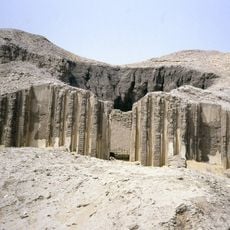
The pedestals display relief carvings showing representations of the 42 nomes, administrative regions that organized the kingdom during this period. Visitors standing close to the limestone surface can trace these carved divisions, which once symbolized the reach of royal power across the land.
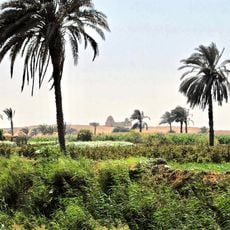
The remains lie about seven kilometers north of Medinet el-Fayum, amid fields crossed by irrigation channels. A local guide can help locate the site, as there is no clear signage along the rural paths leading to the mound.
The Greek historian Herodotus visited this area in the fifth century before the common era and described the statues as pyramids rising from the water during seasonal floods. His account suggests that the figures still stood upright at that time, and the floodwaters of the lake nearly covered the pedestals at their peak.
The community of curious travelers
AroundUs brings together thousands of curated places, local tips, and hidden gems, enriched daily by 92,600 contributors worldwide.