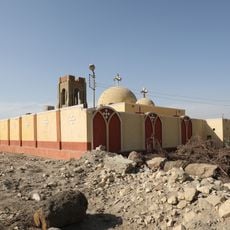
Tarkhan, Ancient burial ground in Nile Valley, Egypt
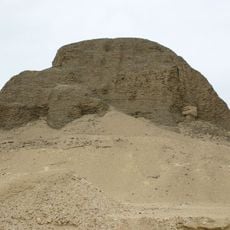
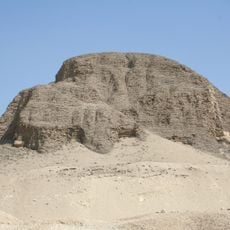
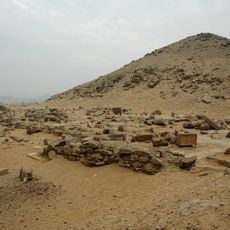
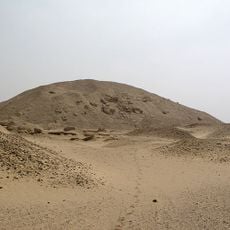
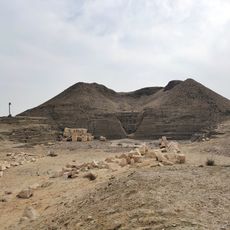
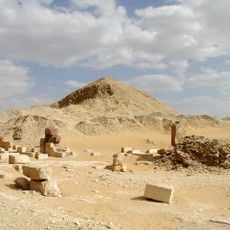
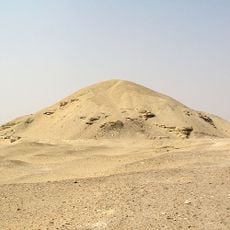
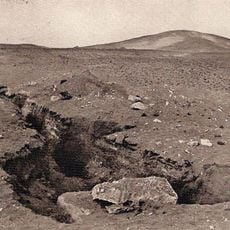
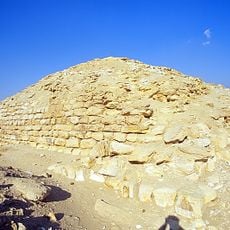
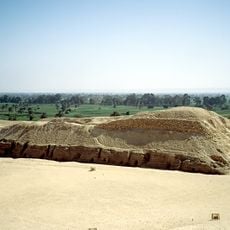
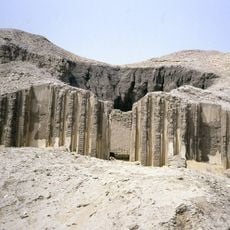
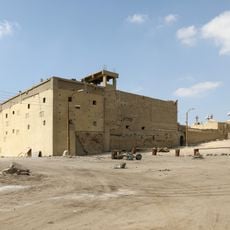
Tarkhan is an ancient Egyptian necropolis about 59 km south of Cairo on the west bank of the Nile. It consists of tombs on a series of hills running north to south for about 1.5 km and in the associated valley. Most tombs are simple holes in the ground, but several First Dynasty mastabas of mud brick, decorated with a palace facade, stand out.
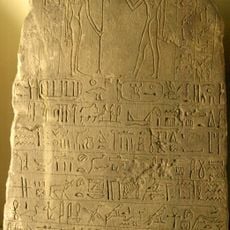
Tarkhan was used intensively in the late 4th and early 3rd millennia BC, then intermittently until the Roman period. Flinders Petrie excavated the site between 1911 and 1913 for the British School of Archaeology in Egypt, uncovering over 2,000 tombs, including First Dynasty mastabas and a tomb with Narmer seal impressions. T. E. Lawrence worked there in the first season.
The layout of the necropolis reflects how Egyptian society was organized, with larger tombs reserved for wealthy individuals set apart from the simpler burials nearby. Walking through the site, this separation is still visible in the ground, telling a story about rank and belonging.
The site sits in open desert and requires good preparation, especially in the warmer months when temperatures rise quickly. Sturdy footwear is helpful since the ground is uneven, and visiting early in the morning gives you better light and cooler conditions.
The Tarkhan dress, a linen garment from a looted tomb, was radiocarbon dated in 1977 to 3482–3102 BC, making it the world's oldest woven clothing. It was found in a pile of linen in Tomb 2050, which also held Naqada IIIC1 stone vessels.
The community of curious travelers
AroundUs brings together thousands of curated places, local tips, and hidden gems, enriched daily by 93,254 contributors worldwide.