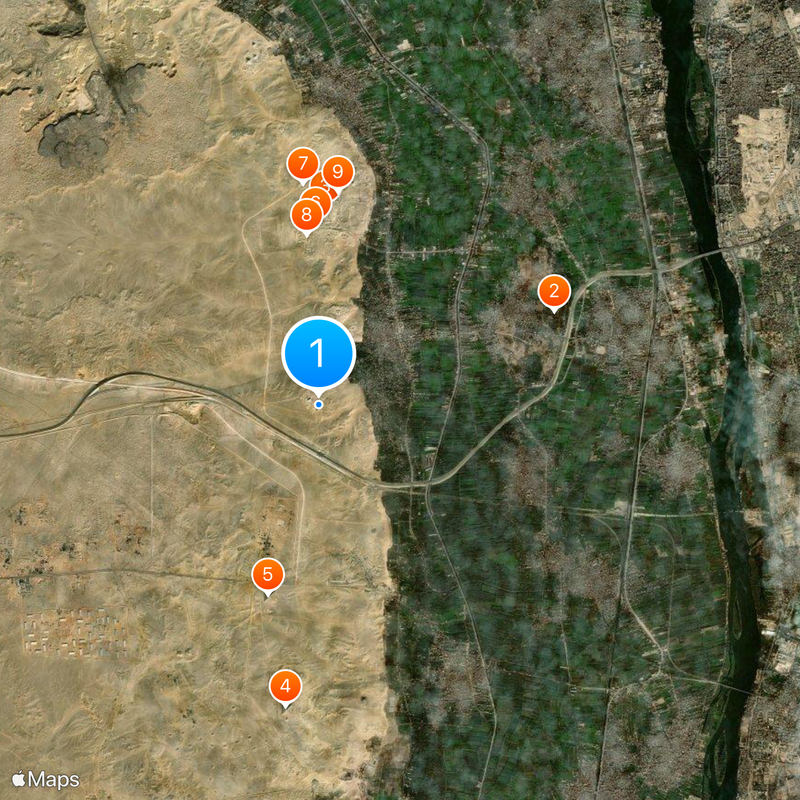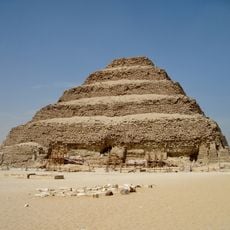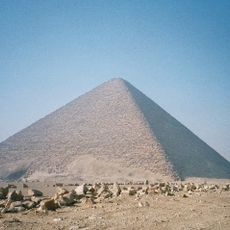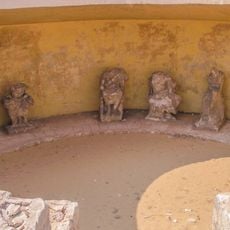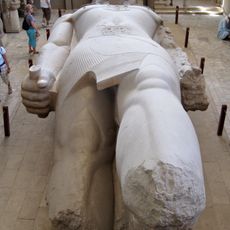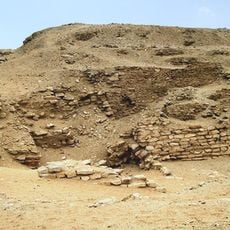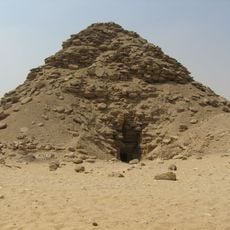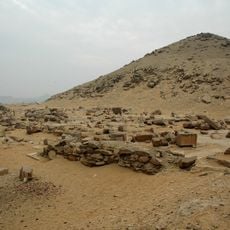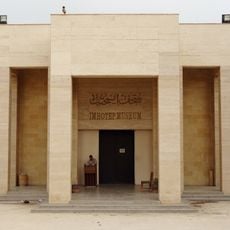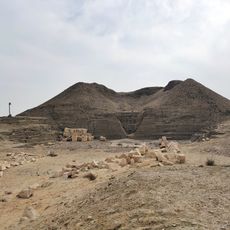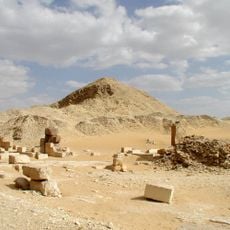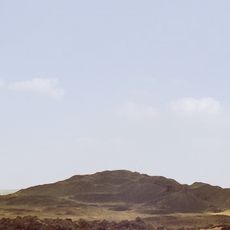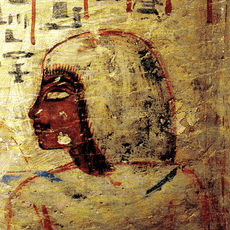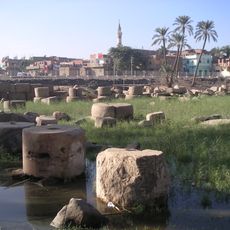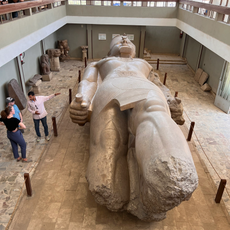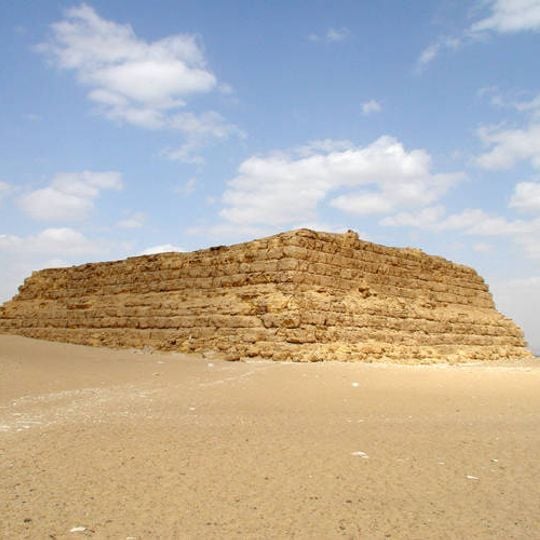
Mastabet el-Fara'un, Ancient royal mastaba tomb in Saqqara, Egypt.
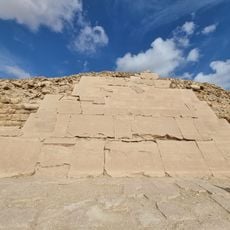
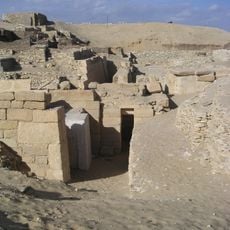
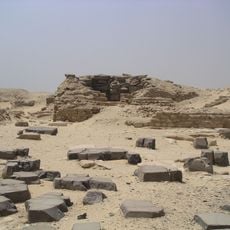
Mastabet el-Fara'un is a flat, rectangular royal tomb from ancient Egypt made of two layers: yellowish-grey limestone from Dashur inside, white Tura limestone with granite accents on the outside. The interior contains several chambers and corridors that connect from an elevated entrance.
The tomb was built under King Shepseskaf, the last ruler of the Fourth Dynasty, during the Old Kingdom period. Its construction marks a turning point in Egyptian burial architecture when monarchs moved away from pyramids toward this alternative form.
The shape of this tomb shows how Egyptian burial customs changed as rulers looked for new ways to display their power. Instead of building large pyramids, they chose a flat, massive structure that still conveyed their importance.
Visitors enter through an elevated access point that leads to a granite corridor and several interior rooms, allowing exploration from different angles. When visiting, be prepared for uneven floors and limited lighting in the interior spaces.
The attached temple building is far simpler than typical pyramid temples and often gets overlooked by visitors. This reduced design shows how much building methods and religious practices were changing at the time.
The community of curious travelers
AroundUs brings together thousands of curated places, local tips, and hidden gems, enriched daily by 91,621 contributors worldwide.