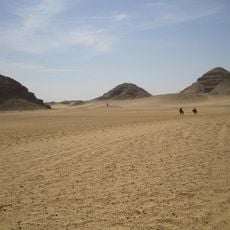
Pyramid of Neferefre, Ancient Egyptian pyramid in Abusir, Egypt.
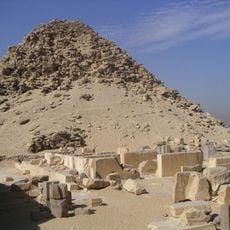
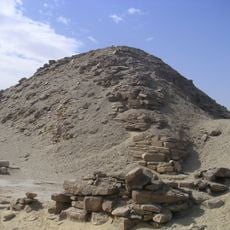
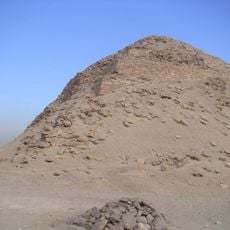
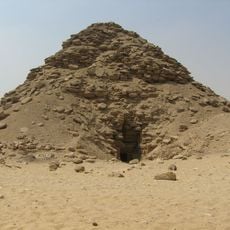
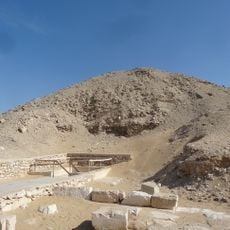
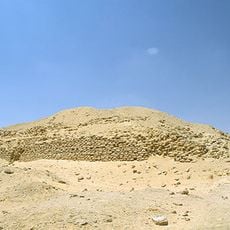
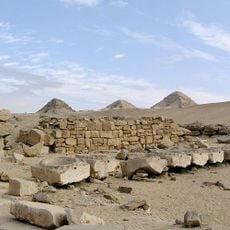
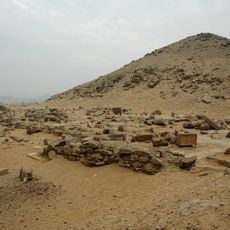
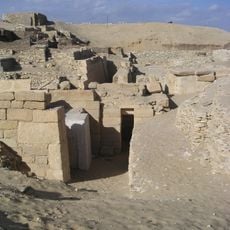
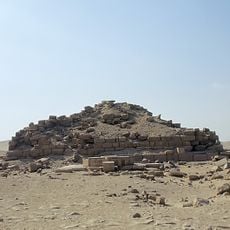
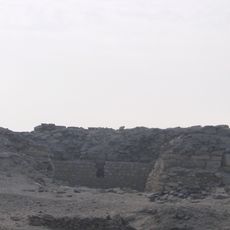
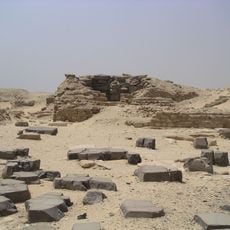
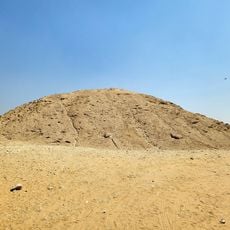
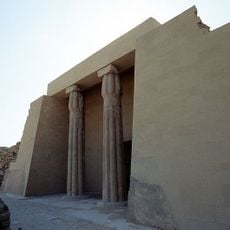
The Pyramid of Neferefre is a limestone structure in Abusir that was intended to have smooth sloping sides but remained unfinished. The site includes a temple built on a raised platform along with underground passages reinforced with red granite blocks and barrier systems.
The pharaoh died at roughly 23 years of age, causing the construction site to be abandoned before the project could be completed. Work had begun during Egypt's Fifth Dynasty.
The pyramid's ancient name, Netjeri-bau-Ra-nefer-ef, means 'Divine is the power of Neferefre'. Papyri from the temple archive call the unfinished structure a 'hill'. The site also preserves the 'Sanctuary of the Knife', an abattoir where the Abusir Papyri record 130 bulls slaughtered during a ten-day festival.
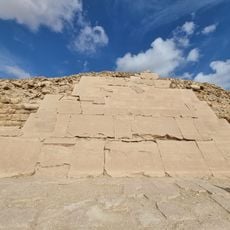
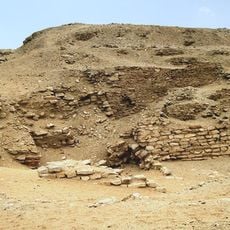
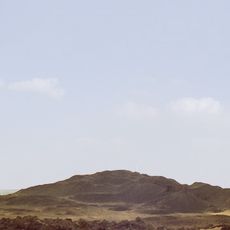
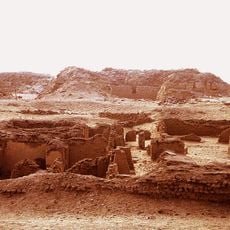
The pyramid stump stands at the southern end of the Abusir necropolis, the furthest of its pyramids into the desert, south-west of Neferirkare's pyramid and west of Khentkaus II's. The open first step of the core masonry is visible, and the substructure can be entered. The site lies between Saqqara and the Giza Plateau.
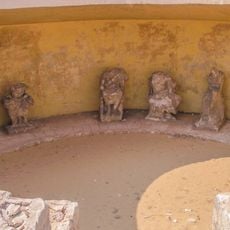
Ludwig Borchardt abandoned his trial trench in the early 20th century perhaps only 1 m (3.3 ft) from the descending passage, so the monument's owner stayed unidentified for seventy years until Miroslav Verner's Charles University team found papyri and statues in the temple ruins from 1974.
The community of curious travelers
AroundUs brings together thousands of curated places, local tips, and hidden gems, enriched daily by 94,427 contributors worldwide.