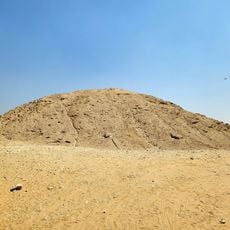
Mastaba S3503, Ancient tomb in Saqqara, Egypt
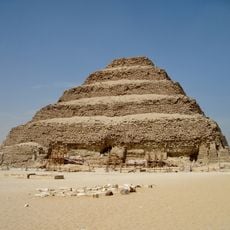
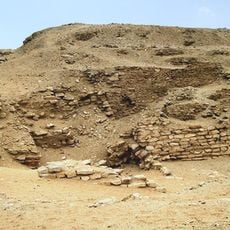
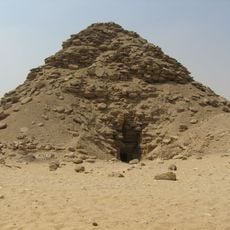
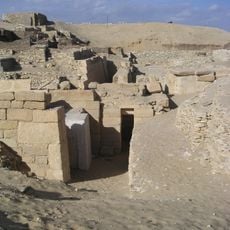
Mastaba S3503 is a burial structure at Saqqara measuring about 42 meters long by 16 meters wide, built from dried mud bricks in a rectangular form with sloping sides. The building contains 23 chambers in its upper section and a central burial chamber with four adjoining side rooms in the lower section.
The structure dates from the First Dynasty around 3000 BCE and was excavated by archaeologist Walter Emery and his research team. This discovery contributed significantly to understanding early Egyptian burial practices.
The exterior walls display niches arranged in a pattern that echoes the design of royal palace facades from this era. This architectural choice reflected how people at the time understood power and the divine status of the deceased.
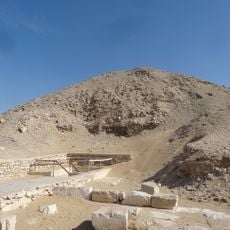
The site is located within the Saqqara necropolis and can be visited as part of a tour through the archaeological zone. It helps to arrive early in the day for the best lighting conditions and to avoid the largest crowds.
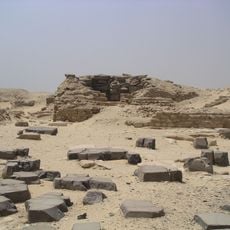
Twenty smaller tombs are arranged in a regular pattern around the main mastaba, forming an extended funeral complex. This layout shows how close companions and family of the main occupant were buried in close proximity around the principal structure.
The community of curious travelers
AroundUs brings together thousands of curated places, local tips, and hidden gems, enriched daily by 92,307 contributors worldwide.