Memphis, Ancient city ruins in Giza Governorate, Egypt
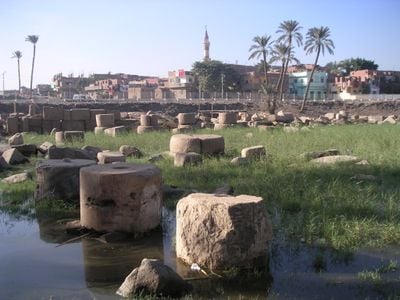
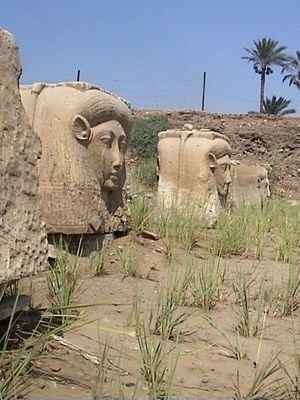
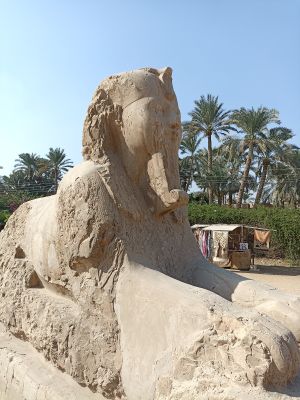
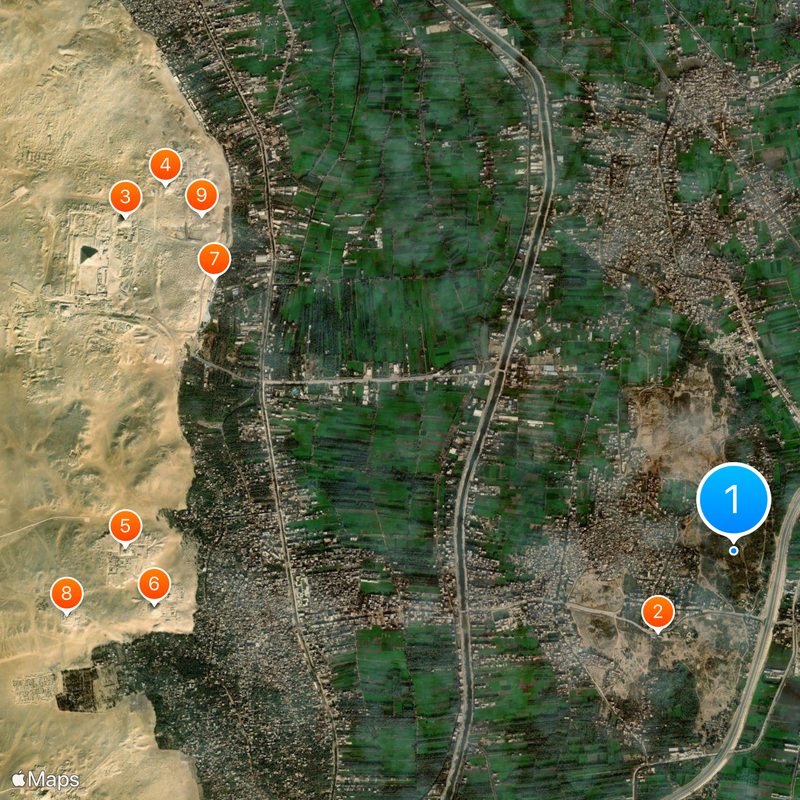
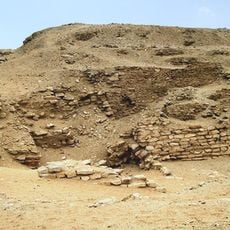
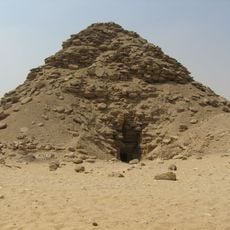
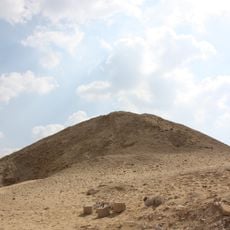
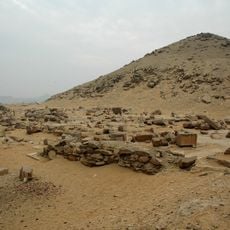
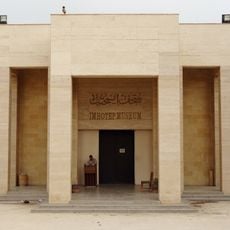
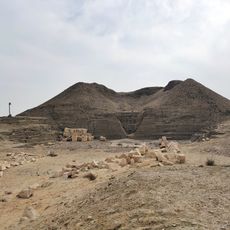
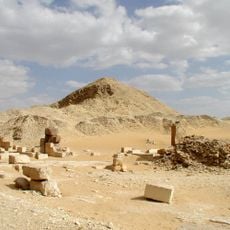
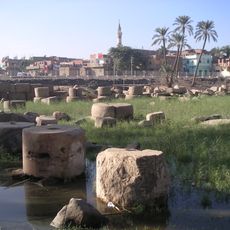
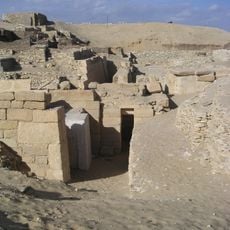
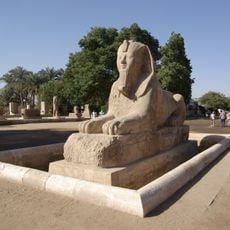
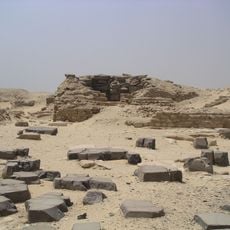
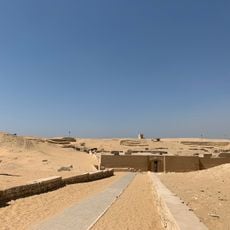
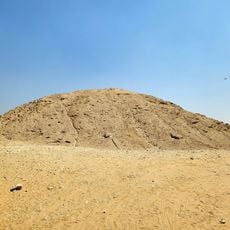
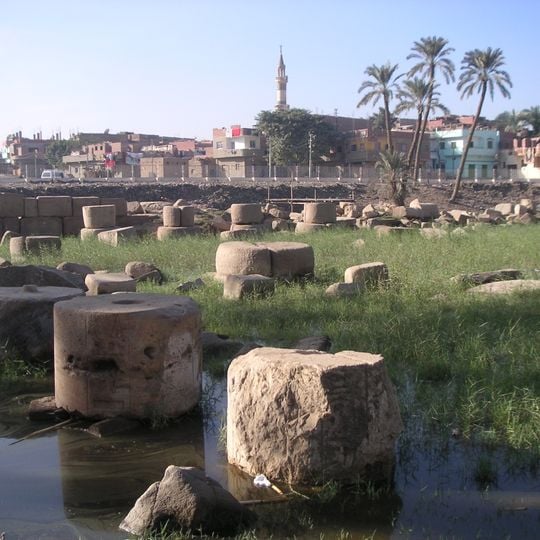
This historic city was once the administrative and religious center of pharaonic Egypt and spreads over several square kilometers with scattered stone blocks, toppled columns, and fragmented architectural elements. The site includes areas with exposed foundations as well as open spaces where large sculptures are housed in dedicated protective halls.
The site became the first capital of a unified Egypt around 3100 BCE under King Narmer and retained this role across multiple dynasties. Its power diminished as Thebes gained influence during the New Kingdom, but it remained a religious center into the Greco-Roman period.
The ruins are part of a protected landscape surrounded by local communities whose life has been shaped by archaeological work for generations. Visitors can encounter craftsmen applying traditional techniques to create replicas of old objects for museums and tourists.
The site is accessible daily from 8 AM to 5 PM, and guided tours in several languages are arranged through the visitor center at the entrance. Arriving early in the morning provides more comfortable temperatures and fewer crowds, especially during the hot months.
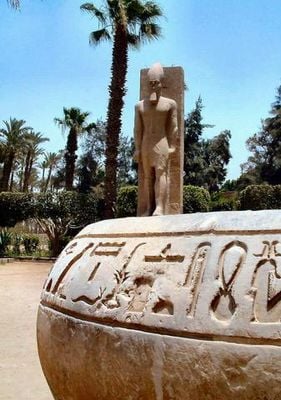
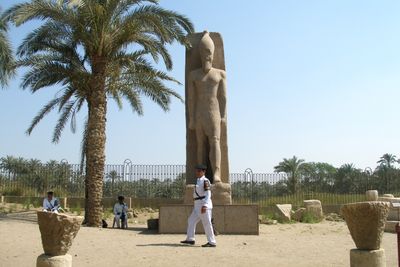
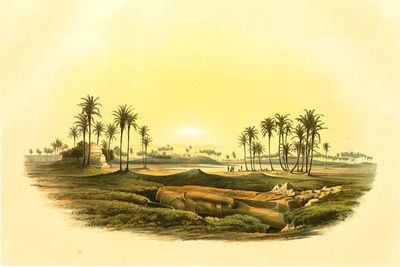
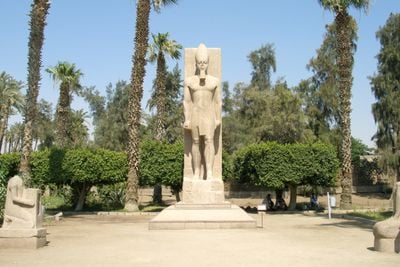
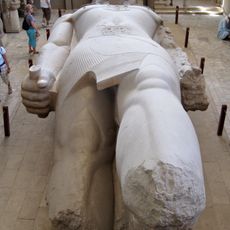
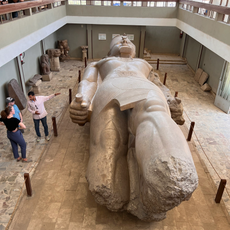
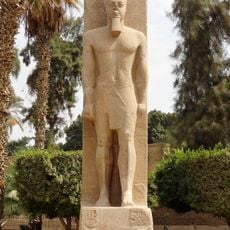
A massive limestone statue of Ramesses II lies horizontally in the outdoor museum and measures 10 meters (33 feet) in length, protected from weathering by a specially constructed building. The statue originally stood upright in a temple but collapsed in antiquity and was never re-erected.
The community of curious travelers
AroundUs brings together thousands of curated places, local tips, and hidden gems, enriched daily by 90,867 contributors worldwide.