Grand Egyptian Museum, Archaeological museum in Giza, Egypt
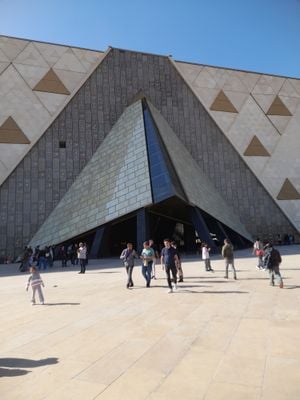
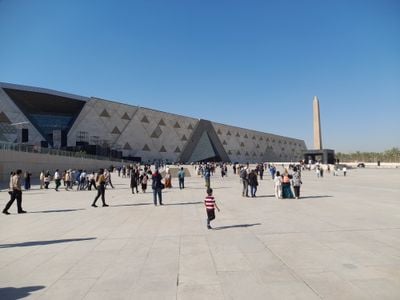
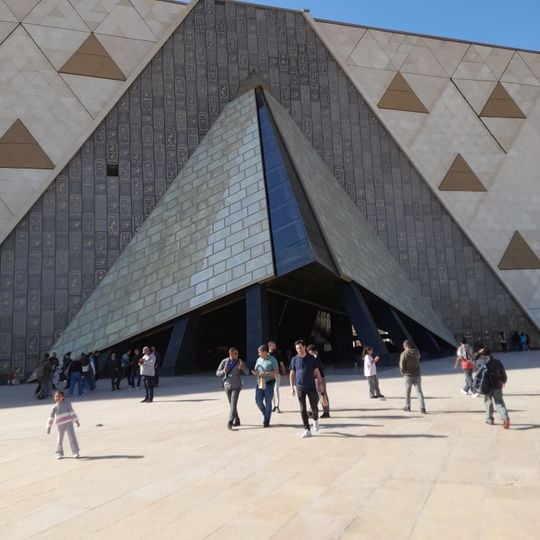
The Grand Egyptian Museum is a museum complex in Giza whose facade is built from pale stone panels arranged in repeating triangles, with a projecting dark triangular entrance and a tall hieroglyph-covered wall rising behind the central pyramid form. Inside, a 10,000-square-metre atrium with a glass roof holds an 11-metre statue of Ramesses II, and the Giza Pyramids are visible from within.
Work began in 2002 after an international competition selected the Heneghan Peng architectural team. The opening was postponed several times, and the first galleries opened gradually to the public from the 2020s onward.
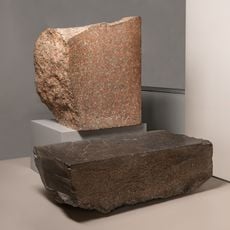
The museum carries the local name al-Matḥaf al-Miṣrī al-Kabīr, which refers to the great Egyptian collection. Its galleries present tools, papyrus scrolls, jewelry, and mummies that offer insight into everyday life across different eras.
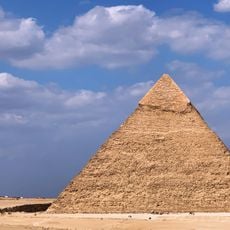
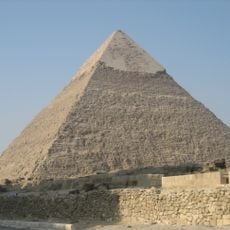
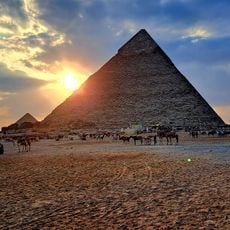
The museum sits about 2 km from the Giza pyramids, and a dedicated walkway links the two, with electric cars carrying visitors between them. Signage and audio guides are offered in Arabic, English and Japanese. The restoration centre lies about 10 m below ground, reached by a roughly 300 m tunnel used to move artefacts.
The glass facade reflects the desert color during the day, blending the building into the landscape. Part of the collection sits in a restoration laboratory that visitors can view through large panels.
The community of curious travelers
AroundUs brings together thousands of curated places, local tips, and hidden gems, enriched daily by 92,308 contributors worldwide.