Giza Pyramids, Necropolis in Giza, Egypt
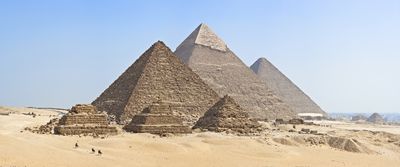
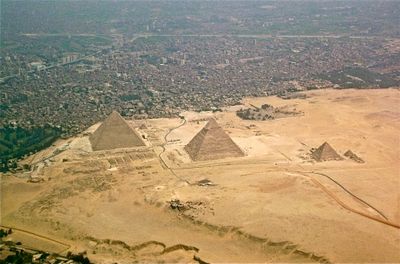
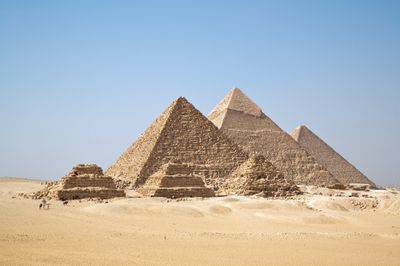
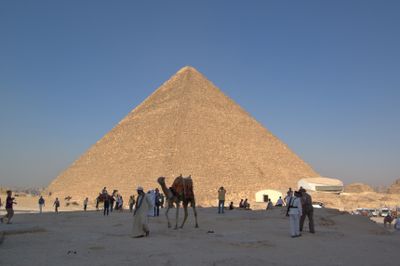
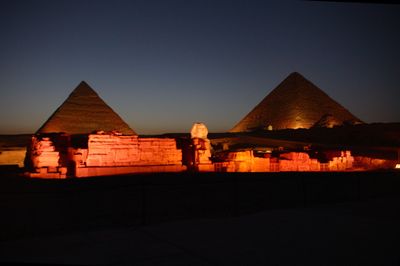
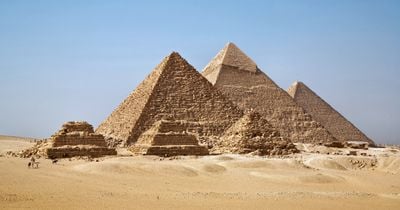
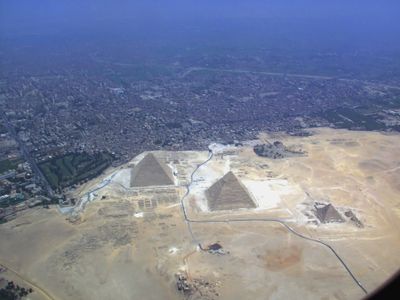
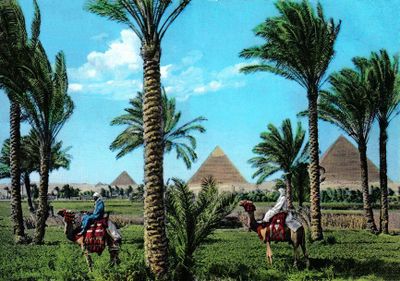
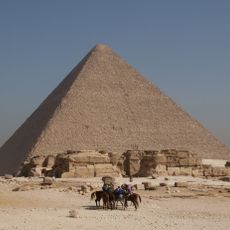
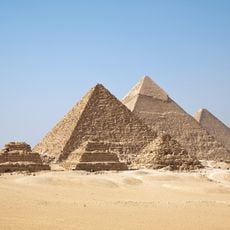
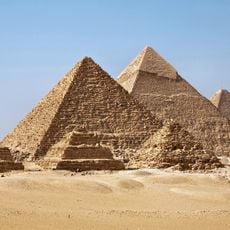
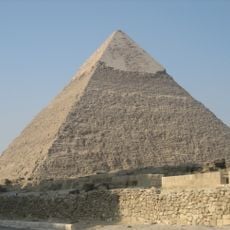
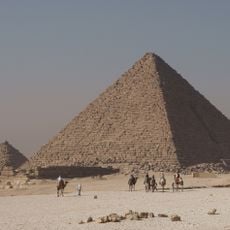
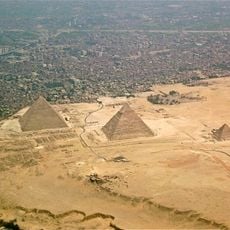
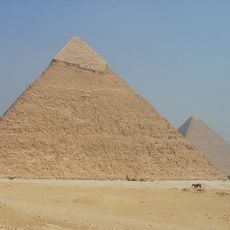
The Giza Necropolis is a sprawling burial complex on a desert plateau west of Cairo, containing three large pyramids, the Sphinx, and several smaller tombs. The largest pyramid reaches 139 meters in height, while its square base measures 230 meters and is built from precisely placed stone blocks.
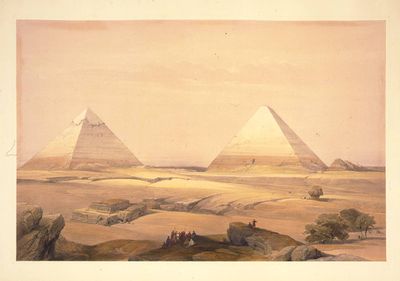
Built between 2600 and 2500 BC during the Fourth Dynasty of ancient Egypt, the pyramids served as resting places for Pharaohs Khufu, Khafre, and Menkaure. Each pyramid was created as a tomb for a ruler, with the construction method and size reflecting the wealth and power of each pharaoh.
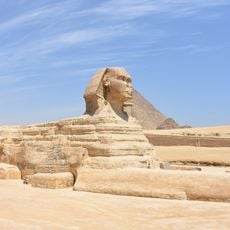
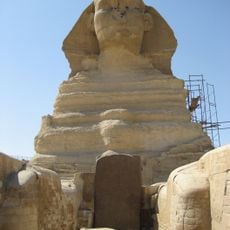
The Great Sphinx, carved from limestone with a lion body and human head, watches over the complex and shows the link between Egyptian rulers and divine powers. Visitors see here a lasting symbol of authority that has guarded the desert for thousands of years.
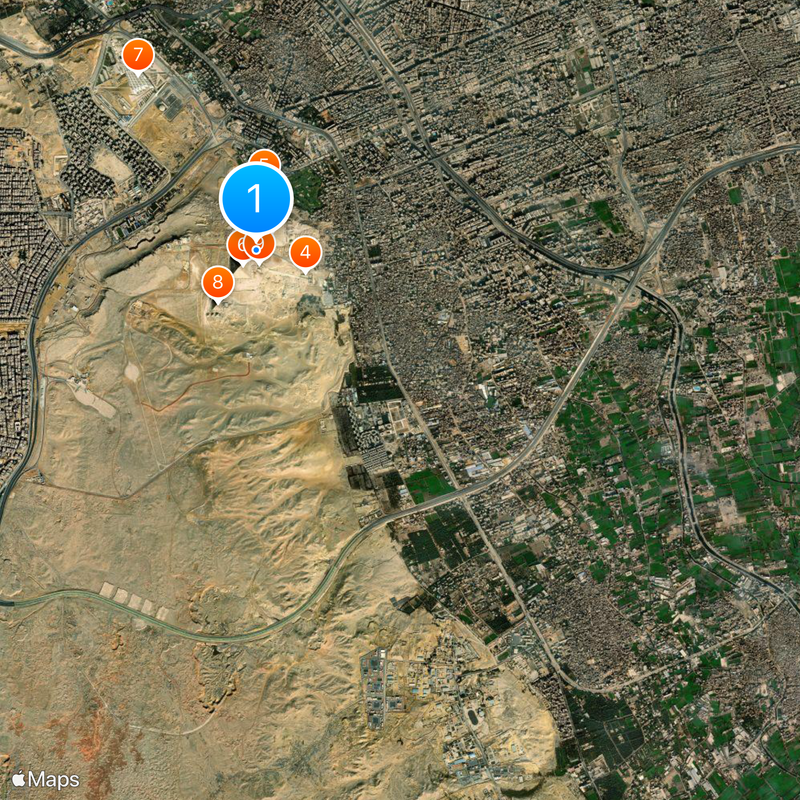
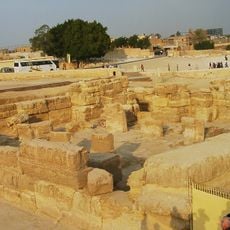
The site sits nine kilometers west of the Nile and contains multiple pathways connecting various temples, tombs, and remains of workers' settlements. Visitors should arrive early in the morning to avoid heat and wear comfortable shoes, as the terrain is large and partly uneven.
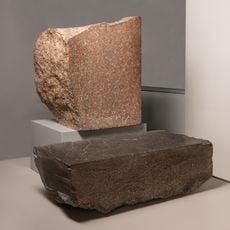
Construction required 2.3 million stone blocks, including granite pieces weighing up to 80 tons transported from Aswan for specific chambers within the pyramids. These massive blocks were moved hundreds of kilometers without modern tools and placed with remarkable precision into position.
The community of curious travelers
AroundUs brings together thousands of curated places, local tips, and hidden gems, enriched daily by 60,000 contributors worldwide.