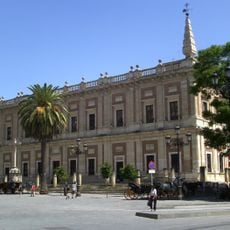
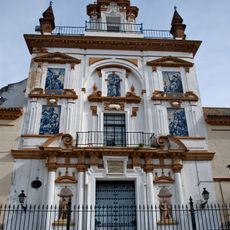
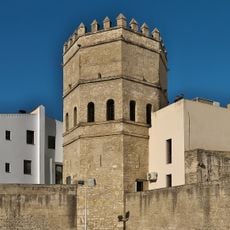
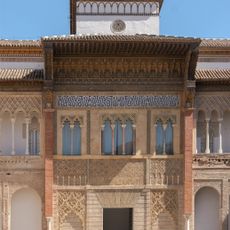
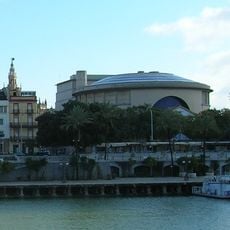
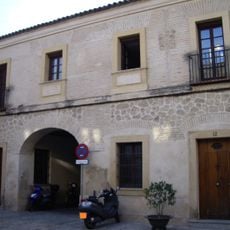
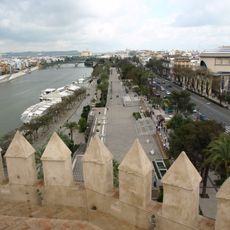
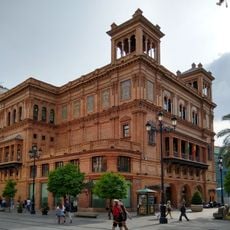
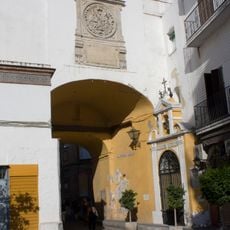
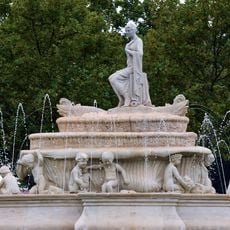
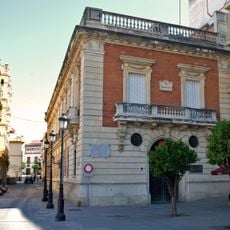
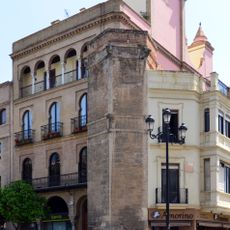
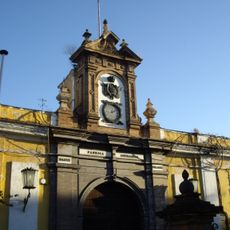
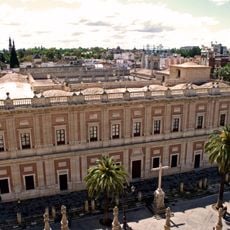
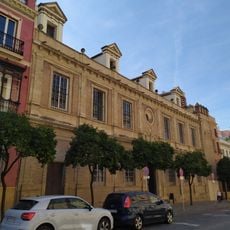
Aduana de Sevilla, Historical customs house in Seville, Spain.
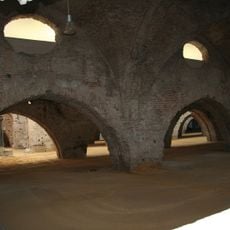
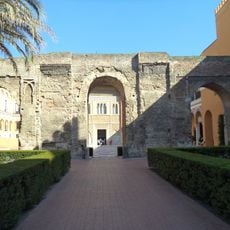
The Aduana de Sevilla is a former customs house that incorporates three large halls from the original Royal Shipyards, displaying stone walls and architectural details from multiple periods. The interior spaces reveal how the structure was originally designed to handle the enormous flow of goods arriving by river.
Construction began in 1577 under architect Asensio de Maeda and was completed in 1587 during the reign of King Felipe II. The project reflected Seville's need to manage the growing volume of goods arriving from the New World.
The building served as the main hub where the city's most valuable trade goods were inspected and recorded. Walking through its spaces today, you can sense how carefully the flow of exotic materials such as spices, dyes, and fine textiles was managed and controlled.
The building sits close to the Guadalquivir River, which made it an ideal location for inspecting goods as they arrived by water. Visitors benefit from using the riverside as a reference point for navigation and experiencing the setting that made this location so strategic.
A historical record from 1634 by Rodrigo Caro documents 27 different administrative positions operating within the structure, each with specific duties. This level of organization reveals how sophisticated the Spanish colonial bureaucracy had become.
The community of curious travelers
AroundUs brings together thousands of curated places, local tips, and hidden gems, enriched daily by 90,820 contributors worldwide.