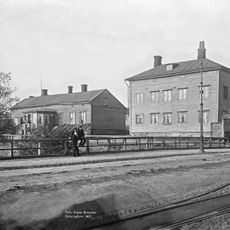
Monarchy of Finland, Historical period of monarchy in Helsinki, Finland.
The monarchy of Finland refers to periods when the territory was ruled by Swedish and later Russian monarchs until independence in 1917. A brief episode in 1918 involved the election of a German prince as king, though this arrangement never came to completion.
Finland was ruled by Swedish monarchs for centuries before becoming part of the Russian Empire in 1809, placing it under tsarist rule. After Russia's collapse in 1917, Finland briefly attempted to establish its own monarchy in 1918, but this effort failed.
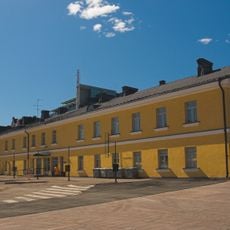
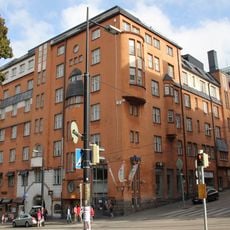
The monarchical periods left limited marks on everyday Finnish life since the country never truly lived under independent royal rule. Swedish and Russian royal families did influence certain architectural landmarks that visitors can still observe today.
This historical episode can be explored today mainly through museums, archives, and historic buildings scattered across Finnish cities. Guided tours and exhibitions provide background to understand this brief but significant period.
Finland is one of few European countries to have had a chosen king who never arrived – Friedrich Karl of Hesse was elected king but never stepped foot in the country. This unrealized monarchy makes it a rare historical oddity in European royal tradition.
The community of curious travelers
AroundUs brings together thousands of curated places, local tips, and hidden gems, enriched daily by 92,013 contributors worldwide.