Andrott, human settlement in India
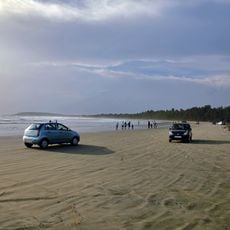
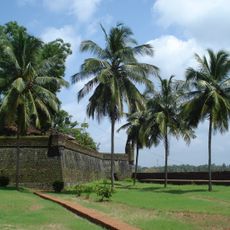
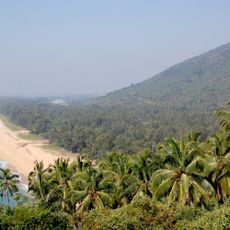
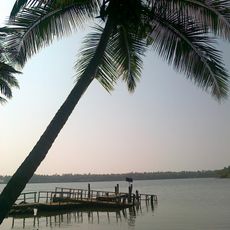
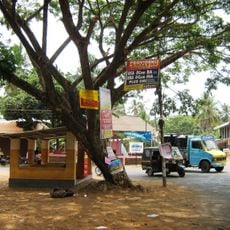
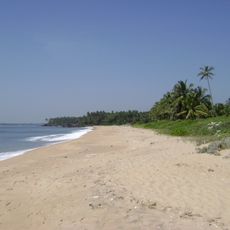
Andrott is a human settlement and the largest island in Lakshadweep in the Arabian Sea, home to around 10,000 people living in small villages. The landscape features coconut palms, banana plants, breadfruit trees, and mangroves, surrounded by coral reefs that support diverse marine life.
Settlement on Andrott dates back to the 6th century BC when it was part of the Chera kingdom, with traders from Greece, Rome, Arabia, Persia, and China visiting its shores. The island served as a Buddhist center in ancient times and later came under Portuguese, Dutch, French, and British rule before becoming part of India in 1956.
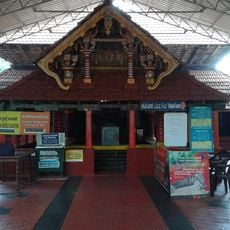
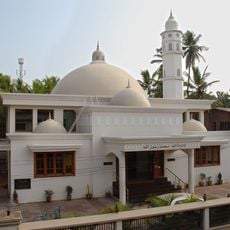
Andrott reflects a blend of influences from Kerala, Tamil Nadu, and the Middle East, visible in how locals dress, celebrate festivals, and maintain traditions passed down through generations. Handmade crafts like coconut shell products and woven mats sold in small markets show the living artisanal heritage that visitors can observe and purchase.
Walking through the villages is easy and rewarding, with locals welcoming visitors and offering glimpses of daily life, while clean beaches are readily accessible throughout the island. The best time to visit is during the cooler months, and the flat terrain makes exploring on foot straightforward.
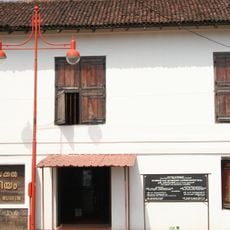
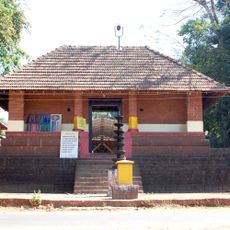
The tomb of Saint Ubaidullah, believed to have brought Islam to Lakshadweep centuries ago, and a lighthouse built in 1864 stand as unexpected historical landmarks on the island. These two sites offer views across the sea and tell stories of different periods that shaped the settlement.
The community of curious travelers
AroundUs brings together thousands of curated places, local tips, and hidden gems, enriched daily by 92,875 contributors worldwide.