Bishapur, Archaeological site in Kazerun County, Iran
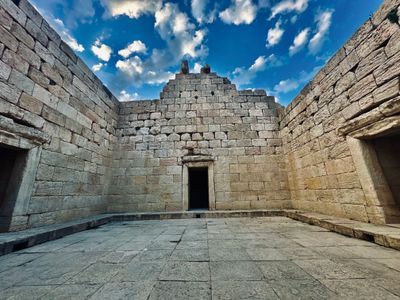
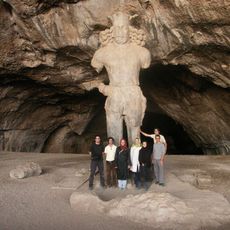
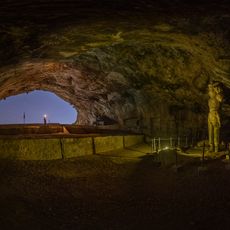
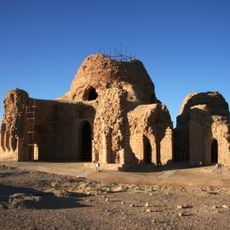
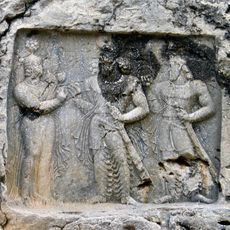
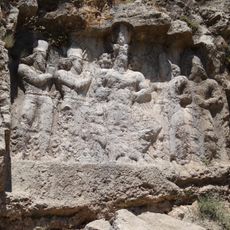
Bishapur covers approximately 494 acres (200 hectares) and features extensive Sasanian ruins including royal palaces, temples, city walls reaching 33 feet (10 meters) in height, and decorative rock reliefs carved into the surrounding gorge.
Founded in 266 AD by King Shapur I to commemorate his victory over Roman Emperor Valerian, Bishapur served as one of the Sasanian Empire's capitals until its abandonment around 1101 AD following tribal invasions and earthquakes.
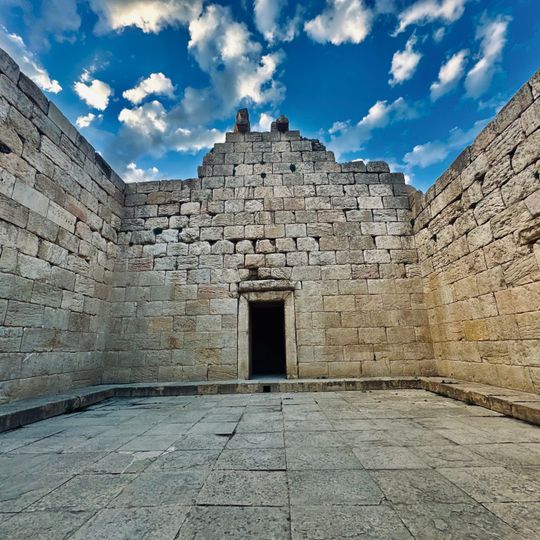
The city housed the Temple of Anahita dedicated to the water goddess, where religious ceremonies involving water and fertility rituals took place, reflecting the Zoroastrian practices of the Sasanian period and the importance of water in Persian culture.
Visitors can explore the ruins including the Valerian Palace, ceremonial halls with decorative mosaics, rock reliefs depicting royal victories, and the defensive fortress Qal'eh Dokhtar located on the mountain above the site, with admission requiring a fee.
The city was designed using a Roman-style grid plan rather than the traditional circular layouts of other Iranian cities, implemented by Roman prisoners of war who were captured after the Battle of Edessa in 260 AD.
The community of curious travelers
AroundUs brings together thousands of curated places, local tips, and hidden gems, enriched daily by 60,000 contributors worldwide.