Dejima, Historic site and open-air museum in Nagasaki, Japan
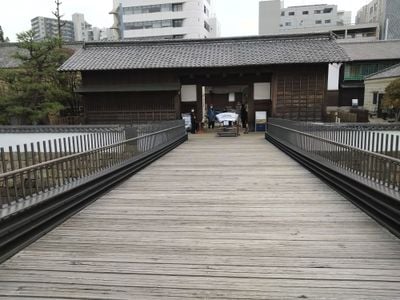
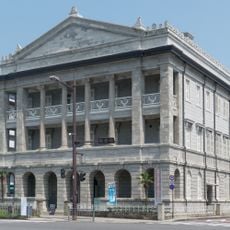
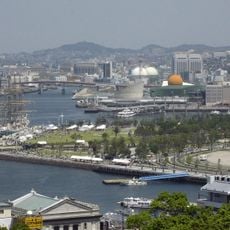
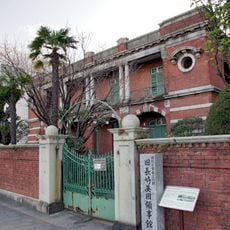
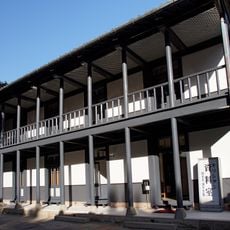
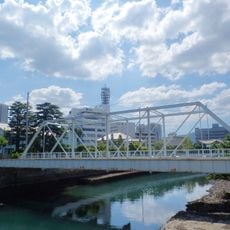
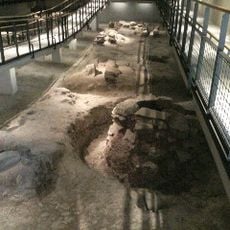
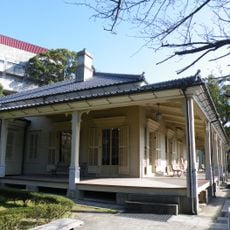
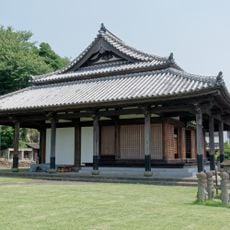
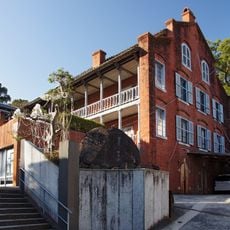
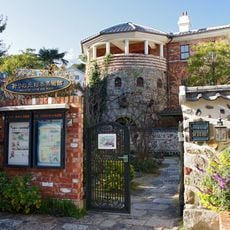
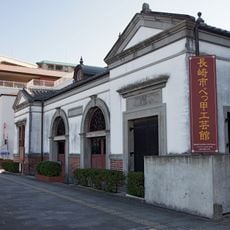
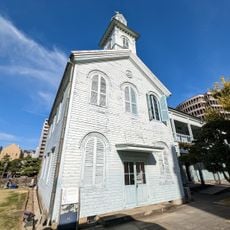
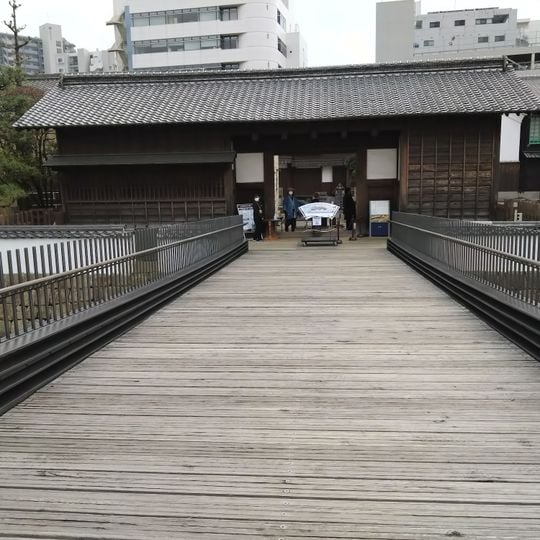
Dejima is a small artificial island turned open-air museum and historic site in Nagasaki city, southern Japan. The fan-shaped site features around 16 reconstructed buildings from the Edo period, including warehouses and residences, with pathways connecting them throughout.
Dejima was built in the 17th century by the Tokugawa shogunate to confine foreign traders, mainly Dutch merchants from the VOC, to a controlled space. The post remained Japan's only official link with Europe for over 200 years, until American ships pressured Japan to open its ports in the 1850s.
Some of the traders who lived on Dejima kept animals such as chickens, cows, and even an elephant on the island. They also brought goods like beer, chocolate, and European vegetables that were completely unknown in Japan at the time.
The site is open most days from morning until late evening, and visiting in the late afternoon lets you see the buildings lit up after dark. It is easy to reach by tram, with a short walk from the Dejima stop to the entrance gate.
Scholars such as Engelbert Kaempfer and Philipp von Siebold stayed on Dejima and collected plants, books, and scientific instruments that they later brought back to Europe. Through trade on this island, inventions like early cameras and balloons reached Japan for the first time.
The community of curious travelers
AroundUs brings together thousands of curated places, local tips, and hidden gems, enriched daily by 90,867 contributors worldwide.