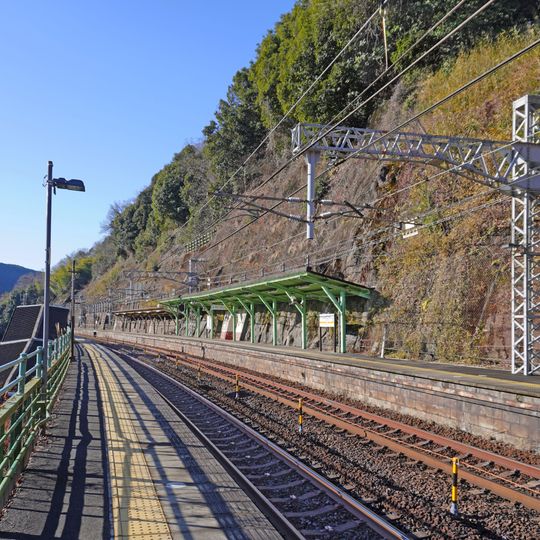
Jōkōji Station, Railway station in Kasugai, Japan
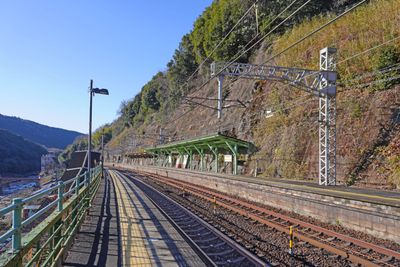
Jōkōji Station is a small railway stop situated on an embankment with two platforms facing each other across a level crossing. The station building sits below the tracks and houses automated ticket machines and TOICA turnstiles for passenger access.
The facility opened in 1919 as Tamano Signal Stop and was reconfigured in 1920 as a provisional stop before becoming a regular passenger station in 1924. This progression reflects Japan's gradual expansion of rail service to rural communities during that era.
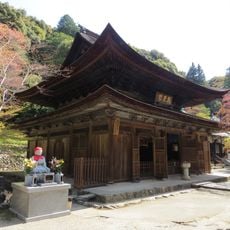
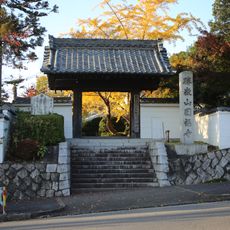
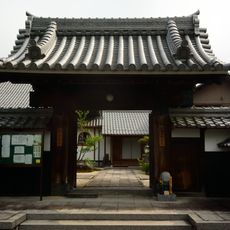
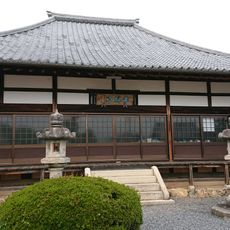
The station takes its name from the nearby Jōkōji Temple, which gave the surrounding area its identity. It serves as a quiet gathering point where local commuters pass through daily, reflecting the unpretentious character of rural railway stops.
The unstaffed facility operates independently with automated machines, so visitors need to manage tickets on their own using self-service equipment. Expect no information desk or assistance, but the simple layout makes basic navigation straightforward.
The station operates entirely unmanned, making it an unusual example where passengers rely completely on automation without a single staff member present. This setup is distinctive for rural Japanese stations and demonstrates the shift toward streamlined operations at smaller facilities.
The community of curious travelers
AroundUs brings together thousands of curated places, local tips, and hidden gems, enriched daily by 92,354 contributors worldwide.