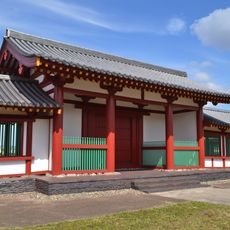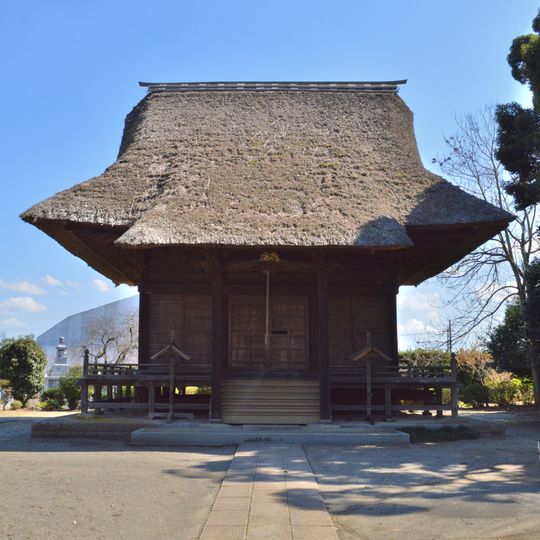
Kazusa Kokubun-ji, Provincial temple in Sōja, Japan
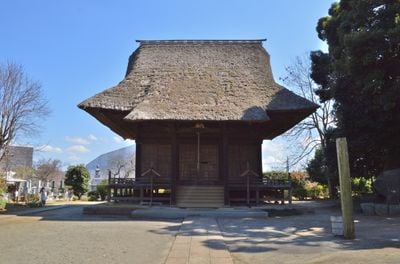
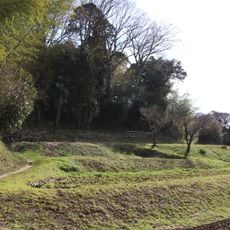
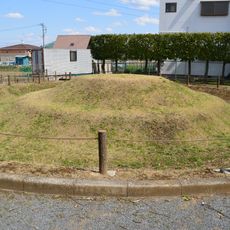
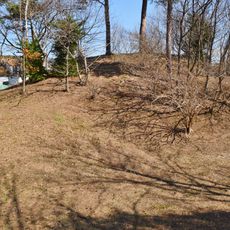
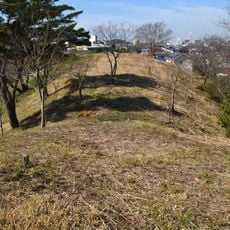
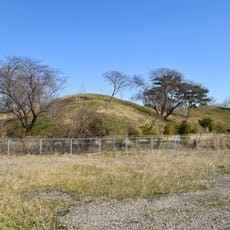
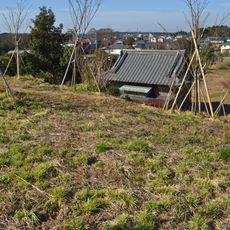
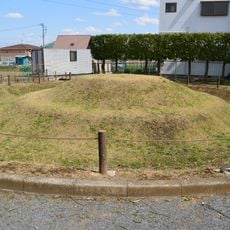
Kazusa Kokubun-ji is a provincial temple site in Sōja, Japan, designated as a Historic Site of Japan. What remains on the grounds today are the stone foundations of the main hall, a lecture hall, and the location where a pagoda once stood.
Emperor Shōmu ordered this temple built in 741 as one of a network of provincial temples meant to spread Buddhist practice across Japan. The site is among the earliest examples of the state directly organizing religious life on a national scale.
This temple was one of many built across Japan under the same name and purpose, forming a connected chain of state-sponsored Buddhist sites. Walking the grounds today, visitors can read the layout through the stone foundations and understand how the different buildings related to one another.
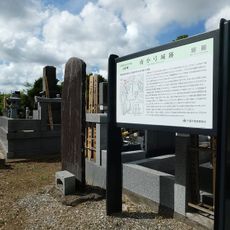
The grounds are open to walk around freely, and visitors can move between the stone foundations at their own pace. Information boards on site help identify where each building once stood and give a sense of the original layout.
Excavations in the 1960s found kilns on the grounds where roof tiles were fired during the original construction, meaning part of the manufacturing process happened right on site. This makes the grounds not just a place of worship but also a record of how large temple complexes were built in 8th-century Japan.
The community of curious travelers
AroundUs brings together thousands of curated places, local tips, and hidden gems, enriched daily by 91,441 contributors worldwide.