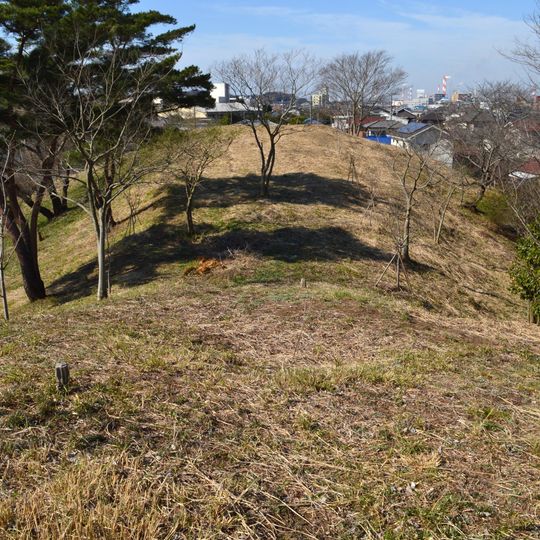
Anesaki Futago-zuka Kofun, Keyhole-shaped burial mound in Chiba Prefecture, Japan
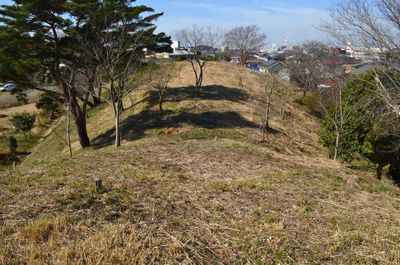
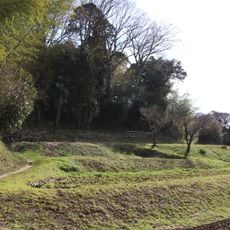
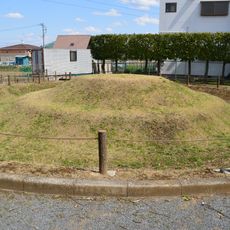
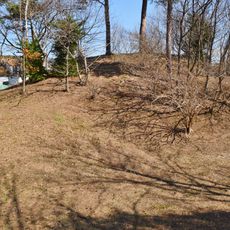
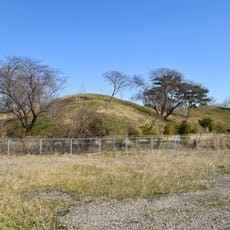
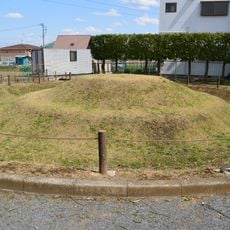
The Anesaki Futago-zuka Kofun is an ancient burial mound where a rectangular front section connects to a circular rear portion, creating a keyhole outline when viewed from above. Clay figurines called haniwa surround the site, marking and protecting the burial ground.
The tomb was built between the 3rd and 7th centuries during the Kofun period, when centralized authority began to emerge in ancient Japan. Such monumental burial mounds were built for elite members and show the power structures of that time.
The haniwa clay figurines marking the sacred space depict people, horses, and everyday objects from that era. These sculptures reveal what mattered in the daily lives of people during this remote period.
Public access to the site is restricted because it is managed by the Imperial Household Agency. Researchers and archaeologists can obtain special permission to enter for investigations and study.
The name Futago-zuka literally means 'two children mound' in Japanese, suggesting it may be linked to local legends or historical figures. This naming reveals how people in ancient Japan remembered and passed down stories about their sacred sites.
The community of curious travelers
AroundUs brings together thousands of curated places, local tips, and hidden gems, enriched daily by 92,116 contributors worldwide.