Anesaki Kofun Cluster, Ancient burial mounds in Ichihara, Japan
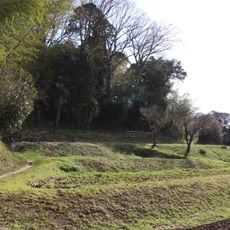
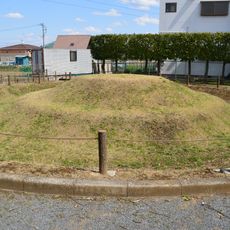
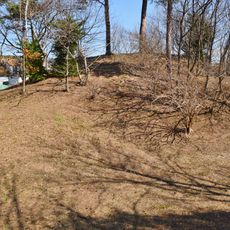
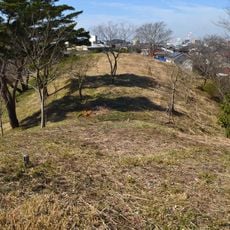
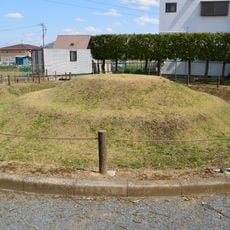
The Anesaki Kofun Cluster spreads across the alluvial plain and a 30–40 m plateau on the south bank of the lower Yoro River in Ichihara, Chiba Prefecture. It comprises 11 keyhole-shaped tombs, 2 keyhole-shaped square tombs, 20 round tombs and 1 square tomb, though many have been lost. The largest, Anesaki Tenjinyama Kofun, is 130 m long with its front facing west.
These burial mounds were built between the late 4th and late 7th centuries, showing how burial customs changed over time in the region. The earliest and largest mound is the keyhole-shaped Tenjin Mountain Tomb, indicating it belonged to someone of high status.
The burial sites reflect how ancient Japanese people honored their dead and what objects they thought were important for the afterlife. The size and shape of each mound tell us about the social standing of those buried within.
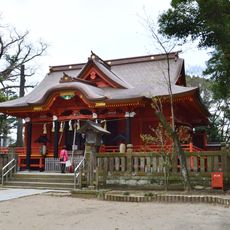
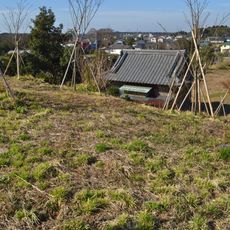
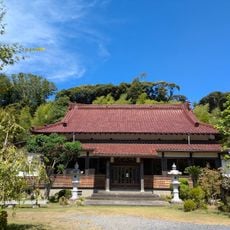
The mounds lie on both the alluvial plain and the 30–40 m plateau south of the Yoro River. Anesaki Shrine, about 600 m west of the Tenjin Mountain Tomb, makes a useful starting point; the Shakyayama Tomb is just south of it. Expect uneven ground and no marked trails between most mounds.
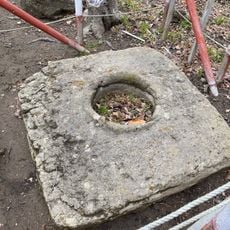
The Futakuzuka Tomb yielded a stone pillow carved with a curvilinear pattern, along with silver earrings and bronze mirrors. These finds are among the finest objects from the Anesaki cluster, yet later tombs in the area produced far fewer grave goods, hinting at the declining fortunes of the local Shanghai-kami no kuni no miyatsuko chieftains.
The community of curious travelers
AroundUs brings together thousands of curated places, local tips, and hidden gems, enriched daily by 93,849 contributors worldwide.