Anesaki Tenjin-yama Kofun, Ancient burial mound in Ichihara, Japan
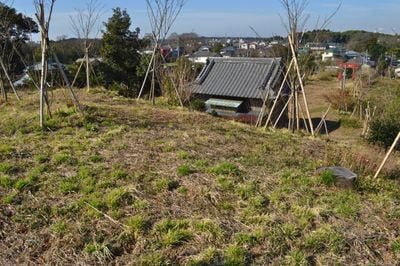
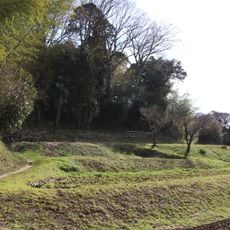
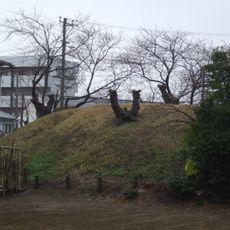
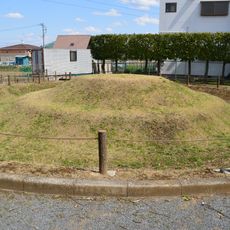
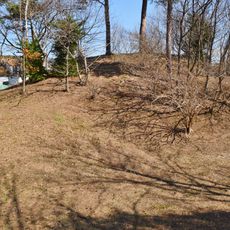
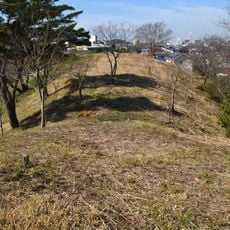
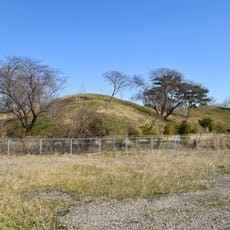
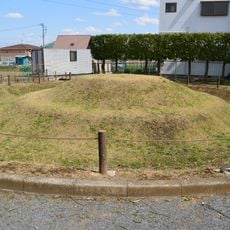
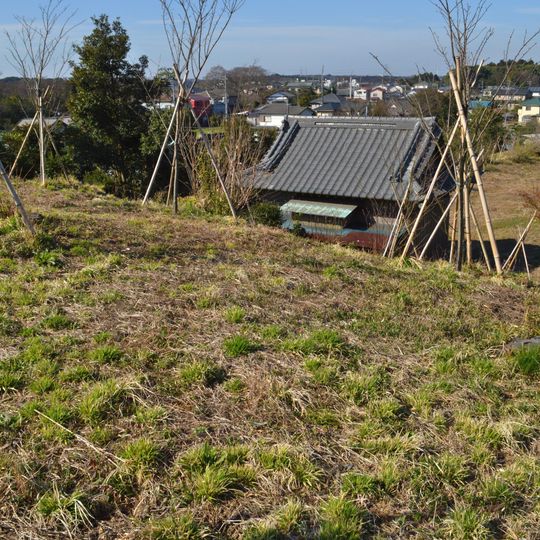
Anesaki Tenjin-yama Kofun is a keyhole-shaped burial mound with a rounded front section connected to a rectangular rear portion. The structure covers a significant area and displays the construction methods typical of ancient tomb architecture from its period.
This burial mound dates to the 5th century and represents the architectural practices of the Kofun period, which lasted from the 3rd to 7th centuries in Japan. This era was defined by the construction of elaborate tomb structures as symbols of power and social standing.
Clay figurines called haniwa were placed around the tomb following ancient burial customs of the time. These objects tell us about what mattered to the people who built this structure.
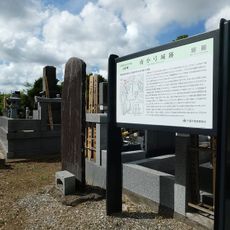
The site is located in Chiba Prefecture and designated as a Historic Site of Japan. Visitors should maintain respectful distance from the mound and follow the rules in place at the location.
Excavations have uncovered numerous artifacts revealing the careful methods used by the builders of this structure. The items found during these digs provide insight into the skilled techniques and materials employed in ancient tomb construction.
The community of curious travelers
AroundUs brings together thousands of curated places, local tips, and hidden gems, enriched daily by 91,523 contributors worldwide.