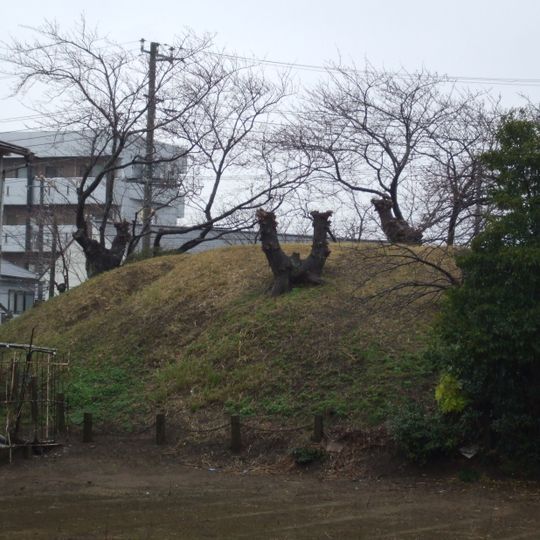
Kinreizuka Kofun, Keyhole-shaped burial mound in Kisarazu, Japan.
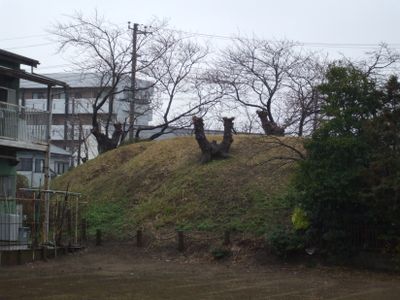
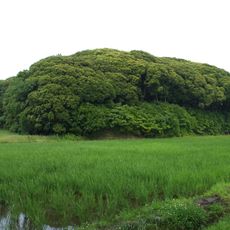
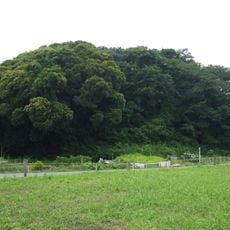
Kinreizuka Kofun is a keyhole-shaped burial mound in Kisarazu, Japan, made up of a rounded front section joined to a rectangular rear section. The mound is partially destroyed today, though its overall shape is still readable from ground level.
The mound was built during the Kofun period, roughly between the 3rd and 6th centuries CE, when powerful clans constructed large tombs to mark their status. The Kisarazu area was clearly an important location during that era, given the number of similar mounds found nearby.
The name Kinreizuka roughly translates to "golden bell mound," a poetic label that hints at the objects once buried inside. Visitors walking around the mound today can still make out its double shape, which marks it as a tomb reserved for someone of high standing.
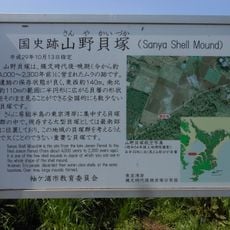
The site is part of a cluster of ancient burial mounds in the Kisarazu area, so it makes sense to plan enough time to walk between several of them. Since the mound is partially destroyed, reading a site map or information panel beforehand helps to understand what you are looking at.
Even in its damaged state, the mound's outline still follows the classic keyhole shape that was used only for the most powerful figures of the Kofun period. This shape was not chosen randomly: it appears to have been a deliberate marker of the highest social rank, and no other tomb type from that era carries the same form.
The community of curious travelers
AroundUs brings together thousands of curated places, local tips, and hidden gems, enriched daily by 91,399 contributors worldwide.