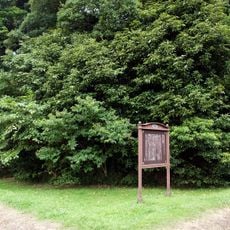
Gōdo Kofun Cluster, Kofun cluster in Sōja, Ichihara, Japan
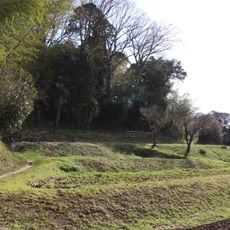
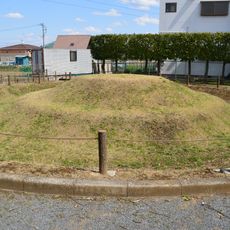
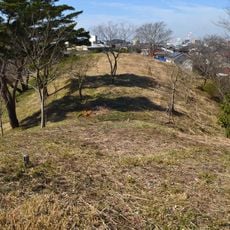
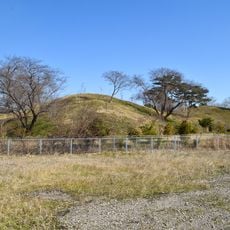
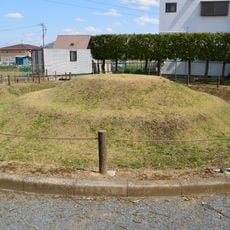
The Gōdo Kofun Cluster in Sōja, Ichihara, Chiba Prefecture, consists of three keyhole-shaped mounds (zenpō-kōen-fun), three square mounds, and one round mound on the western edge of the Ichihara Plateau. Mound 5, the oldest, has a total length of 36.5 m (reconstructed 42.5 m), a rear circular section 31.5 m long and 32 m wide, and a poorly developed front section 11 m long and 12 m wide, with a height of 5.9 m.
The cluster comprises three keyhole-shaped, three square and one round mound on the western edge of the Ichihara plateau above the lower Yōrō River. Excavations in 1948 and 1983 dated Mound 5, the oldest, to the mid-to-late 3rd century, followed by Mounds 4 and 3 within a short span. Mound 5 was designated a Chiba Prefecture historic site on 10 March 1989.
The name Gōdo is written with the characters for "god" and "gate". Mound 5 was designated a Chiba Prefecture historic site on 10 March 1989, the only mound in the cluster with that status. The three keyhole-shaped mounds are classed as early Makimuku-type tombs, and their moat forms show mound 5 was built first, then mound 4, then mound 3.
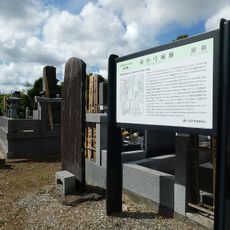
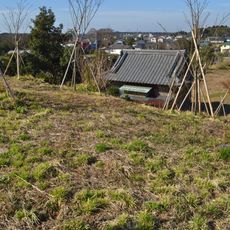
Walking around the site is the best way to see the mounds, with information panels at key spots explaining what you are viewing. Good walking shoes are a good idea since the terrain is uneven and you will likely spend time moving between the different burial structures.
Mound 5 was designated a Chiba Prefecture historic site on 10 March 1989. It was dug in 1948 and again in 1983, yielding an iron sword, two iron arrowheads and six glass beads; its front section is unusually undeveloped for a keyhole tomb.
The community of curious travelers
AroundUs brings together thousands of curated places, local tips, and hidden gems, enriched daily by 93,756 contributors worldwide.