Isono-jinja, Shinto shrine in Japan
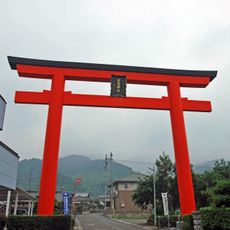
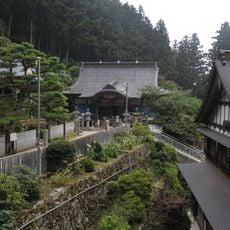
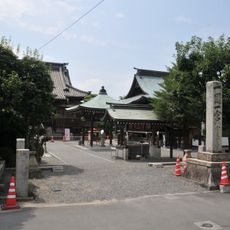
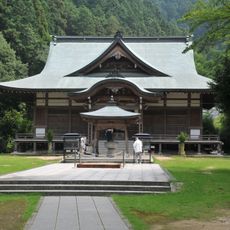
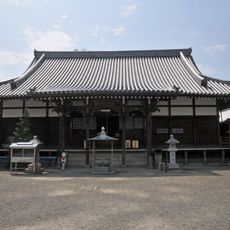
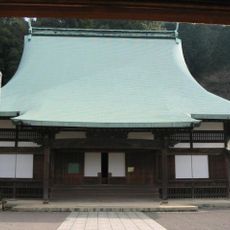
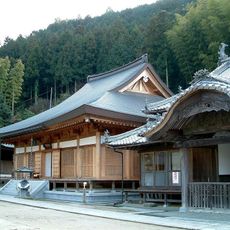
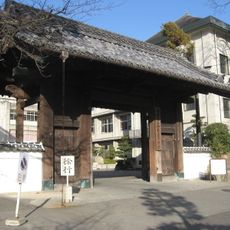
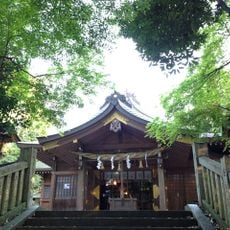
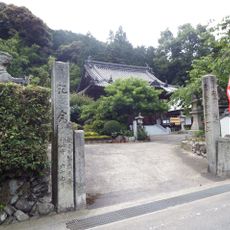
Isono-jinja is a Shinto shrine in Saijō built in the Shinmei-zukuri style, characterized by simple lines and a straightforward wooden main building. The complex features a wooden torii gate at the entrance, is surrounded by large camphor trees, and includes purification basins, auxiliary shrines, and a raised structure with supporting pillars that reflect traditional storehouse designs.
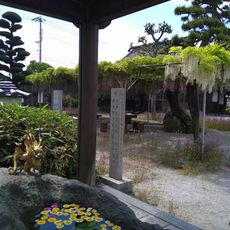
The shrine was founded in 158 A.D. during the reign of Emperor Seimu and served as the principal shrine of Iyo Province during the Nara Period, indicating its significant historical importance. Historical records suggest that an imperial crown prince visited the shrine, and ancient stone inscriptions document its long presence in the region.
The shrine serves as a gathering place for the local community, particularly during the Isono Jinja Sairei festival in July when large decorated carts parade through the streets. Visitors leave personal wishes written on wooden plaques that are hung at the shrine, creating a shared space of hopes and prayers.
The shrine is about nine minutes by taxi from JR Iyo Saijo Station and offers free parking for visitors. The quiet grounds with minimal tourist traffic allow for a relaxed exploration of the shrine and surrounding nature without crowds.
The large camphor trees with their widely spreading branches define the shrine's character and are particularly striking due to their size and distinctive form. These ancient trees are considered sacred and regularly capture the attention of visitors who admire their natural beauty and presence.
The community of curious travelers
AroundUs brings together thousands of curated places, local tips, and hidden gems, enriched daily by 60,000 contributors worldwide.