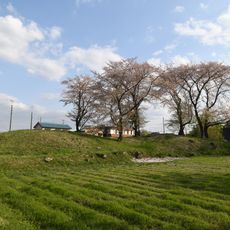
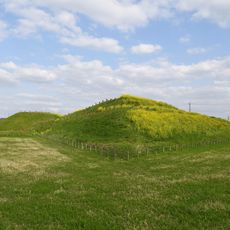
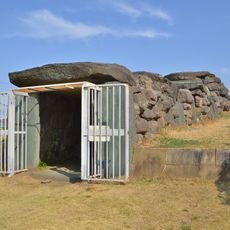
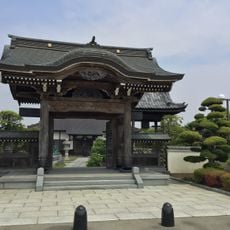
Omishinkanji Kofun, Ancient burial mound in Gyoda, Japan
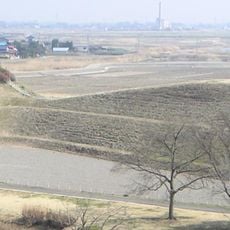
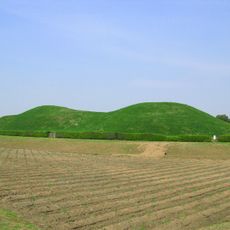
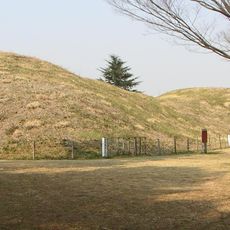
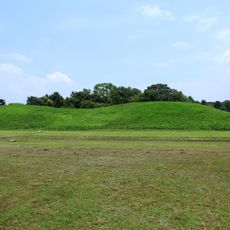
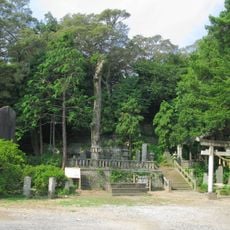
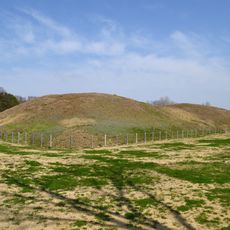
Omishinkanji Kofun is a keyhole-shaped burial mound measuring about 102 meters long with two underground stone chambers containing grave goods from the late 6th century. The structure features a rectangular front section and a rounded rear section typical of later tombs from this period.
The mound was built between 500 and 600 CE and represents the final keyhole-shaped tomb constructed in the Gyoda region. Its construction marked the end of kofun building traditions in this area as burial practices evolved over time.
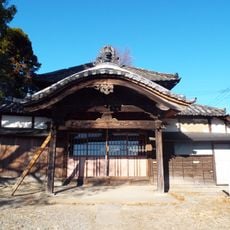
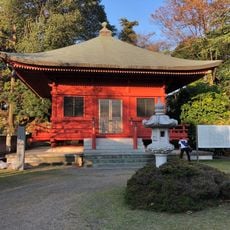
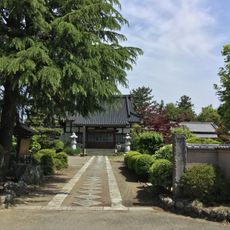
The site's name references a temple that stood nearby since ancient times, linking sacred and burial functions. Today, visitors can observe how these two roles merged in the landscape and shaped the way people used this place.
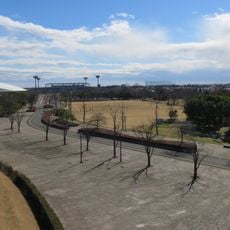
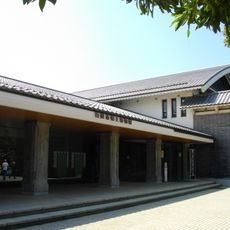
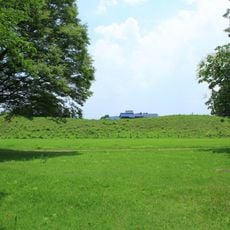
The mound is located within Sakitama Kofun Park, where a museum offers context for understanding the site. Walking paths circle the mound, and the entire park area is easy to navigate on foot.
The tomb contained gold-plated ornaments that reveal how precious metals moved from burial contexts into religious use during this transition period. These objects show shifts in what people valued most during fundamental changes in spiritual practices.
The community of curious travelers
AroundUs brings together thousands of curated places, local tips, and hidden gems, enriched daily by 90,923 contributors worldwide.