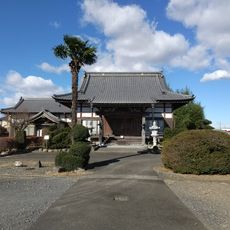
Sakitama Kofun Cluster, Ancient burial mound complex in Gyoda, Japan
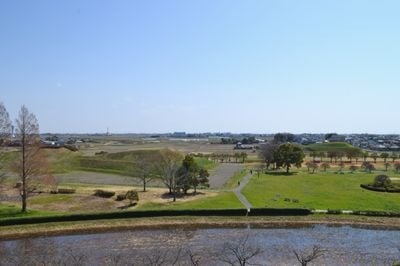
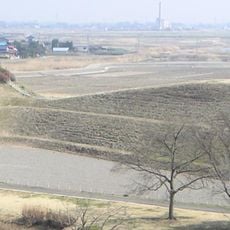
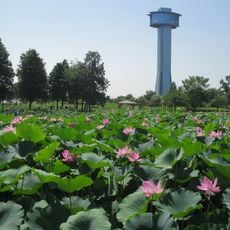
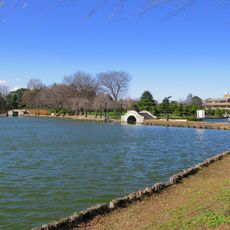
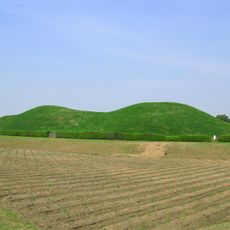
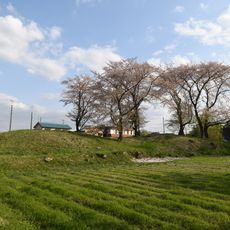
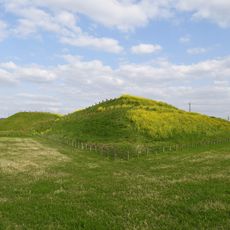
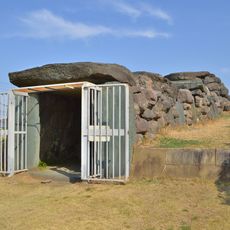
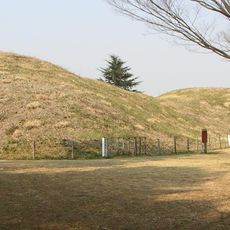
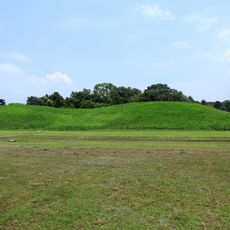
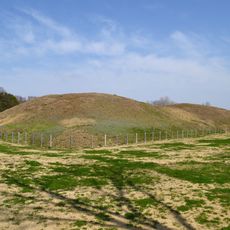
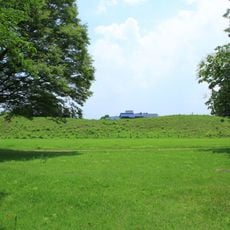
The Sakitama Kofun Cluster is a field of ancient burial mounds in Gyōda, Japan, with nine large structures sitting in a public park beside a river. Eight take the shape of a keyhole, one is round, and all rise as wooded hills from the flat plain.
Built between the late fifth and seventh centuries, these mounds mark the last chapter of the East Asian tradition of burying rulers in monumental tombs. The practice faded afterward, as new ideas about graves and power took root.
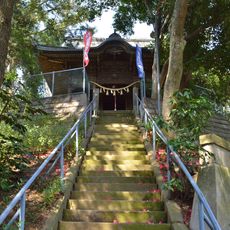
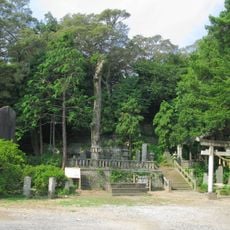
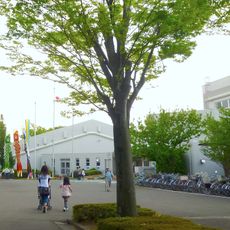
The name Sakitama gave rise to the prefecture's name, and the mounds carry their own: Inariyama from a small Inari shrine once on top, Maruhakayama from its round shape, Teppoyama from an Edo-period gunnery range. At Haniwa Hall in the park, visitors shape clay haniwa, the cylinders and figures found in quantity at Kawarazuka Kofun.
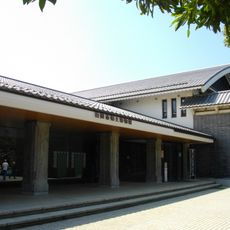
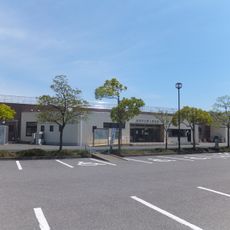
The park provides parking for dozens of vehicles, grassy areas with benches to rest, and access along walking paths that run between the mounds. A museum nearby displays finds and explains the tomb shapes in detail.
An iron sword found in one of the tombs carries an inlaid inscription in gold and ranks among the oldest written records in Japan. The characters tell of the owner and his standing, long before paper became common.
The community of curious travelers
AroundUs brings together thousands of curated places, local tips, and hidden gems, enriched daily by 93,317 contributors worldwide.