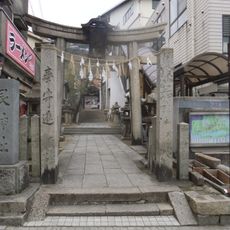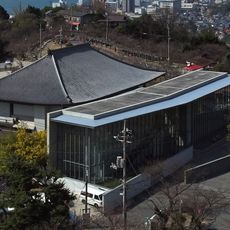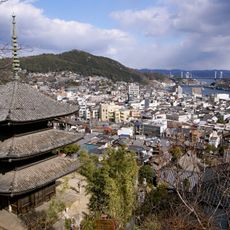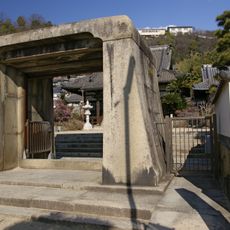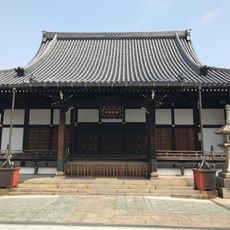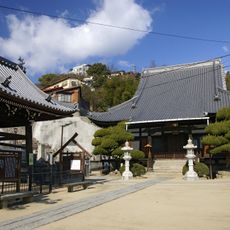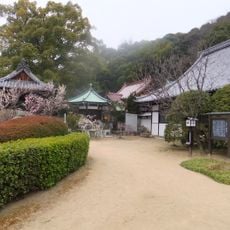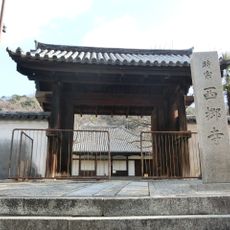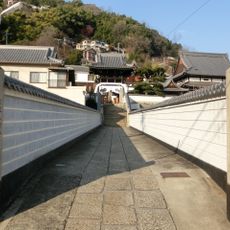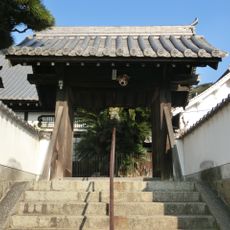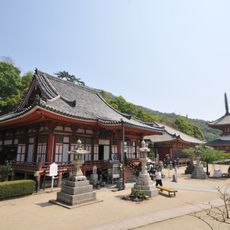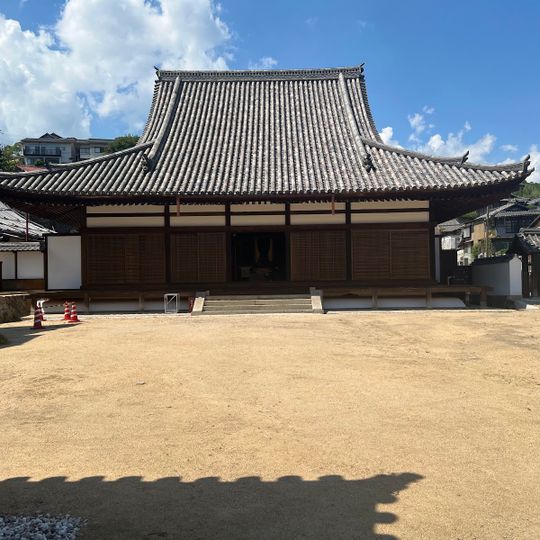
Jōshō-ji, Buddhist temple and Important Cultural Property in Onomichi, Japan
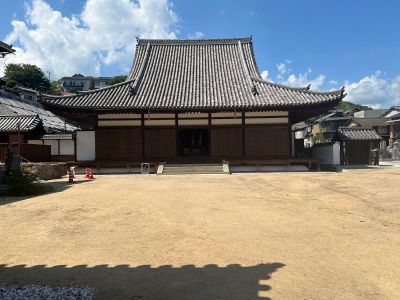
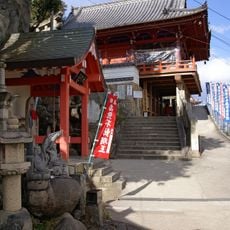
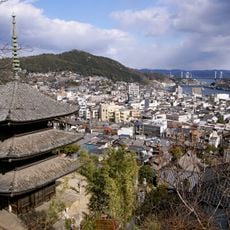
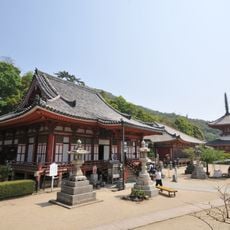
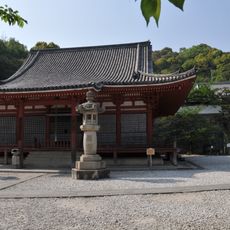
Jōshō-ji is a Buddhist temple in central Onomichi featuring traditional wooden buildings with ornate roof designs that display construction methods from the Kamakura period. The compound consists of multiple interconnected structures arranged across sloped terrain, creating a sense of depth and spatial organization.
A monk called Shinkyō established this temple in 1309 during a period when Buddhism was gaining broader influence throughout the Japanese islands. The construction and subsequent evolution of the buildings over centuries shaped it into an important example of religious architecture worthy of preservation.
The site functions as an active place of worship where visitors can observe monks conducting daily rituals and ceremonies throughout the grounds. The spatial layout reveals how Buddhist practitioners organize their religious life, with each area serving specific purposes in their spiritual practice.
Visitors can move freely across the grounds and explore different buildings, though sturdy shoes are advisable due to uneven terrain throughout the site. Certain areas may be restricted during ceremonies, so it helps to walk slowly through the compound and watch for signs indicating restricted zones.
The temple grounds display visible craftsmanship details in how timber joints connect and fit, reflecting handwork methods from multiple generations of builders. These constructive features have become less apparent in modern repairs, yet they remain clearly visible in the original sections of the compound.
The community of curious travelers
AroundUs brings together thousands of curated places, local tips, and hidden gems, enriched daily by 92,425 contributors worldwide.