Shikitsu Matsunomiya, Shinto shrine in Japan
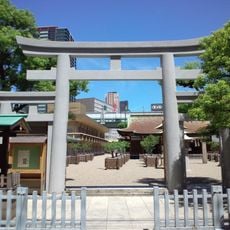
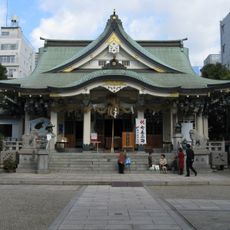
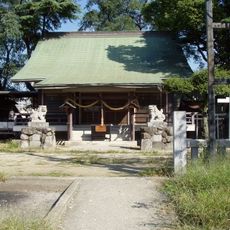
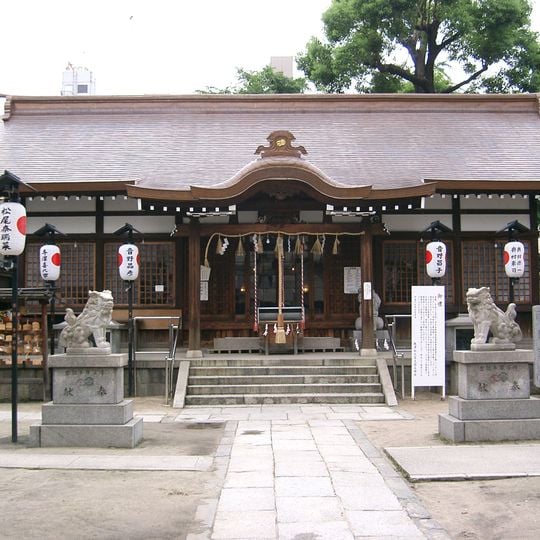
Shikitsu Matsunomiya is a Shinto shrine located in the Shikitsu-nishi area, serving as a local worship site. The grounds feature standard shrine elements such as an entrance gate, a main prayer hall, and surrounding structures that make up the full site.
According to tradition, Empress Jingū planted three pines on the Shikitsu shore after returning from Korea and enshrined Susanoo beneath them. In February 1744 (Enkyō 1), an oracle led to the transfer of Ōkuninushi from Izumo Taisha, and the Ōkuninushi shrine was built. It drew crowds from Osaka on Kōshi days, and the Daikokubashi bridge over the Dōtonbori takes its name from its approach path.
Locals call the shrine Kizu no Daikoku-san, and its subsidiary Ōkuninushi-jinja gives its name to the Daikokuchō district and subway station. It is one of the seven lucky gods shrines of Osaka, honouring Ōkuninushi as Daikokuten, and crowds gather on Kōshi days. The approach once gave the Daikoku Bridge over the Dōtonbori River its name.
Visitors should wear respectful clothing and follow basic etiquette for sacred spaces. It is customary to perform a quick purification at the entrance and to keep noise levels low to maintain the calm setting for others.
In the grounds stands a statue of Kizu Kansuke (Nakamura Kansuke), credited with developing the land that is now Naniwa and Taishō wards. The shrine also has statues of mice, animals linked to a myth in the life of Ōkuninushi. The neighbourhood name Daikokuchō and the station name come from this shrine.
The community of curious travelers
AroundUs brings together thousands of curated places, local tips, and hidden gems, enriched daily by 93,357 contributors worldwide.