Tōkō-ji, Buddhist temple in Hagi, Japan
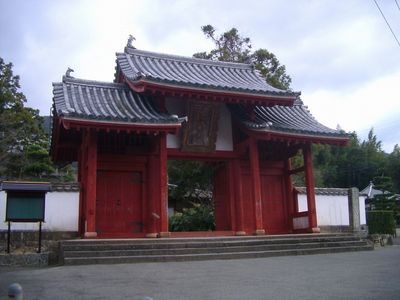
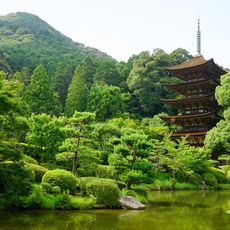
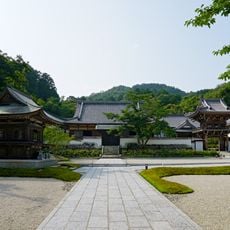
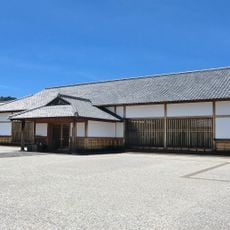
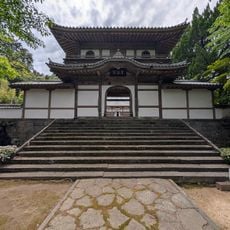
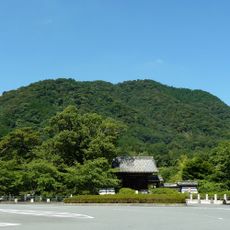
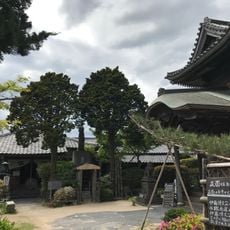
Tōkō-ji is a Zen temple set within a forest landscape, with several wooden structures featuring architectural influences from China and framed by a distinctive red entrance gate. The buildings are arranged thoughtfully throughout the grounds, creating spaces that blend traditional design with the natural surroundings.
The temple was founded in 1691 by Mori Yoshinari, the third lord of the Hagi domain, following the teachings of the Obaku school of Zen Buddhism. This establishment reflects the spiritual and political significance of such institutions during that era of Japanese history.
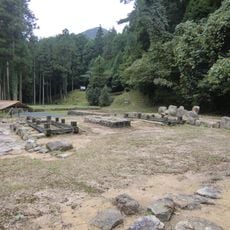
The cemetery here holds deep meaning for the local community as a burial ground for members of the Mori clan, one of the region's most important families. Walking through the graves among the trees connects visitors to the way people honored their ancestors over centuries.
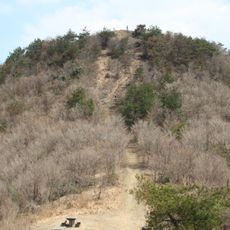
The temple is easily accessible to visitors and can be reached on foot or by local bus from Hagi city center. Comfortable walking shoes are recommended since exploring the cemetery involves forest paths with uneven terrain.
Around 500 stone lanterns are lit during the Obon festival in August, creating a visual path believed to guide ancestral spirits back to their resting places. This illuminated landscape transforms the forest grounds into a space where living visitors can sense the connection between past generations and present time.
The community of curious travelers
AroundUs brings together thousands of curated places, local tips, and hidden gems, enriched daily by 60,000 contributors worldwide.