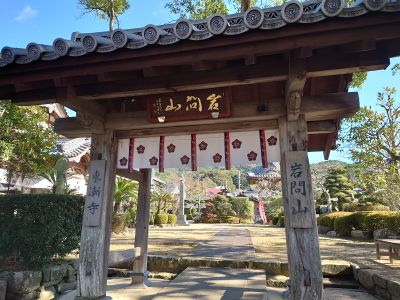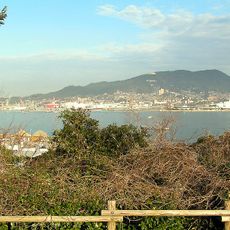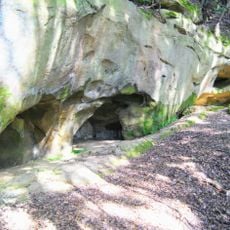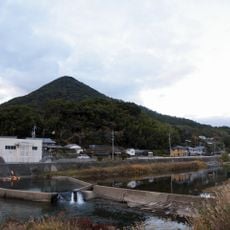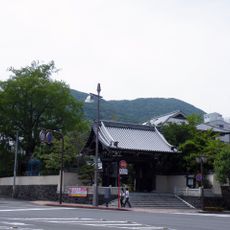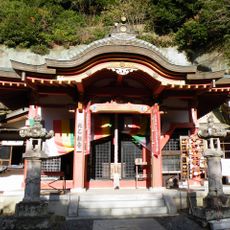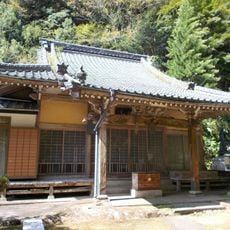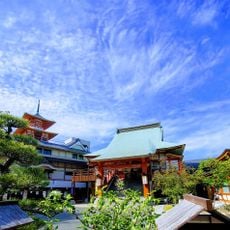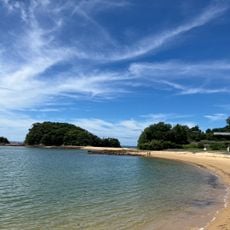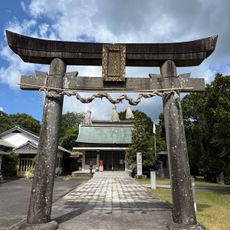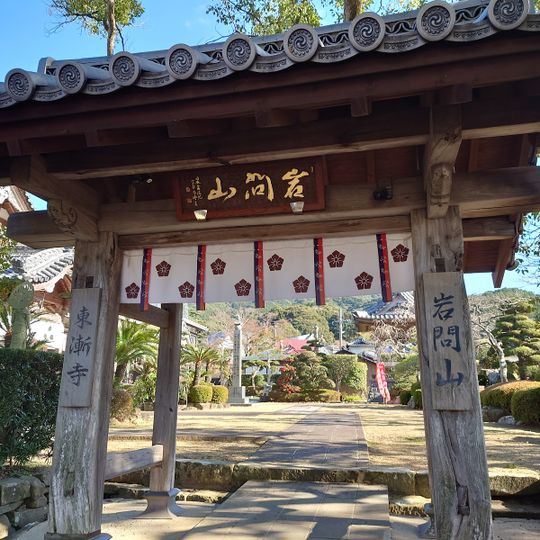
Tōzen-ji Temple, Buddhist temple in Sasebo, Japan.
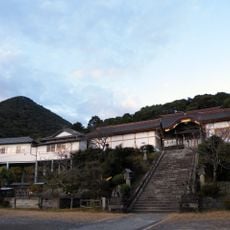
Tōzen-ji is a Shingon Chizan school temple in Nakazato, Sasebo, with the mountain name Iwatomi-san and a standing Yakushi Nyorai image from the Muromachi period. Its main hall stands on the site where the monk Kankai founded the temple in 986, while the older Yakushi-dō founded by Gyōki in the Nara period serves as the inner sanctuary. The temple is the head temple for the festival of the Shōgun Jizō at Atago-yama.
The temple's origin is the Iwatomi-san Yakushi-dō, said to have been founded by Gyōki during the Wadō era (708–715) and later made its inner sanctuary. In 986 the monk Kankai established the temple at its present site. It was revived in 1626 by the monk Kyōi. During the Muromachi and Sengoku periods it was the family temple of the Sōke Matsura clan, but after that clan was destroyed by the Hirado clan it became a prayer temple of the Hirado domain.
The temple serves as the 74th stop on the Kyushu 88 Sacred Places pilgrimage route and hosts traditional Buddhist ceremonies year-round. Many pilgrims visit to complete this sacred journey and connect with the spiritual practices held here.
The temple stands at 250 Nakazato-chō, Sasebo, reachable on foot in about 15 minutes from Motoyama Station on the Matsuura Railway Nishi-Kyūshū Line. The precinct lies at the foot of Atago-yama, and the approach to the hall and the hilltop okunoin involves walking on sloping ground.
The temple's bronze mirror, made in the early Edo period, is a designated cultural property of Sasebo. The temple also keeps the tombstone of Mune, 13th head of the Sōke Matsura clan and castellan of Takebe Castle, and serves as the officiating temple for the Shōgun Jizō festival on Mount Atago.
The community of curious travelers
AroundUs brings together thousands of curated places, local tips, and hidden gems, enriched daily by 93,381 contributors worldwide.