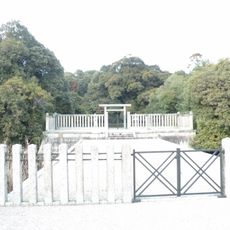
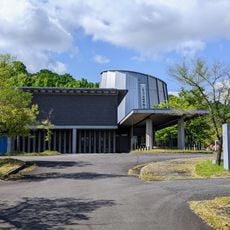
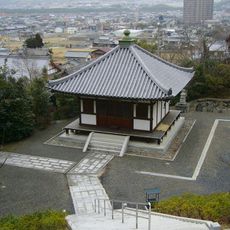
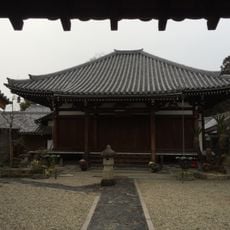
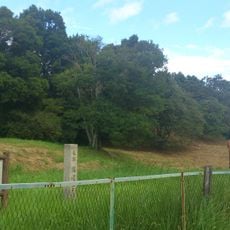
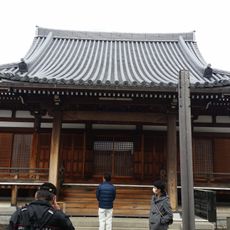
Tsubai Otsukayama Kofun, Keyhole-shaped burial mound in Kizugawa, Japan
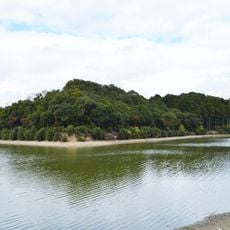
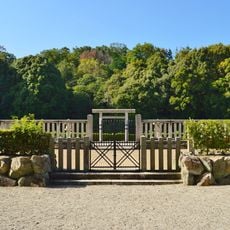
The Tsubai Otsukayama Kofun is a keyhole-shaped burial mound in Kizugawa stretching 180 meters long, with its circular section measuring 70 meters across. A stone burial chamber sits within the mound, housing the archaeological remains of this ancient burial site.
This mound was built during the Kofun period between the 3rd and 6th centuries and received its National Historic Site designation in 2008. It was erected at a time when powerful leaders commissioned such massive earthworks to mark their final resting places.
The burial chamber once held more than 40 bronze mirrors, including pieces decorated with triangular rims and divine beast imagery, along with iron weapons and tools from ancient Japan. These objects reveal the craftsmanship and spiritual beliefs of the people who built this monument over 1,500 years ago.
The site is walkable from Kamikoma Station on the JR West Nara Line, requiring about 20 minutes on foot. Checking local information before visiting helps to understand the current condition and accessibility of the mound.
The interior walls of the stone chamber were painted red with vermilion pigment, and archaeologists found cinnabar scattered across the clay floor during excavations. This red coloring was a ritual element that emphasized the importance of this burial.
The community of curious travelers
AroundUs brings together thousands of curated places, local tips, and hidden gems, enriched daily by 92,098 contributors worldwide.