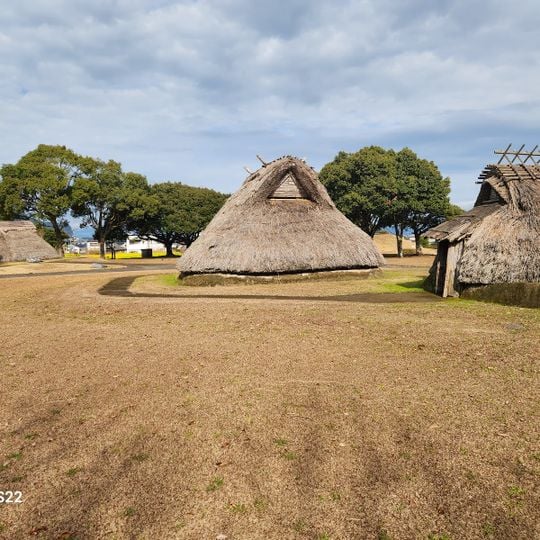
Hashimuregawa Site, Historic archaeological site in Jūnichō, Japan
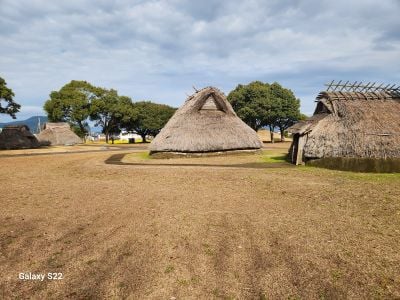
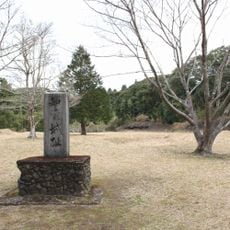
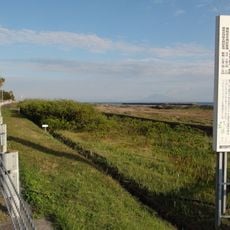
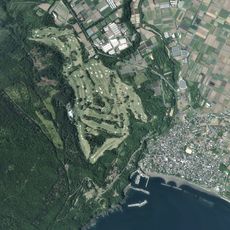
The Hashimuregawa Site in Ibusuki is a stratified archaeological site spanning the Jōmon to Heian periods, where a layer of volcanic ash separates Jōmon pottery below from later pottery above. Excavations in 1918 and 1919 by Hamada Kōsaku and Hasebe Kotondo established this sequence. A pit dwelling has been reconstructed on the grounds, which are now a park.
The site was first discovered in 1916 and officially designated as a National Historic Site in 1924. The artifacts come from a period when people here were hunter-gatherers.
The pottery and stone tools found here reveal how early people lived and worked in this area. They show the daily skills and craft traditions of these ancient inhabitants.
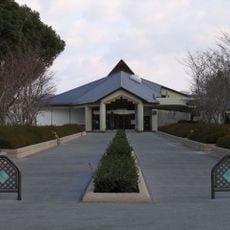
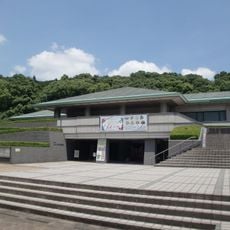
The Ibusuki Archaeological Museum is located nearby and displays original pieces from the site. Visitors can view the finds and learn more about the ongoing excavations.
The upper-layer pottery that Hamada identified as Yayoi in 1918 was later reclassified as Narukawa-style pottery of the late Kofun period. The stratigraphy still proved that Jomon pottery predates Yayoi, settling the debate. Hamada also compared the ash layers to the Nihon Sandai Jitsuroku and called the site "the Pompeii or Santorini of the East."
The community of curious travelers
AroundUs brings together thousands of curated places, local tips, and hidden gems, enriched daily by 94,830 contributors worldwide.