Yōmei-ji, Buddhist temple in Tsuwano, Japan
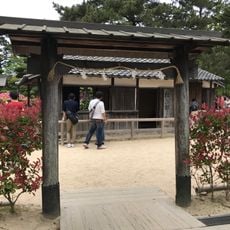
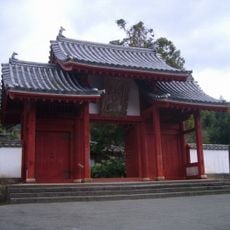
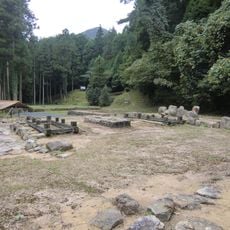
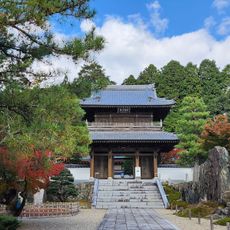
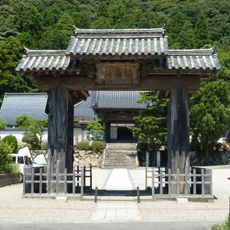
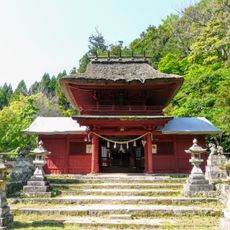
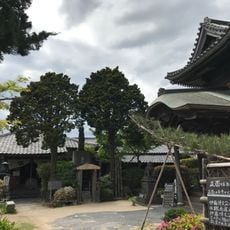
Yōmei-ji is a Sōtō Zen temple in Tsuwano, Shimane Prefecture, with the mountain name Kakōzan. Its main hall, kitchen quarters and bell tower are prefecturally designated cultural properties, and the temple grounds form part of the national historic site of the Kamei clan cemetery. The main image is a statue of Shakyamuni Buddha.
Founded in 1420, the temple became the family shrine of the Kamei clan who ruled the Tsuwano domain. It remained connected to the region's leadership and history for centuries afterward.
The name Yōmei-ji means "temple of eternal light". The temple belongs to the Sōtō school of Zen Buddhism, and its mountain title is Kakuyō-zan. In the cemetery, the grave of Sakazaki Dewa-no-kami, who fought at the Siege of Osaka and later committed seppuku after the Senhime affair, is inscribed "Sakai Dewa-no-kami", apparently to avoid the shogunate's displeasure.
Yōmei-ji stands in the Gotanda district of Tsuwano, about 15 minutes on foot southwest of JR Tsuwano Station on the Yamaguchi Line. The temple grounds, which include the Kamei clan cemetery, are a designated national historic site, so expect to cover uneven paths between the halls and graves.
The cemetery holds the grave of celebrated writer Mori Ogai, who requested that his birth name Mori Rintaro be used on his marker. This detail connects literary history to the temple grounds in an unexpected way.
The community of curious travelers
AroundUs brings together thousands of curated places, local tips, and hidden gems, enriched daily by 94,370 contributors worldwide.