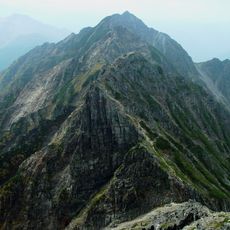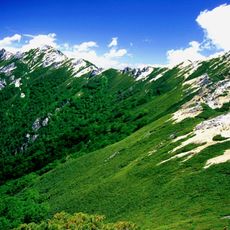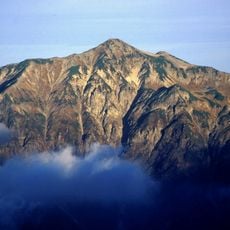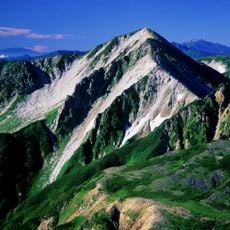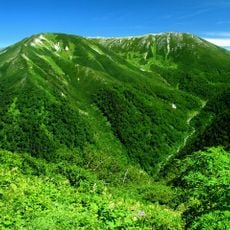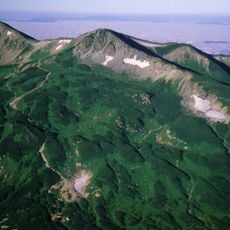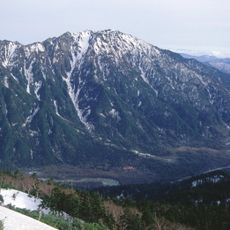
Karasawa Cirque, Glacial cirque in Matsumoto, Japan
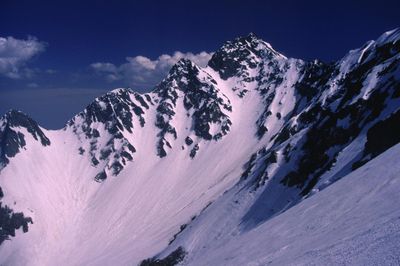
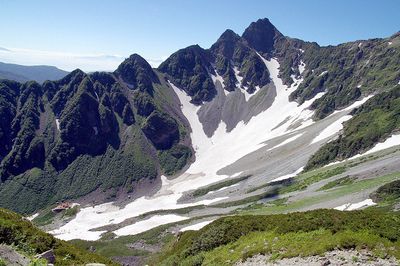
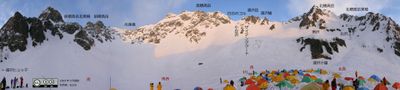
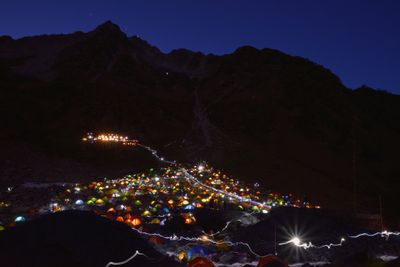
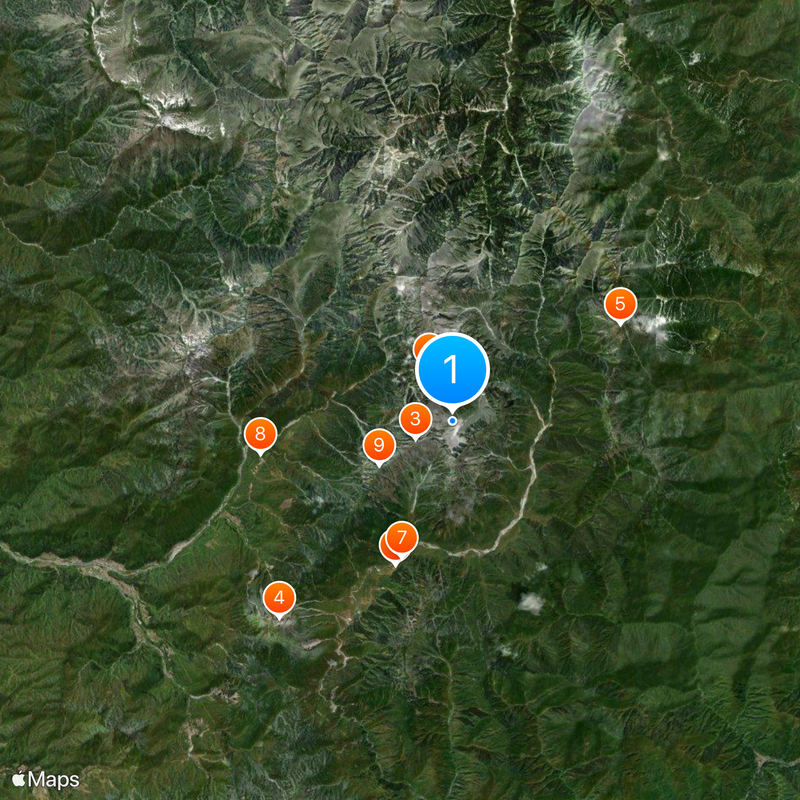
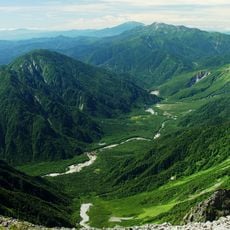
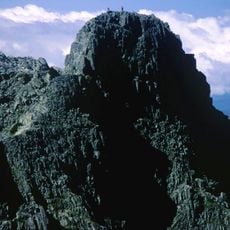
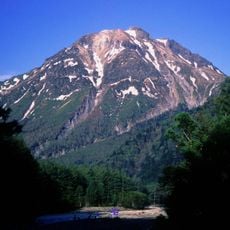
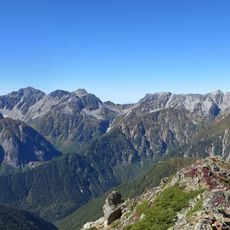
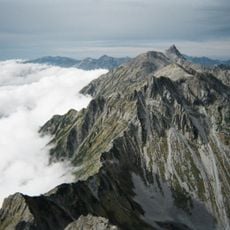
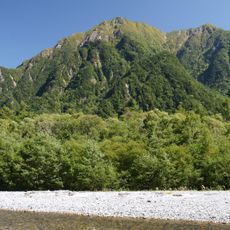
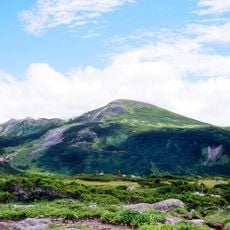
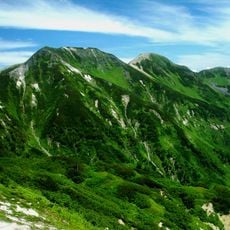
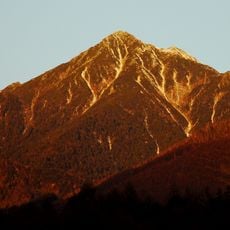
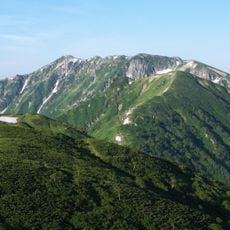
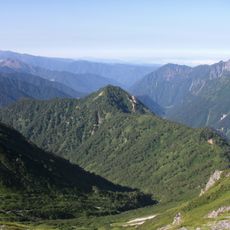
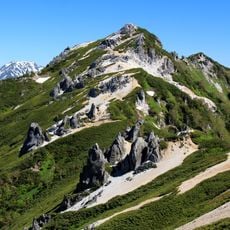
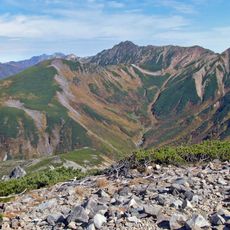
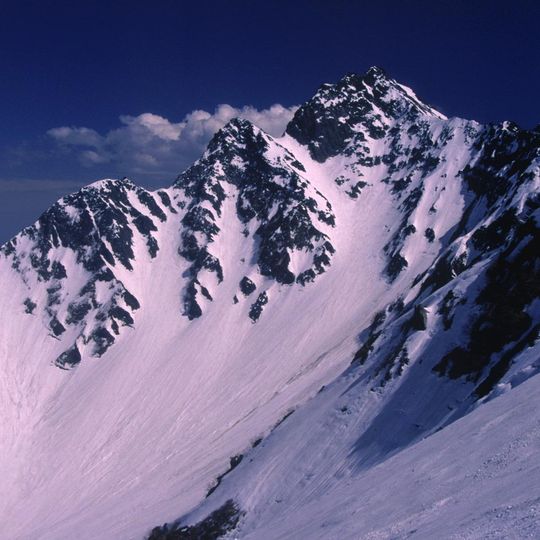
Karasawa Cirque is a glacial basin roughly 2 kilometers across, situated beneath Mount Hotakadake in the Northern Japanese Alps. The site sits around 2300 meters in elevation and displays clear signs of past glacier activity through steep rock walls and rocky debris fields.
The cirque formed through two distinct glacier phases identified by geographer Tomoya Iozawa: the Yokoo Glacier around 60,000 years ago and the Karasawa Glacier around 20,000 years ago. This research revealed how the mountain landscape changed across different climate periods.
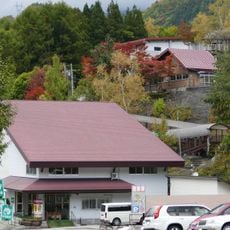
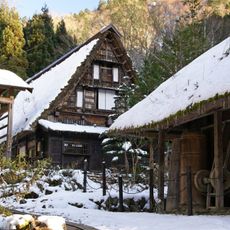
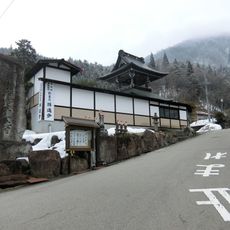
The mountain huts here preserve Japanese alpine traditions by providing shelter and shared meals to climbers. The way visitors gather for food and rest creates a sense of community among people from different parts of the country.
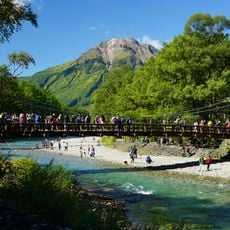
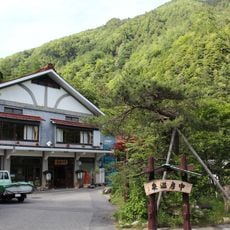
Access comes from Kamikochi Bus Terminal along a hiking route covering roughly 30 kilometers, normally taking two days. Along the way, hikers pass several established stations like Myojinkan and Tokusawa-en where they can find lodging and supplies.
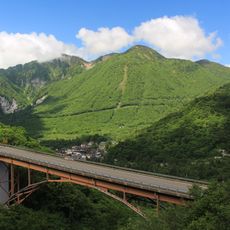
Meltwater from the cirque feeds the Azusa River, which merges with the Sai River and eventually becomes Japan's longest waterway. This water connection ties the high mountain basin to the country's broader river system.
The community of curious travelers
AroundUs brings together thousands of curated places, local tips, and hidden gems, enriched daily by 91,999 contributors worldwide.