Mt. Kasagatake, Mountain summit in Gifu Prefecture, Japan
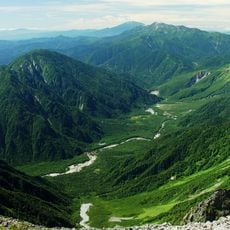
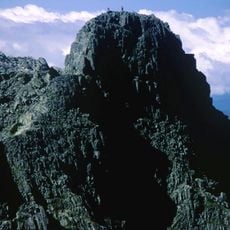
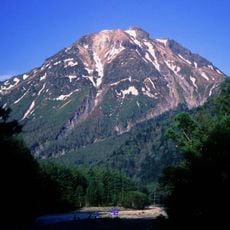
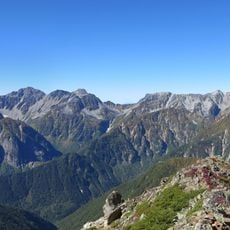
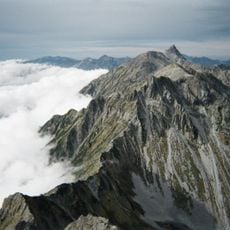
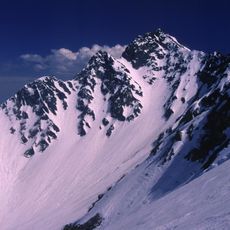
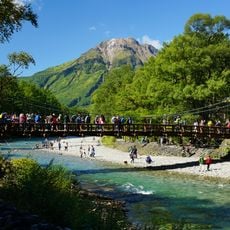
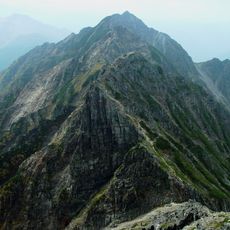
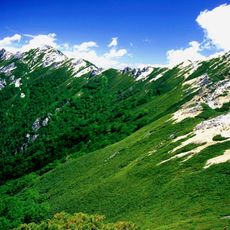
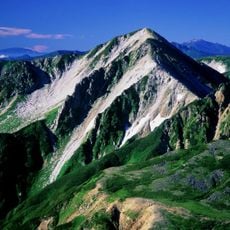
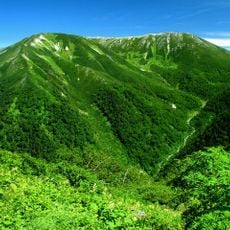
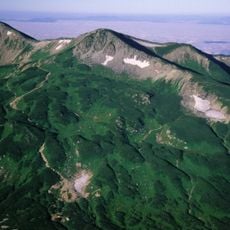
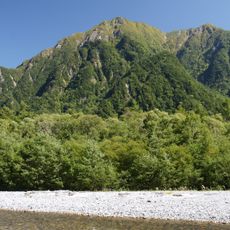
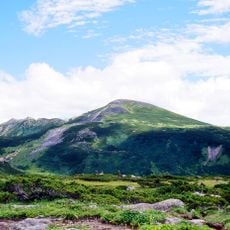
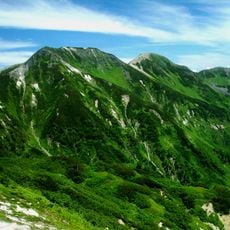
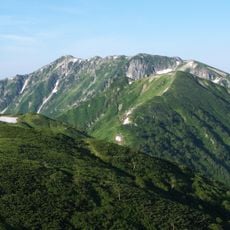
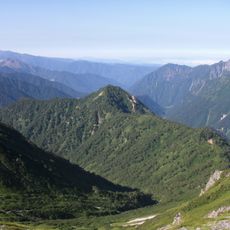
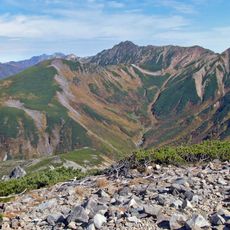
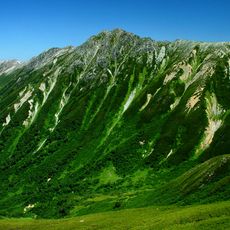
Mt. Kasagatake is a 2,898 m peak in the Hida Mountains of Gifu Prefecture, within Chūbu-Sangaku National Park. Its rounded, bowl-shaped uplift rises above a gentle ridgeline and resembles a conical kasa (umbrella), which gives the mountain its name. A mountain hut, Kasagatake Sansō, stands near the summit.
Enkū is credited with the first ascent in 1683, enshrining a Dainichi Nyorai at the summit. In 1823 the monk Haryū revived the mountain, and on 5 August 1824 he and villagers carried a bronze Amida Buddha statue to the top, where it remains in a stone shelter. Walter Weston climbed it on 2 August 1894, and in 1902 a second-order triangulation point was installed.
The name comes from the mountain's conical shape, which resembles a kasa, the traditional Japanese umbrella-hat. In Hida, a horse-shaped snow patch appears below the summit each spring, and tradition holds that its appearance marks the time for rice planting. A copper Amida Buddha statue, carried up in 1824, still stands in a stone shelter at the summit.
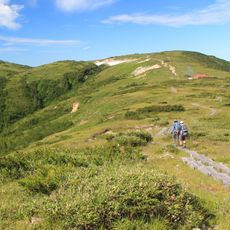
Three marked routes reach the summit: the Kasa-shin-dō from the south side of Wasabi-daira, the Kuriya valley route via Kuriya-no-atama down to Yumiori Onsen, and the long traverse from Sugoroku-dake via Yumiori-dake. The Kasa-shin-dō is the shortest but climbs steeply to Shakushi-daira; the Sugoroku traverse is the easiest. The Kuriya route crosses streams repeatedly, so avoid it after heavy rain.
In spring a horse-shaped snow patch appears directly below the summit, visible from the Takayama basin; in Hida it was long said that the time this snow figure shows marks the rice-planting season. The summit also holds a copper Amida Buddha statue, carried up in 1824 by the monk Baryū and villagers and still kept in a stone shelter.
The community of curious travelers
AroundUs brings together thousands of curated places, local tips, and hidden gems, enriched daily by 94,156 contributors worldwide.