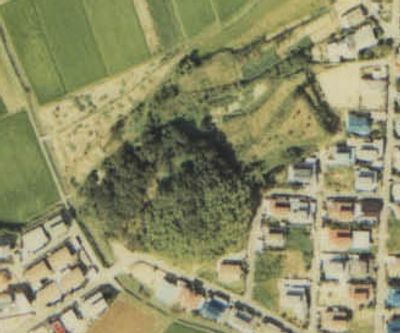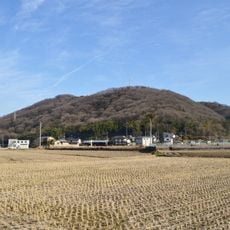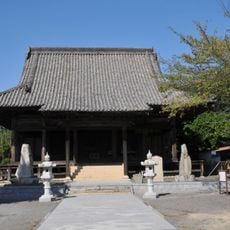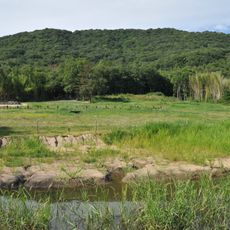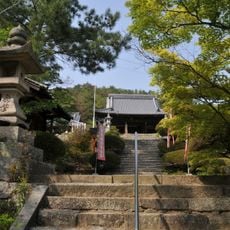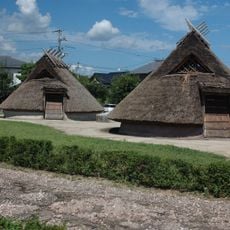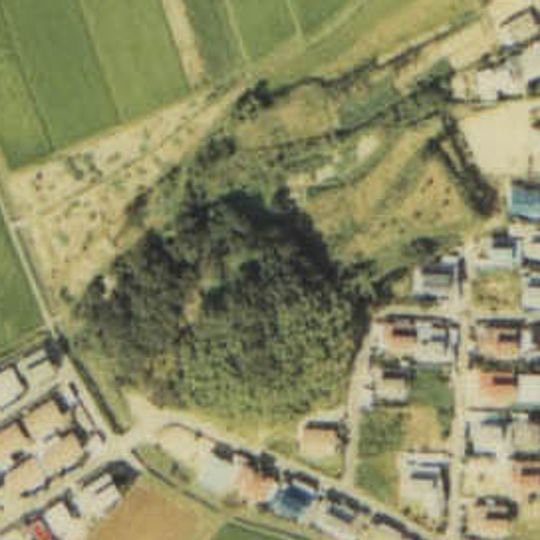
Urama Chausuyama Kofun, Keyhole-shaped burial mound in Higashi-ku, Okayama, Japan.
Urama Chausuyama Kofun is a keyhole-shaped burial mound in Okayama consisting of a rectangular front section and a circular rear portion. The site contains a stone burial chamber constructed from andesite slabs with a clay floor bearing red pigment.
Built in the late 3rd century, this tumulus ranks among the earliest large keyhole-shaped tombs of the ancient Kibi region. The burial chamber was emptied during the Meiji period, which affected the preservation of its original contents.
The tomb displays traditional clay figures and stone coverings that reflect burial customs of Japan's elite class during the Kofun period. Visitors can observe how these ritual objects reveal the social status and daily life of those buried here.
The site is open to the public and easy to explore, with the mound's keyhole shape visible from ground level. Wear comfortable shoes as the terrain can be uneven when walking across the raised earthwork.
Archaeological digs uncovered fragments of bronze mirrors and various tools despite the burial chamber being emptied during the Meiji period. These discoveries demonstrate that even disturbed graves can retain clues about the material culture of that time.
The community of curious travelers
AroundUs brings together thousands of curated places, local tips, and hidden gems, enriched daily by 91,843 contributors worldwide.