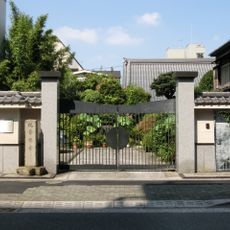
Hōon-ji, Buddhist temple in Sumida, Tokyo, Japan
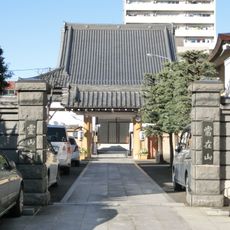
Hōon-ji is a Nichiren-shū temple at 1-26-16 Taihei in Sumida ward, Tokyo, with the mountain name Hirakawa-san and the honzon a Jikkai Mandala. It was founded in 1458 by Ōta Dōkan as a prayer temple for Edo Castle and was first called Honjū-in; it moved to its present site in 1695. The temple gives its name to the Hōon-ji line within the Konishi faction, and the Taihei district name is said to combine the "tai" of Ōta Dōkan with the "hei" of Hirakawa-san.
Founded in 1458 by Ōta Dōkan as a prayer temple for the protection of Edo Castle, it was first called Honjū-in. It was renamed Hōon-ji by Dōkan's grandson Ōta Suketaka to commemorate his father Hōonsai. After moving to Kanda-Yanagihara and then Yanaka-Shimizuchō, it settled in its present Taihei location in 1695, when it oversaw 20 sub-temples and 11 branch temples.
The main image is a Jikkai Mandala, not a Buddha statue. The temple belongs to the Komishi lineage of Nichiren-shū and is known for community events such as the Sumida River segaki, seven-herb porridge, and a September moon-viewing tea gathering. The neighbourhood name Taihei combines the first character of Ōta Dōkan's surname with that of the temple's mountain name, Hirakawa.
Hōon-ji is at 1-26-16 Taihei, Sumida ward, about a 12-minute walk from Kinshichō Station. The temple is the head of the Hōon-ji line within the Konishi faction of the Nichiren school, and its grounds include the sub-temples Chien-in, Yōun-in, Hōsen-in and Zenkō-in. Visitors should remove shoes before entering indoor spaces.
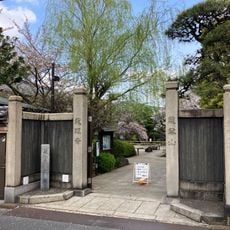
Although the temple stands in a densely built part of the city, the compound walls block out nearly all street noise once you step inside. This contrast between the busy streets outside and the stillness within is one of the first things visitors notice.
The community of curious travelers
AroundUs brings together thousands of curated places, local tips, and hidden gems, enriched daily by 93,747 contributors worldwide.