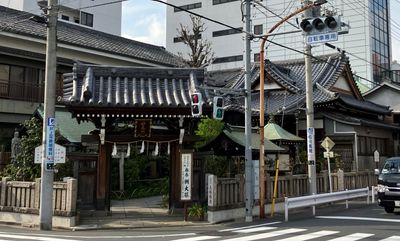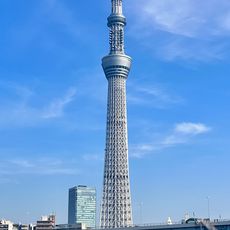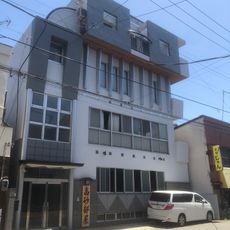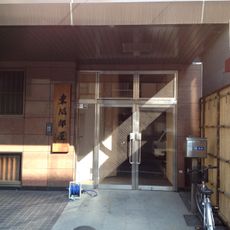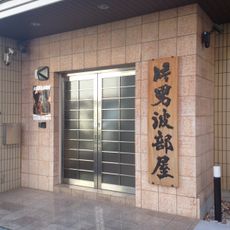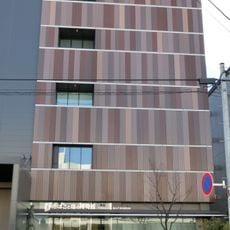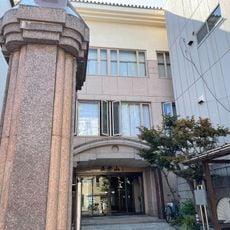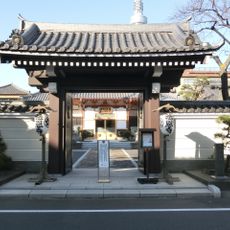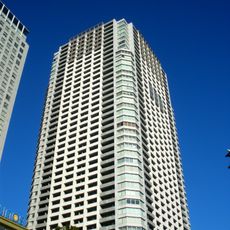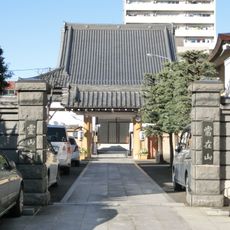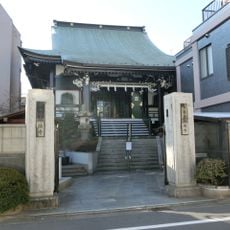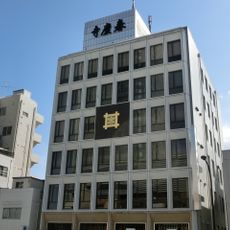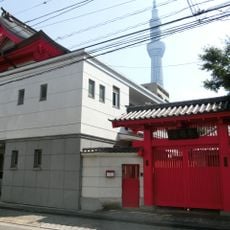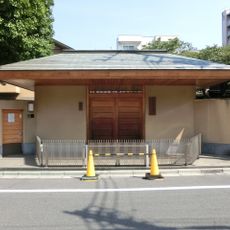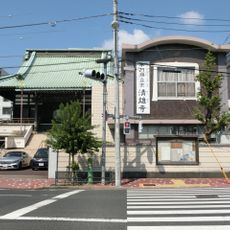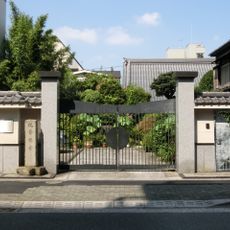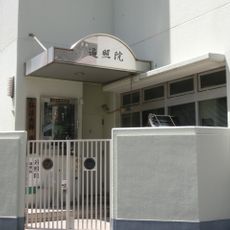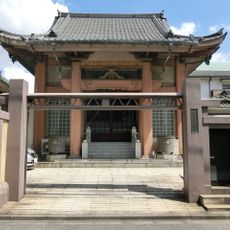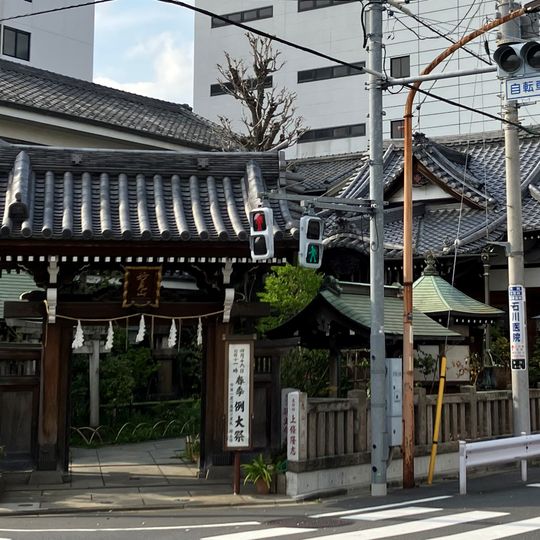
Nose Myōkenzan Betsuin, Buddhist temple in Sumida-ku, Tokyo, Japan.
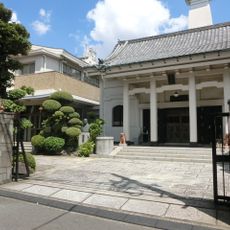
Nose Myōkenzan Betsuin is a Buddhist temple in Sumida Ward, Tokyo, featuring a main prayer hall with traditional architectural design. The structure stands amid urban surroundings while maintaining classical Buddhist elements in its overall layout and appearance.
The temple was established in 1774 and has remained a religious center through different periods of Tokyo's growth. Its survival demonstrates how local Buddhist institutions adapted to changing times in the city.
The temple is dedicated to Myōken, a protective deity in Buddhist practice, and draws people seeking spiritual connection within a modern city setting. The space reflects traditional design choices that offer visitors a sense of continuity with historical religious practices.
The temple is accessible via Honjo-Azumabashi Station on the Asakusa Line and JR Kinshicho Station, making arrival straightforward by public transport. Plan time to walk through the grounds and observe the main hall without rushing through your visit.
In February, monks participate in a cold water ritual lasting about thirty minutes as a spiritual practice. This lesser-known ceremony reflects training methods that continue to be part of monastic life at the temple.
The community of curious travelers
AroundUs brings together thousands of curated places, local tips, and hidden gems, enriched daily by 91,610 contributors worldwide.