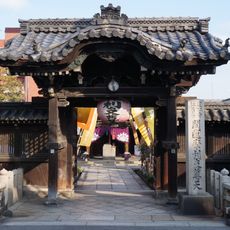
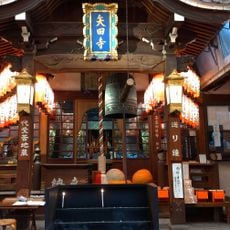
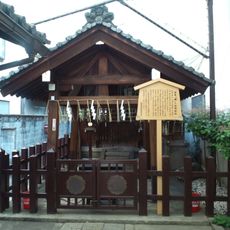
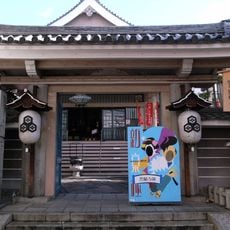
Hiyoke-tenmangū, Shinto shrine in Japan
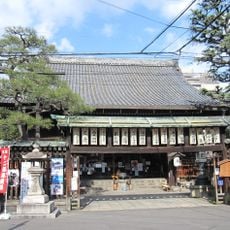
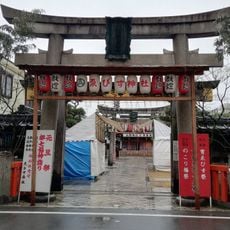
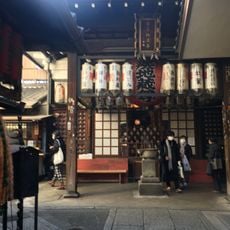
Hiyoke-tenmangū is a Tenmangū shrine in Shimogyō-ku, Kyoto, dedicated to Sugawara Michizane and formerly ranked as a village shrine (sonsha). It stands at 613 Sadayasu-mae-no-chō, a short walk from Hankyū Kyoto-Kawaramachi Station, and its name, meaning "fire-preventing Tenmangū", is used alongside the formal designation Tenmangū.
The shrine began in 1579 when an elderly priest carried a statue of Sugawara Michizane from Dazaifu in Kyushu to Kyoto and enshrined it near Rokujo-dori. In 1587 it became the tutelary shrine of Dainen-ji, and in 1597 Toyotomi Hideyoshi had both moved to the present site. Dainen-ji relocated to Gion in 1973, leaving the shrine in Shimogyo-ku.
The shrine's formal name is Tenmangū, but it is called Hiyoke Tenmangū because it escaped the fires that repeatedly swept Kyoto, including the 1864 Hamaguri Gate Incident, when only this area was spared. It is worshipped for both academic success and protection from fire. The grounds stand at 613 Sadayasu-maenochō, a short walk from Kyoto-Kawaramachi Station.
The shrine is easily reached on foot or by city bus, as there is no parking lot, and sits near Kyoto-Kawaramachi and Gion-Shijo stations. Its location near the popular shopping district makes it convenient to combine with visits to other nearby attractions during your time in the city.
The shrine's formal name is simply Tenmangū; the prefix Hiyoke ("fire prevention") was added by worshippers because the surrounding block escaped the 1864 Hamaguri Gate fire and earlier Kyoto conflagrations. The main hall stands on the site of the former Daikun-in temple, which moved to Gion in 1973.
The community of curious travelers
AroundUs brings together thousands of curated places, local tips, and hidden gems, enriched daily by 94,431 contributors worldwide.