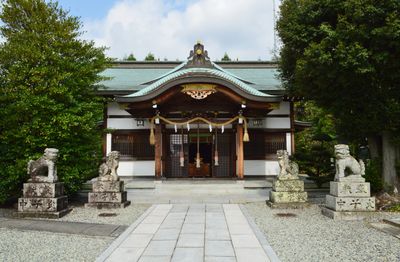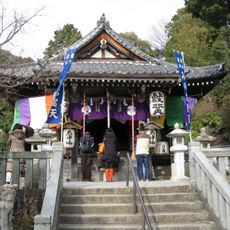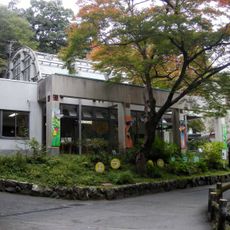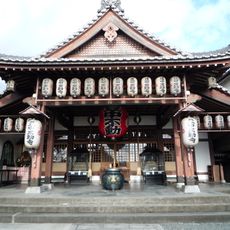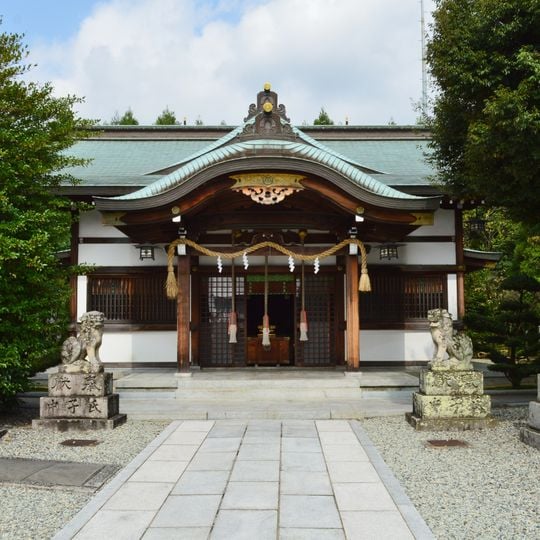
Inatsuhiko-jinja, Shinto shrine in Minō, Osaka Prefecture, Japan
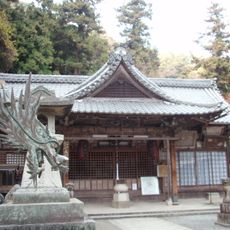
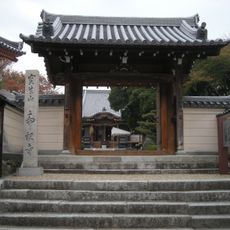
Inatsuhiko-jinja is a Shinto shrine in Ishimaru, Minō, Osaka Prefecture, ranked as a village shrine (sonsha) under the old shrine system and listed in the Engishiki Shrine Register as "Inatsuhiko-jinja, two seats." Its main deities are Inatsuhiko-no-Ōkami and Inatsuhime-no-Ōkami, with six other deities enshrined together, including Amaterasu and Tenjin. The grounds also contain a Tenmangū auxiliary shrine.
The shrine appears in the Engishiki register of 927 as "Inatsuhiko-jinja, two seats", making it a shikinaisha of Teshima District, Settsu Province. In 1907 the former Ōmiya Shrine of Hakushima and shrines from ten villages of the old Kayano area were merged into it. During the Tenshō era the shrine avoided suppression by adopting Gozu Tennō as its deity.
The name "Ina" in Inatsuhiko and Inatsuhime comes from the old regional name for the Ina River basin, written also as 猪名 or 為奈. The shrine was once called "Tennō" and venerated Gozu Tennō; according to the Settetsu Meisho Zue, during the Tenshō era (1573–1592) its priests escaped Oda Nobunaga's reforms by adopting that deity's name.
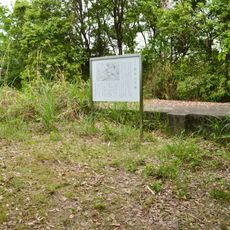
The shrine stands in Ishimaru, Minō, in the eastern part of the old Ina district; the Ina name itself referred to the Ina River basin. The grounds keep a Tenman-gū auxiliary shrine, and the former Ōmiya Shrine site in Hakushima, Minō, retains only a Yakushi hall. A large rock there, the Yōga or Iō rock, is said to mark where a deity descended.
The shrine's name appears in the Engishiki register of 927 as "Inatsuhiko-jinja, two seats", the two deities Inatsuhiko and Inatsuhime. Inatsuhime was moved here in 1907 from the former Ōmiya Shrine in Hakushima, Minō, which was then abolished; only a Yakushi hall of its former Jingū-ji remains at the site.
The community of curious travelers
AroundUs brings together thousands of curated places, local tips, and hidden gems, enriched daily by 94,051 contributors worldwide.